














Commercial container gateways are abandoning traditional static tariff schedules in favor of real-time pricing models to manage terminal bottlenecks. As mega-vessel cascading and unpredictable liner arrival windows intensify quayside congestion, port authorities are deploying dynamic port pricing mechanisms to balance traffic peaks. By indexing berthing fees, container dwell charges, and gate appointment tolls directly to asset utilization levels, terminal operators are reshaping carrier behavior and truck dispatching habits across global freight corridors.
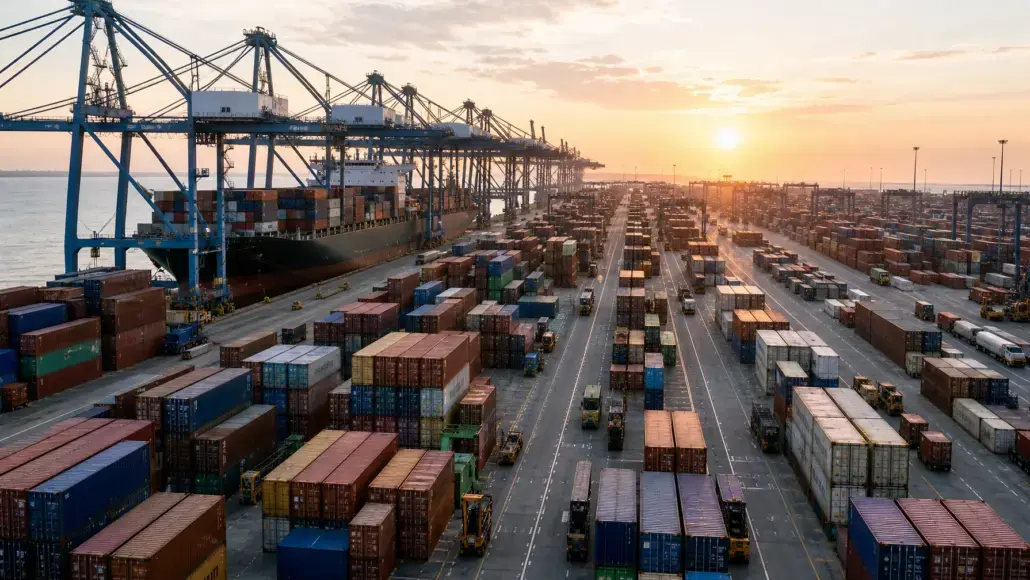
The operational reality facing port directors has shifted dramatically. Container terminals routinely alternate between severe landside congestion and periods of quayside inactivity. When multiple ultra-large container vessels arrive simultaneously, gantry crane capacity saturates, container yards exceed their optimal 80 percent utilization threshold, and surrounding road networks grind to a halt. Flat tariff structures established once per fiscal year provide zero financial incentive for shipping lines or motor carriers to avoid peak operating windows. Dynamic port pricing rectifies this market failure by applying price signals directly to scarce terminal capacity.
Structural Drivers of Marine Terminal Congestion
Managing marine terminal capacity has become substantially more complex as ocean alliances deploy vessels exceeding 20,000 twenty-foot equivalent units. These massive ships do not discharge containers in an even, steady stream. Instead, each vessel call generates an immense tidal wave of container handoffs within a narrow 48-hour window, overwhelming yard cranes and truck gates.
Several compounding operational factors have accelerated terminal gridlock:
- Carrier schedule unreliability, with global on-time liner performance fluctuating around 52 percent throughout 2025, triggering unpredictable vessel bunching.
- Extended import container dwell times in terminal yards, where beneficial cargo owners utilize marine terminal acreage as inexpensive temporary storage.
- Concentrated drayage truck arrivals during morning gate openings, creating vehicle queues that spill over into urban transit corridors.
- Limited spatial expansion potential at urbanized gateway ports, requiring operators to extract higher container throughput from existing quay footprints.
- Extreme weather events and maritime choke point diversions that disrupt vessel arrival sequences and compress regional call calendars.
When container yard density surpasses 85 percent, terminal productivity plummets. Yard cranes must perform multiple unstacking moves to retrieve a single import box, ballooning operating expenses and lengthening truck turn times.
Pricing Mechanisms and Algorithmic Tariff Models
To restore operational fluidity, terminal operators use dynamic port pricing structures that adjust charges across three critical touchpoints: the vessel berth, the container storage yard, and the landside truck gate. On the quayside, dynamic berth pricing charges variable mooring tariffs based on pre-booked arrival punctuality and terminal occupancy. Vessels arriving precisely within their scheduled slot enjoy discounted pilotage and line-handling fees, while carriers arriving unannounced during peak hours incur premium congestion surcharges.
In the storage yard, tiered dwell-time pricing escalates exponentially when containers linger beyond allowable free time. Rather than charging a flat daily demurrage rate, progressive algorithms double the daily storage penalty after four days, tripling it after seven days. This steep financial gradient compels cargo owners to clear import shipments rapidly, freeing valuable yard slots for outbound export staging and transshipment operations.
Landside gates have witnessed the most granular implementation of dynamic tariffs through variable truck appointment systems. Similar to congestion pricing on urban toll roads, port authorities levy higher gate access fees during weekday peak hours from eight in the morning until four in the afternoon. Conversely, motor carriers accessing terminals during evening shifts, night hours, and weekend gates receive substantial toll rebates or fee waivers.
Real-World Deployments Across Major Gateways
Leading global maritime hubs have demonstrated measurable productivity gains following dynamic pricing deployments. In Southern California, the Ports of Los Angeles and Long Beach processed record cargo volumes through 2025 by refining variable traffic mitigation fees, shifting over 40 percent of total drayage activity into off-peak night and weekend time slots. The resulting reduction in daytime highway idling lowered regional truck emissions while shortening average turn times inside terminal gates to under 42 minutes.
In Europe, the Port of Rotterdam and the Port of Antwerp-Bruges have linked variable port dues to digital slot reservation platforms. Ocean carriers booking container barge and feeder connections through centralized traffic platforms receive dynamic discounts when their feeder schedules coordinate with deep-sea discharge windows. This system discourages opportunistic vessel berthing and balances quay crane workloads across seven-day operating cycles.
Asian transshipment hubs have adopted comparable approaches tailored to intense feeder traffic. The Maritime and Port Authority of Singapore employs digital berth allocation algorithms that reward carriers adhering to just-in-time arrival speeds with preferential handling tariffs, reducing anchorage waiting times and fuel burn in coastal approaches.
Gate Slot Allocation and Landside Traffic Balancing
Landside freight logistics requires careful coordination between terminal operators, drayage motor carriers, and warehousing facilities. Freight forwarders and trucking companies often resist variable gate fees if inland distribution centers refuse to accept nighttime cargo deliveries. Successful dynamic port pricing programs therefore require commercial alignment across the broader regional supply chain.
Financial incentives alone cannot resolve physical yard gridlock unless integrated with automated infrastructure, where Smart Port Systems Accelerate Industrial Goods Transit by synchronizing quayside cranes with hinterland rail and truck appointments. When pricing models operate in tandem with automated gate cameras and optical character recognition portals, truck drivers move through terminal entrances in seconds rather than waiting in administrative queues.
Furthermore, dynamic tariffs incentivize logistics providers to invest in off-dock container yards and inland container depots. Shippers avoid terminal congestion surcharges by transferring containers straight from the quay to inland staging hubs, where cargo sorting occurs outside the congested port perimeter. Inland rail shuttles connecting directly with marine berths allow cargo owners to bypass highway gate surcharges entirely while securing lower evening freight transfer rates.
Commercial Governance and Algorithmic Transparency
Transitioning to dynamic port pricing presents significant legal, commercial, and regulatory complexities. Public port authorities must maintain non-discriminatory access rules to prevent larger carrier alliances from monopolizing discounted off-peak slots at the expense of independent regional operators. Transparency in how pricing algorithms calculate congestion surcharges is vital to maintain trust among shippers, carriers, and freight intermediaries.
Regulatory bodies such as the United States Federal Maritime Commission have established rigorous audit standards for container demurrage and dwell fees, requiring terminal operators to prove that variable storage charges genuinely incentivize cargo movement rather than functioning as punitive revenue mechanisms. Terminal operators satisfy these regulatory benchmarks by publishing real-time capacity metrics and clear pricing tiers across accessible public digital dashboards.
Looking forward, dynamic pricing models will increasingly incorporate environmental performance metrics alongside capacity utilization. Ports are already structuring green tariff rebates that combine off-peak slot incentives with carbon-reduction rewards for ships operating on alternative fuels or connecting to shoreside electric grids. By aligning commercial pricing incentives with physical capacity constraints, terminal operators secure the operational resilience required to handle volatile global trade flows.
