










Industrial cargo owners and logistics coordinators are shifting sustained freight volumes from saturated highway networks to coastal maritime corridors. The expansion of regional short sea shipping is transforming supply chain design across Europe, East Asia, and the Mediterranean basin. Growing landside truck driver shortages, highway toll escalations, and strict emissions penalties have made waterborne coastal transit an economically compelling alternative for heavy industrial freight and containerized goods.
Recent transport data illustrates the scale of this maritime pivot. European coastal shipping volumes reached 1.85 billion tonnes entering 2025, with short sea container movements accounting for nearly 25 percent of all regional box traffic in the Mediterranean alone. Shippers moving automotive components, construction materials, chemicals, and retail inventory across regional borders increasingly view coastal water transport as a dependable buffer against highway gridlock and border crossing delays.
Regulatory Pressures and Decarbonization Mandates
Stricter environmental regulations serve as the primary catalyst behind this maritime modal shift. The phased inclusion of maritime transport in the European Union Emissions Trading System entered its second compliance phase in 2025, covering 70 percent of verified vessel emissions before reaching 100 percent in 2026. Simultaneously, the FuelEU Maritime regulation took effect in January 2025, mandating a 2 percent reduction in the greenhouse gas intensity of shipboard energy, scaling toward a 6 percent cut by 2030.
Coastal ship operators face distinct compliance calculations compared to deep-sea container lines. Because short-voyage feeder vessels spend significant time maneuvering near populated coastlines and berthed in shallow harbors, their operational profiles favor rapid decarbonization solutions. Operators have responded by ordering specialized dual-fuel battery hybrid feeder vessels, installing shore-power connections, and bunkering bio-methane. These fleet upgrades allow regional short sea shipping providers to offer verified low-carbon transport corridors to multinational manufacturers that must report their Scope 3 freight emissions under mandatory corporate sustainability directives.
Infrastructure Modernization and Fleet Innovation
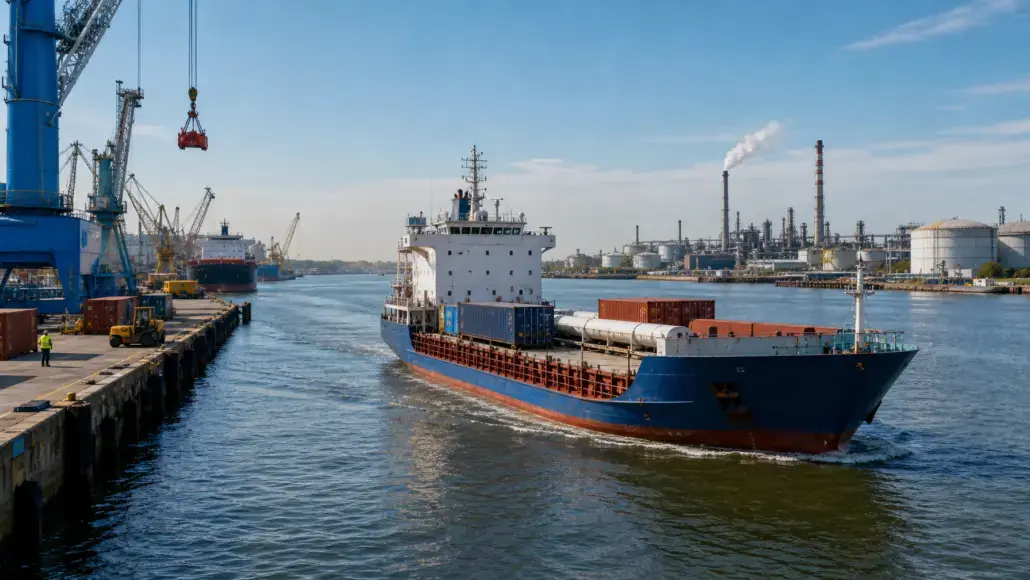
Operating modern coastal freight networks requires vessels capable of navigating tight navigational channels, shallow river estuaries, and secondary berths that lack deep-sea gantry cranes. Naval architects and shipyard engineers have deployed innovative ship configurations tailored specifically for regional short sea shipping routes:
- Geared coastal container vessels equipped with onboard electric cranes capable of serving regional secondary ports without heavy shore-based lifting equipment.
- Battery-hybrid and plug-in electric propulsion systems engineered for predictable port-to-port turnaround schedules under 300 nautical miles.
- Optimized shallow-draft hulls designed to maintain stability in restricted tidal channels while maximizing container stowage on weather decks.
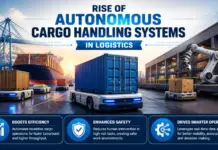
- Automated cargo securing systems and roll-on roll-off ramps that compress turnaround cycles down to under four hours per port call.
- Integrated bow thrusters and dynamic positioning controls that permit safe docking in adverse coastal weather without tug assistance.
These technical improvements translate directly into operational predictability. Where cross-border trucking operations often suffer from unpredictability caused by highway construction, driver rest mandates, and customs inspections, scheduled coastal feeders maintain fixed departure frequencies that integrate directly into manufacturing assembly schedules.
Secondary Ports and Feeder Terminal Pressures
The revival of regional waterborne transit has redirected substantial cargo flows into smaller secondary and tertiary ports. Terminals in locations such as Bilbao, Gdynia, Zeebrugge, and Izmir have reported record transshipment figures as regional feeder networks disperse boxes originating from primary global hub ports. This redistribution prevents excessive container dwell times at mega-terminals while bringing freight closer to final industrial distribution centers.
However, rapid traffic growth poses distinct logistical challenges for regional port authorities. Smaller coastal terminals often possess limited quay lengths and constrained yard storage buffers, making them vulnerable to sudden vessel bunching during bad weather. As feeder vessel traffic concentrates at regional coastal quays, terminal authorities increasingly evaluate how Dynamic Port Pricing Manage Congestion and Peak Demand across strained berth windows. By adjusting tariff schedules based on real-time berth utilization, port directors encourage feeder lines to space their arrival slots and utilize off-peak nighttime handling hours.
Similar dynamics have emerged across Southeast Asian archipelago routes, where feeder vessels connecting industrial nodes in Vietnam, Malaysia, and Indonesia must negotiate congested estuarine channels. Port authorities in these corridors have begun coordinating common digital dispatch systems to ensure that short-sea arrivals do not clash with ultra-large container vessels competing for pilotage services and tug allocations.
Economic Drivers and Total Cost Calculations
From a commercial procurement perspective, the decision to migrate freight from road to sea hinges on total logistics cost analysis rather than transit time alone. While long-distance road transport delivers faster door-to-door transit over distances under 400 kilometers, regional short sea shipping establishes clear cost advantages beyond the 600-kilometer threshold. A single modern 1,200-TEU coastal feeder vessel removes approximately 800 heavy diesel trucks from highway corridors, lowering labor costs per container kilometer by up to 35 percent.
Rising road haulage expenses continue to widen this cost differential. European logistics operators reported an average 8 percent increase in long-haul trucking rates throughout 2025, driven by diesel price volatility, mandatory driver rest regulations, and expanded road tolling systems such as Germany’s carbon-indexed truck levy. In contrast, coastal maritime freight rates have displayed greater pricing stability over multi-year logistics contracts, allowing industrial shippers to hedge against landside transport inflation.
Cargo density also favors maritime transport. Heavy industrial commodities such as steel coils, timber, paper reels, and bulk liquids quickly breach maximum highway axle weight limits, requiring multiple trucks to move what a single coastal vessel can stow effortlessly. By packaging these dense cargoes into short-sea containers or specialized roll-trailers, industrial manufacturers cut their packaging, handling, and insurance expenses.
Hinterland Connectivity and Multimodal Synchronization
To sustain its market gains against highway transport, regional short sea shipping must integrate seamlessly with inland waterways, electrified rail corridors, and dry port facilities. Leading freight forwarders now structure synchronized multimodal bundles where coastal sea legs connect directly with scheduled inland freight trains. This approach eliminates intermediate storage steps and minimizes container handling fees.
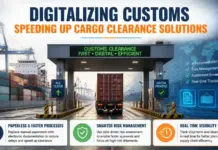
Digital port community systems reinforce this synchronization by broadcasting arrival notices, customs clearances, and gate release authorizations prior to vessel docking. Manufacturing clients track their containers across maritime legs with the same visibility traditionally associated with road freight telematics. Customs authorities have also accelerated pre-arrival clearance procedures for intra-regional trade, cutting documentary administrative overhead for certified economic operators.
By consolidating high-volume freight into scheduled coastal rotations, regional short sea shipping preserves highway capacity for time-sensitive local deliveries. Port developers and national transport ministries increasingly treat coastal waterways as blue highways that require minimal land acquisition while delivering immense throughput capacity. Continued public-private investment in automated feeder berths and zero-emission coastal tonnage ensures that waterborne freight will remain a cornerstone of regional commercial trade for decades to come.
