








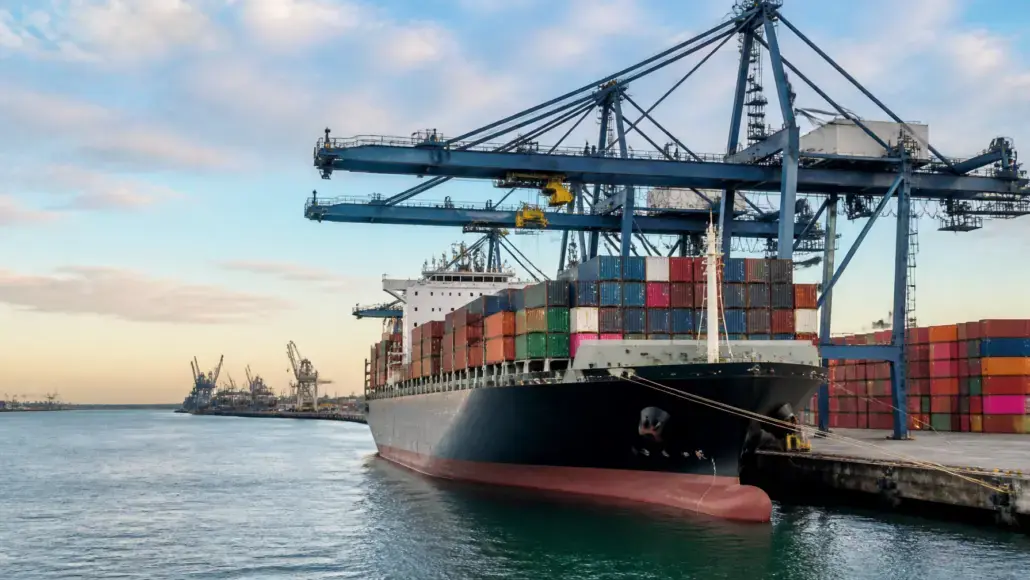
The invention of the shipping container in the mid-20th century was perhaps the most significant catalyst for the modern era of globalization. By standardizing the way goods are moved, containerization reduced the cost of transport and transformed the world into a single, interconnected marketplace. Today, we are witnessing a second revolution in this space, driven by the need for greater scale, speed, and sustainability. These trends in containerization are fundamentally reshaping how ports are designed and managed. From the rise of ultra-large container vessels to the introduction of smart, sensor-equipped containers, the industry is entering a new phase of maturity where efficiency is defined by digital integration as much as physical capacity.
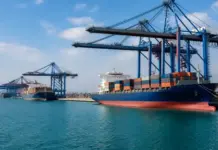
The most visible trend in recent years has been the dramatic increase in vessel size. Modern container ships can carry over 24,000 TEUs (Twenty-foot Equivalent Units), a scale that was unimaginable only a decade ago. While these giants offer significant economies of scale for shipping lines, they place immense pressure on port infrastructure. Trends in containerization dictate that ports must invest in deeper berths, larger cranes, and more efficient yard management systems to handle the vessel surges that occur when these massive ships arrive. Transport Advancement notes that this shift toward mega-vessels is leading to a hub and spoke model where a few elite ports handle the largest ships, while smaller regional ports serve as secondary distributors.
Optimizing Port Efficiency through Automation and Digitalization
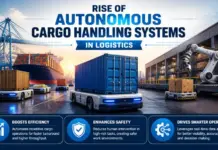
To keep pace with the increasing volume of cargo, ports are turning to automation as a primary driver of efficiency. Automated Stacking Cranes (ASCs) and Automated Guided Vehicles (AGVs) are now common sights in the world’s most advanced terminals. These machines can operate with a level of precision and consistency that human operators cannot match, working around the clock to minimize the time a ship spends at the berth. Trends in containerization are pushing the industry toward the lights-out terminal, where the movement of containers from the ship to the gate is entirely managed by software. This reduction in manual handling not only speeds up operations but also significantly improves safety by removing workers from high-risk environments.
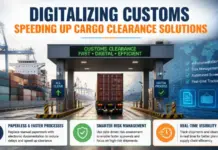
Digitalization is the invisible hand that coordinates these automated systems. The latest shipping trends emphasize the importance of visibility across the entire supply chain. Smart containers, equipped with GPS and environmental sensors, allow cargo owners to track the location and condition of their goods in real-time. For port management, this data is invaluable. By knowing exactly when a container will arrive at the gate, port operators can optimize their yard layouts and reduce the number of re-handles—the inefficient movement of containers to reach one at the bottom of a stack. Trends in containerization are thus turning the port from a simple storage facility into a dynamic, data-driven logistics hub.
The Impact of Sustainability and Green Containerization
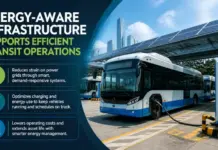
As the environmental impact of global trade comes under closer scrutiny, sustainability has emerged as one of the most critical trends in containerization. The shipping industry is responsible for a significant portion of global carbon emissions, and ports are often focal points for local air and water pollution. In response, we are seeing the rise of green containerization, which focuses on reducing the carbon footprint of the entire logistics chain. This includes the electrification of port equipment, the use of shore-side power (cold ironing) to allow ships to turn off their engines while in port, and the development of alternative fuels like ammonia and green methanol.
The management of empty containers is another area where sustainability and efficiency intersect. It is estimated that one in every three containers moved globally is empty, representing a massive waste of fuel and space. Trends in containerization are encouraging the use of foldable containers and digital platforms that facilitate container sharing between different shipping lines. By reducing the deadweight of empty moves, the industry can improve its overall efficiency while also meeting its climate goals. This shift toward a more circular and collaborative approach to container management is a key indicator of the industry’s evolving priorities.
Challenges in Scaling Next-Generation Container Logistics
Despite the clear benefits, the transition to more advanced container logistics is fraught with challenges. One of the primary hurdles is the massive capital investment required for automation and infrastructure upgrades. For many smaller ports, the cost of installing automated cranes or deepening berths is simply out of reach, potentially creating a two-tier global port system. Furthermore, the rapid pace of technological change means that investments made today can quickly become obsolete. Latest trends in containerization require ports to be incredibly agile, constantly re-evaluating their strategies and technologies to stay competitive.
There is also the significant challenge of labor relations. Automation inevitably changes the nature of work in the port, leading to concerns about job displacement and the need for large-scale retraining programs. Managing this transition requires a careful and collaborative approach between port authorities, shipping lines, and labor unions. Ensuring that the benefits of trends in containerization are shared fairly among all stakeholders is critical for maintaining social stability and industrial peace. Addressing these social and economic challenges is just as important as the technical engineering of the next-generation container terminal.
AI and Blockchain in Cargo Management
Looking ahead, the next frontier for trends in containerization will be the widespread adoption of artificial intelligence and blockchain. AI can be used to predict vessel arrivals and cargo volumes with high accuracy, allowing ports to allocate their labor and equipment more effectively. Meanwhile, blockchain technology offers a secure and transparent way to manage the complex documentation involved in international trade. By replacing paper-based bills of lading with digital records, the industry can eliminate the delays and errors that often plague cargo management.
The synergy between these technologies will create a more resilient and agile global supply chain. Trends in containerization are no longer just about the physical box; they are about the digital ecosystem that surrounds it. As ports continue to adapt to these changes, the most successful will be those that can balance the physical demands of larger ships with the digital requirements of a modern, data-driven economy. The container remains the king of global trade, but its future depends on its ability to become smarter, greener, and more connected than ever before. This evolution is the cornerstone of a sustainable global marketplace. It represents a shift from a focus on individual assets to a focus on the entire integrated system. By embracing the digital and physical trends in containerization, the maritime industry is ensuring its relevance and resilience in a world that demands both economic performance and environmental responsibility.
Future Projections: The Intermodal Container of 2050
As we look toward the middle of the century, the Trends in Containerization will likely move toward the intermodal intelligent container. This next generation of the shipping box will be a self-powered, climate-controlled, and fully autonomous unit that can navigate its own way through the logistics chain. It will communicate directly with autonomous trains, ships, and trucks, coordinating its own loading and unloading based on real-time market demand. This level of autonomy will eliminate the need for much of the traditional port infrastructure, as containers move seamlessly from one mode of transport to another in a continuous, frictionless flow.
Furthermore, the rise of 3D printing and localized manufacturing may change the types of goods being containerized. Instead of finished products, we may see more raw material containers and specialized units for high-tech components. The trends in containerization will adapt to these shifts, with the development of modular containers that can be easily reconfigured for different types of cargo. This flexibility will be essential for managing the dynamic and unpredictable nature of future global trade. By staying ahead of these trends, ports can ensure that they remain the vital hubs of the global economy, regardless of how the physical nature of trade changes. The container remains the primary vessel of progress. Transport Advancement believes that by continuing to innovate at the intersection of technology and physical logistics, we are ensuring that the global supply chain remains as robust as it is efficient. The journey of the shipping container is far from over. In fact, its most intelligent and sustainable chapters are just beginning to be written. This evolution will define the economic geography of the 21st century.
