








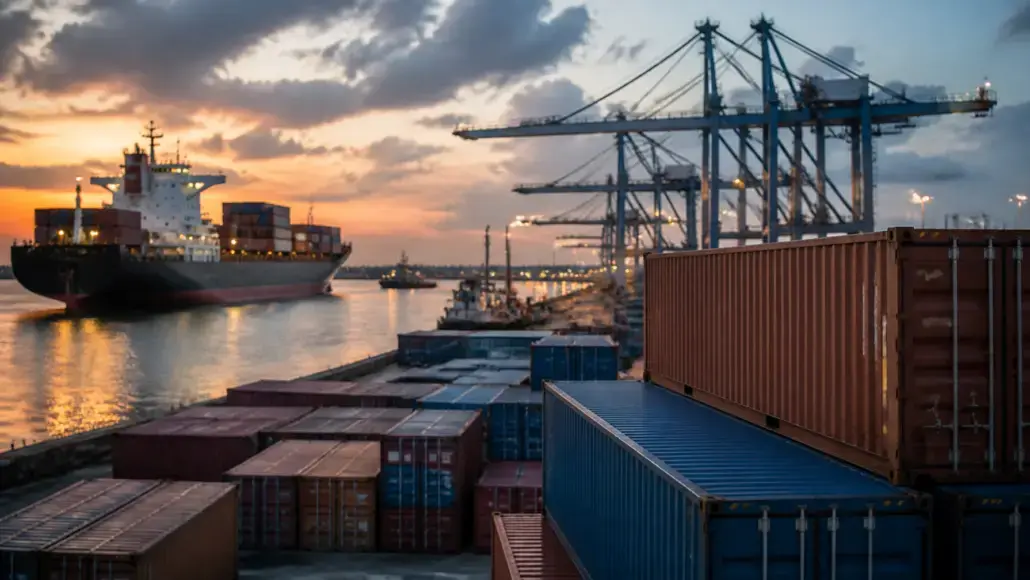
In the modern global economy, where just-in-time manufacturing and e-commerce dominate, the ability to know exactly where a shipment is at any given moment has moved from a luxury to a fundamental requirement. The global logistics network is an incredibly complex web of ships, trucks, trains, and planes, and any disruption in one part of the chain can have cascading effects. Advanced cargo tracking systems have emerged as the primary solution to this complexity, providing the eyes and ears that companies need to manage their operations with confidence. Transport Advancement notes that by leveraging a combination of satellite technology, IoT sensors, and data analytics, these systems are transforming logistics from a black box into a transparent and predictable process.
The shift toward supply chain efficiency is driven by the realization that data is the new oil. In the past, cargo visibility was limited to checkpoints where a barcode was scanned at a warehouse or a port. Between these points, the cargo was essentially invisible. Advanced cargo tracking systems fill these gaps by providing continuous, real-time data on the location, speed, and condition of a shipment. Whether it is a container of electronics crossing the Pacific or a pallet of temperature-sensitive vaccines on a truck, stakeholders can now monitor their assets with a level of detail that ensures quality and reliability at every step.
Real-Time Data and the Rise of IoT in Logistics Management
The backbone of modern tracking systems is the Internet of Things (IoT). Low-power sensors attached to containers or individual pallets can transmit data via cellular, satellite, or Bluetooth networks. These sensors do more than just report a GPS coordinate; they provide a wealth of environmental information. For instance, advanced cargo tracking systems can monitor the temperature, humidity, and light exposure inside a container. If a refrigeration unit fails or a door is opened unexpectedly, an alert is immediately sent to the logistics manager. This capability is critical for the food and pharmaceutical industries, where maintaining the cold chain is essential for product safety.
The integration of real-time data into logistics management software allows for a more proactive approach to problem-solving. In the past, a delay in a shipment was often only discovered when the truck didn’t show up at the loading dock. With advanced cargo tracking systems, managers are alerted to potential delays—such as a port strike or a major storm—long before they impact the final delivery. This allows companies to re-route their shipments or adjust their production schedules, minimizing the impact on their customers. This agility is the true hallmark of supply chain efficiency in the 21st century, where the ability to adapt to change is a key competitive advantage.
Enhancing Cargo Visibility through Blockchain and Cloud Computing
While sensors provide the raw data, cloud computing and blockchain technology provide the infrastructure to store and share it securely. One of the greatest challenges in global logistics is the sheer number of parties involved in a single shipment—exporters, importers, carriers, customs agents, and banks. Advanced cargo tracking systems use cloud-based platforms to create a single source of truth that all parties can access. This eliminates the need for endless emails and phone calls to track down a shipment’s status, significantly reducing the administrative burden on logistics teams.
Blockchain takes this a step further by providing an immutable record of every event in a shipment’s journey. Each time a container is loaded, scanned, or handed over to a new carrier, a block is added to the chain. This ensures that the shipment updates are accurate and cannot be tampered with, providing a high level of trust between all stakeholders. For industries where provenance and traceability are important—such as luxury goods or conflict-free minerals—advanced cargo tracking systems powered by blockchain is a game-changer. It provides a digital certificate of authenticity that follows the product from the factory floor to the end consumer.
Overcoming Technical and Logistical Hurdles in Tracking
Despite the clear benefits, the implementation of advanced cargo tracking systems is not without its challenges. One of the primary hurdles is the connectivity gap—areas of the world where cellular or satellite coverage is sparse. For a tracking system to be truly effective, it must provide 100% coverage, regardless of where the shipment is. Furthermore, the cost of the sensors and the data transmission can be a barrier for lower-value shipments. Advanced Cargo Tracking requires a careful cost-benefit analysis to determine which assets are worth the investment in high-fidelity tracking.
There is also the challenge of data standardization. With dozens of different tracking providers and software platforms in the market, ensuring that data can be shared seamlessly between different parties is a constant struggle. The industry is working toward common standards for IoT data, but progress is slow. Additionally, the security of the tracking data is a major concern, as it could be used by criminals to target high-value shipments. Ensuring that tracking systems are robust against cyberattacks is a top priority for logistics managers. Addressing these technical and security challenges is critical for the continued growth of the smart logistics industry.
The Future of Logistics: AI-Driven Predictive Tracking
As we look toward the future, the next evolution of advanced cargo tracking systems will be the transition from reactive to predictive analytics. By feeding historical tracking data into machine learning models, companies can predict future transit times with incredible accuracy. These models can take into account thousands of variables, from seasonal weather patterns to historical port congestion data. This allows for a more realistic assessment of supply chain efficiency, enabling companies to set better expectations with their customers and optimize their inventory levels.
Furthermore, the integration of tracking data with autonomous vehicles and drones will create a truly seamless logistics network. Imagine a world where a smart container talks to an autonomous truck, providing it with the most efficient route based on real-time traffic data, and then coordinates its own unloading at a robotic warehouse. Advanced cargo tracking systems is the foundational layer that makes this level of automation possible. By providing the essential data connection between the physical and digital worlds, these systems are ensuring that the global supply chain remains resilient, efficient, and ready for the challenges of tomorrow. The future of logistics is a journey of data. It is a path toward a more transparent, efficient, and resilient world where the location and condition of every asset is known at all times. By investing in Advanced Cargo Tracking, companies are not just improving their operations; they are building the essential infrastructure for a more connected and prosperous global society. The invisible chain is finally becoming visible.
The Role of Global Standards in Tracking Connectivity
For advanced cargo tracking systems to reach its full potential, the industry must overcome the challenge of data fragmentation. This requires the development of global standards for IoT connectivity and data exchange. Organizations like the Digital Container Shipping Association (DCSA) are leading the way, creating common protocols that allow different tracking systems to talk to each other. This level of interoperability is essential for creating a truly global web of visibility where a shipment can be tracked seamlessly as it moves between different carriers, ports, and warehouses. These standards are the glue that holds the digital supply chain together.
Furthermore, the integration of advanced cargo tracking systems with environmental reporting will become a major trend. Companies will use tracking data to calculate the precise carbon footprint of every shipment, providing consumers with the transparency they demand. This green visibility will allow businesses to optimize their logistics routes not just for speed and cost, but also for sustainability. Transport Advancement believes that by making the environmental impact of trade measurable and visible, advanced tracking is helping the global economy transition to a more responsible and low-carbon future. The data-driven supply chain is the only way to meet the challenges of the 21st century. High-fidelity tracking is the ultimate tool for both economic and ecological stewardship. It is the foundation of a new era of intelligent logistics where every move is calculated for maximum benefit and minimum harm. As the technology continues to mature, we can expect to see a world where the global supply chain is not just a network of assets, but a living, breathing ecosystem of data that powers the prosperity of all nations. The tracking revolution is just getting started.
