











Global trade relies on the seamless and secure movement of goods through a network of international ports that serve as the vital gateways of the modern economy. However, these massive hubs are also some of the most complex and vulnerable environments in the world. As threats evolve from traditional physical breaches to sophisticated cyberattacks and organized smuggling, the industry is forced to rethink its approach to protection. The future of port security is being defined by a transition from reactive measures to proactive, technology-driven strategies. Transport Advancement notes that by integrating artificial intelligence, autonomous systems, and advanced biometrics, ports are transforming into smart fortresses capable of identifying and neutralizing threats before they can disrupt the flow of commerce.
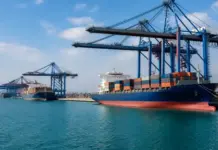
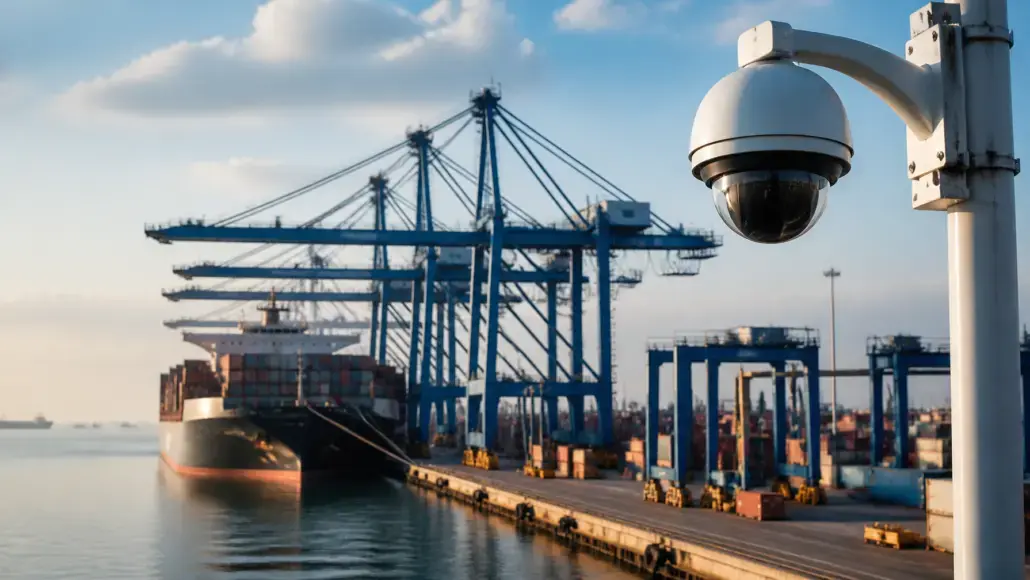
At the center of this transformation is the realization that human surveillance alone is no longer sufficient to manage the scale of modern maritime operations. A major international port can handle thousands of containers every day, each one a potential hiding place for contraband or a target for theft. The future of port security lies in the deployment of automated threat detection systems that can scan cargo and monitor perimeters with 24/7 consistency. These systems use a multi-layered approach, combining high-resolution thermal cameras, LiDAR, and acoustic sensors to create a comprehensive digital shield around the port’s critical infrastructure.
Advancing Threat Detection through AI and Autonomous Systems
The most significant shift in the future of port security is the integration of artificial intelligence into surveillance systems. Modern smart cameras do more than just record footage; they use computer vision to recognize suspicious patterns of behavior. For example, an AI system can identify a vehicle loitering near a restricted area or a person attempting to scale a fence, immediately alerting security personnel. This proactive risk management allows for a much faster response time, often preventing an incident from escalating. By reducing the reliance on human operators who may suffer from fatigue, AI ensures that no detail is overlooked in the quest to maintain a secure environment.
Furthermore, autonomous systems are playing an increasingly important role in patrolling both the land and water sides of port facilities. Unmanned Ground Vehicles (UGVs) and Unmanned Surface Vessels (USVs) can be deployed to monitor remote areas of the port that are difficult to reach by foot or vehicle. These robots are equipped with advanced sensors that can detect chemical, biological, radiological, or nuclear (CBRN) signatures, providing a critical layer of defense against high-impact threats. The future of port security is one where these autonomous sentries work in tandem with human teams, providing a constant presence that deters criminal activity and ensures the safety of port workers and cargo.
The Critical Role of Cybersecurity in Modern Port Operations
As ports become more digitally connected, the traditional focus on physical security is being challenged by the growing threat of cyber warfare. A successful attack on a port’s terminal operating system (TOS) could paralyze an entire supply chain, leading to billions of dollars in losses. The future of port security must, therefore, place an equal emphasis on cybersecurity. Protecting the digital infrastructure of a port requires a robust strategy that includes network segmentation, real-time threat monitoring, and the use of blockchain for secure data exchange. As maritime logistics becomes increasingly automated, the integrity of the data that drives these systems becomes the ultimate security priority.
The convergence of physical and digital security is a hallmark of modern security practices. For instance, the same biometric systems used to control physical access to a terminal can be used to secure digital logins for sensitive software. The future of port security involves creating a unified security posture where every asset—whether it is a physical container or a digital record—is tracked and protected within a single integrated framework. This holistic approach not only enhances security but also improves operational efficiency by reducing the friction caused by redundant security checks. In an era of just-in-time logistics, the ability to maintain security without slowing down trade is the ultimate competitive advantage.
Challenges and Ethical Constraints of Ubiquitous Surveillance
While the benefits are clear, the move toward a more technology-driven security environment also presents significant challenges. One of the primary concerns is the privacy of port workers and visitors. The use of facial recognition and other biometric tools requires a careful balance between the need for security and the right to privacy. The future of port security must involve clear ethical guidelines and transparent data management policies to ensure that these technologies are not misused. Furthermore, the high cost of implementing and maintaining these advanced systems can be a barrier for smaller ports in developing regions, leading to a security gap in the global network.
There is also the challenge of adversarial AI. As ports use AI for threat detection, criminal organizations may use their own AI systems to identify vulnerabilities or bypass security measures. The future of port security thus becomes a constant arms race between security teams and those who would seek to disrupt trade. This requires a commitment to continuous innovation and the sharing of intelligence across the global maritime community. Addressing these ethical and technical constraints is a critical part of the long-term strategic planning for any modern port authority.
Risk Management and Global Collaboration in Port Security
While technology provides the tools, the ultimate success of the future of port security depends on international cooperation and standardized security practices. Ports are not isolated islands; they are part of a global network where a vulnerability in one location can have ripple effects across the entire world. Organizations like the International Maritime Organization (IMO) and the World Customs Organization (WCO) are working to establish common frameworks for risk management and data sharing. By collaborating with international partners, port authorities can identify high-risk shipments long before they arrive at their destination, allowing for targeted inspections that do not impede legitimate trade.
Looking forward, the future of port security will likely see a move toward predictive security, where data analytics are used to anticipate threats based on geopolitical trends and historical patterns. By analyzing vast amounts of data from various sources—including satellite imagery, social media, and financial records—security agencies can stay one step ahead of adversaries. This intelligence-led approach, combined with the power of emerging technologies, will ensure that the world’s ports remain secure and resilient in the face of an ever-changing threat landscape. The safety of global trade depends on our ability to innovate as quickly as those who would seek to disrupt it. The fortress of tomorrow is built on data and digital intelligence. This digital resilience will be the primary differentiator between the ports that thrive and those that struggle in an increasingly volatile global landscape. By investing in the technologies and practices that define the future of port security, authorities are not just protecting cargo; they are safeguarding the very foundations of international commerce.
Global Collaboration and Unified Security Standards
The long-term effectiveness of the future of port security depends on the creation of a truly global and unified security framework. This involves not only the sharing of technological tools but also the harmonization of security protocols across different jurisdictions. A ship that is cleared at a secure smart port in Asia should be able to transition seamlessly to a similar port in Europe or the Americas without redundant and time-consuming checks. This level of international trust is built on transparent data sharing and a commitment to common standards, such as those promoted by the International Port Security Program.
Furthermore, the role of security as a service will likely emerge, where leading ports provide security monitoring and threat intelligence to smaller regional facilities. This collaborative model ensures that the global supply chain is only as strong as its strongest link, rather than its weakest. The future of port security is thus a collective endeavor that requires the active participation of governments, private terminal operators, and international bodies. Transport Advancement believes that by working together to build a secure and transparent maritime environment, we are ensuring that global trade can continue to drive prosperity and development for generations to come. The security of the port is the security of the world.
