














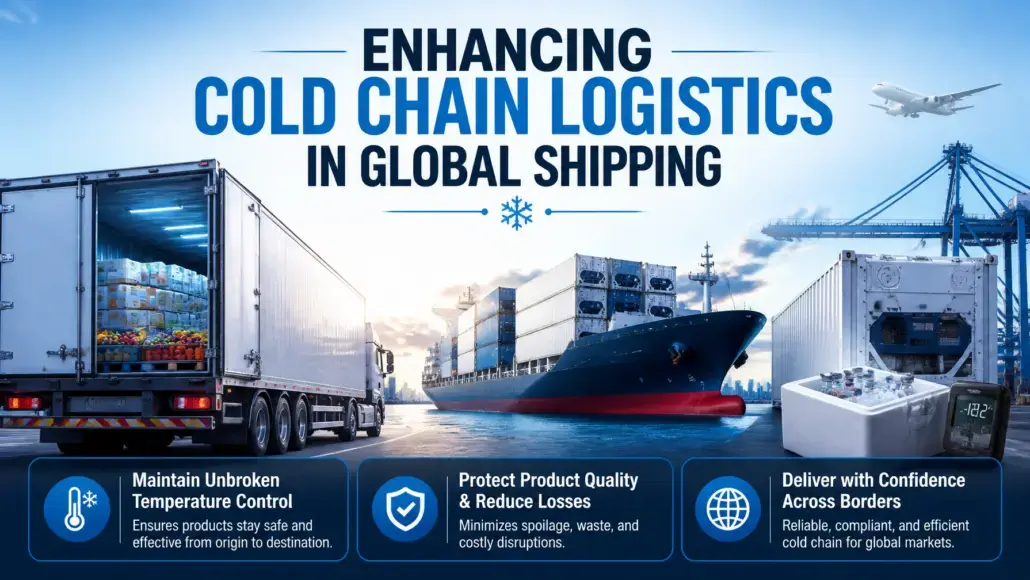
In the complex world of international commerce, few sectors are as demanding or as vital as the transportation of temperature-sensitive goods. Enhancing cold chain logistics in global shipping has become a primary focus for manufacturers, retailers, and logistics providers alike, as the demand for fresh food, life-saving pharmaceuticals, and high-tech chemicals continues to surge. Unlike standard cargo, products within the cold chain require a continuous, unbroken chain of refrigerated storage and transport from the point of origin to the final destination. Any lapse in temperature control, even for a short duration, can lead to total product loss, safety concerns, and significant financial setbacks. As global supply chains become longer and more complex, the industry is increasingly turning to advanced technologies and rigorous management practices to ensure that these sensitive items reach their destination in peak condition.
Transport Advancement notes that the modernization of cold chain logistics in global shipping is driven by a combination of stricter regulatory standards and a growing consumer preference for high-quality, fresh products year-round. In the pharmaceutical sector, the rise of biologics and specialized vaccines has necessitated even more precise temperature ranges, often requiring ultra-low storage conditions (as low as -70°C in some cases). To meet these needs, shipping companies are investing in next-generation reefer containers equipped with highly efficient cooling units and redundant power systems. These units are designed to maintain a consistent internal environment regardless of the external conditions, which can vary from the extreme heat of the tropics to the freezing temperatures of northern shipping lanes. This investment in physical infrastructure is the foundation upon which a reliable and efficient cold chain is built, providing the necessary stability for the safe transport of the world’s most delicate cargo.
Technological Advancements in Controlled Atmosphere Shipping
A major development in enhancing cold chain logistics in global shipping is the widespread adoption of Controlled Atmosphere (CA) technology. Beyond simply maintaining a specific temperature, CA systems allow for the precise regulation of the oxygen, carbon dioxide, and nitrogen levels within a reefer container. This is particularly beneficial for the transport of fresh produce, as it slows down the natural ripening and senescence process of fruits and vegetables. For example, by lowering oxygen levels and increasing carbon dioxide, shipping lines can transport delicate items like avocados, berries, and bananas over much longer distances without sacrificing quality. This technology has opened up new markets for agricultural exporters, allowing them to ship by sea rather than relying on more expensive and carbon-intensive air freight.
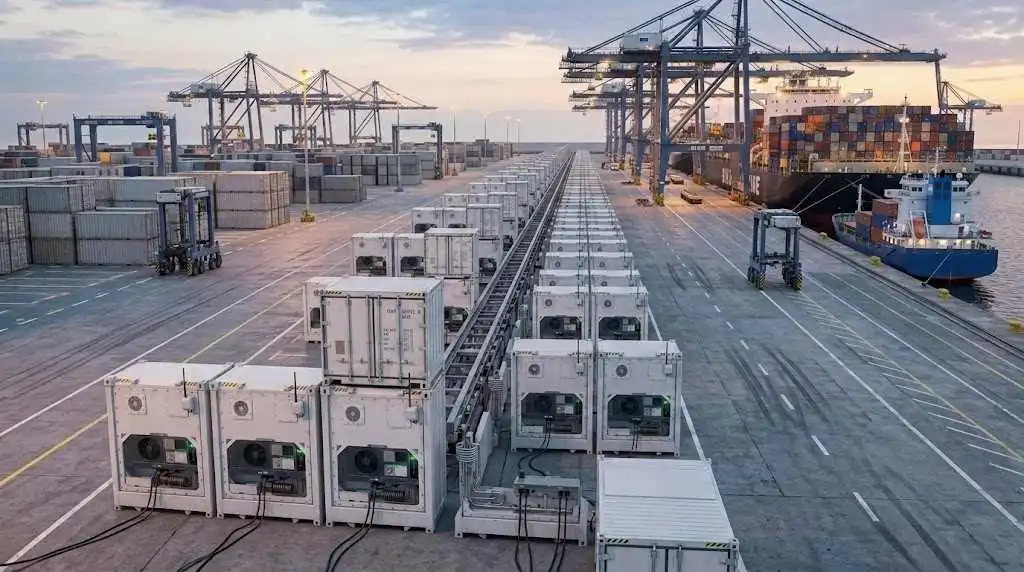
The integration of advanced ethylene scrubbers within reefer units further enhances these capabilities. Ethylene is a natural gas produced by ripening fruit that acts as a hormone, accelerating the ripening of other nearby produce. By removing ethylene from the container’s atmosphere, logistics providers can prevent premature spoilage and extend the shelf life of the cargo. These technological refinements ensure that products arrive in a state that is as close to just-harvested as possible. Furthermore, modern reefer units are now equipped with remote-controlled settings, allowing technical teams to adjust atmosphere and temperature levels in real-time while the vessel is at sea. This level of control represents a significant leap forward in the precision and reliability of global cold chain management.
Integrating Real-Time Tracking and IoT Monitoring
A significant leap forward in enhancing cold chain logistics in global shipping has been the integration of real-time tracking and monitoring systems. In the past, logistics managers often had to wait until a shipment arrived at a checkpoint to receive data on its condition. Today, IoT-enabled sensors provide a continuous stream of information regarding temperature, humidity, light exposure, and even shock or vibration. This data is transmitted via satellite or cellular networks to centralized management platforms, allowing operators to monitor thousands of containers simultaneously. If a sensor detects a temperature deviation, the system can automatically trigger an alert, enabling the logistics team to intervene before the product is compromised. This proactive approach to risk management has dramatically reduced spoilage rates and improved the overall reliability of the cold chain.
The use of data analytics further enhances these monitoring capabilities by identifying patterns and potential points of failure within the shipping route. For example, by analyzing historical data, shipping lines can identify specific ports or transit points where delays are more likely to occur, allowing them to adjust their routing or prioritize the movement of cold chain containers. Furthermore, the transparency provided by real-time tracking is highly valued by stakeholders throughout the supply chain. Manufacturers can provide their customers with verified proof of the product’s integrity, while insurers can more accurately assess risk and handle claims. This level of visibility not only improves operational efficiency but also builds trust between partners, which is essential in a sector where the stakes are so high. As these technologies become more affordable and widespread, they are becoming standard features of the global cold chain, rather than specialized add-ons.
Regulatory Compliance and Food Safety Standards
The regulatory landscape for cold chain logistics has become increasingly stringent, driven by global concerns over food safety and pharmaceutical integrity. Laws such as the U.S. Food Safety Modernization Act (FSMA) and international Good Distribution Practices (GDP) for pharmaceuticals require companies to provide comprehensive documentation of the temperature conditions throughout a product’s journey. Enhancing cold chain logistics in global shipping therefore involves the implementation of robust data management systems that can generate temperature maps and audit trails for every shipment. These digital records are essential for demonstrating compliance during inspections and for resolving disputes in the event of a cargo claim. The speed of physical transport for sensitive biologics must be matched by administrative efficiency, which is why digitalizing customs for faster cargo clearance is becoming an essential component of the modern cold chain.
To manage this complexity, many logistics providers are turning to blockchain technology to create immutable records of the cold chain. By recording every temperature reading and handover on a decentralized ledger, companies can create a single, tamper-proof version of the truth. This not only simplifies compliance but also facilitates the rapid identification of the source of any disruption. For high-value goods like specialized oncology drugs or rare biological samples, this level of traceability is not just a benefit; it is a requirement. The move toward digitalized, transparent compliance is transforming the cold chain from a purely operational function into a sophisticated data-driven service that adds significant value to the end product.
Sustainable Innovations and the Future of Cold Storage
As the logistics industry strives to meet its sustainability goals, enhancing cold chain logistics in global shipping requires a focus on reducing the environmental impact of refrigerated transport. Refrigeration is inherently energy-intensive, and many older units rely on refrigerants that have a high global warming potential (GWP). To address this, the industry is moving toward the use of natural refrigerants, such as CO2, and more efficient insulation materials that reduce the energy required to maintain low temperatures. Additionally, the development of sustainable packaging solutions, such as biodegradable phase-change materials and reusable thermal containers, is helping to reduce waste in the last mile of the cold chain. These innovations are not only better for the planet but also offer long-term cost savings by reducing energy consumption and minimizing product loss.
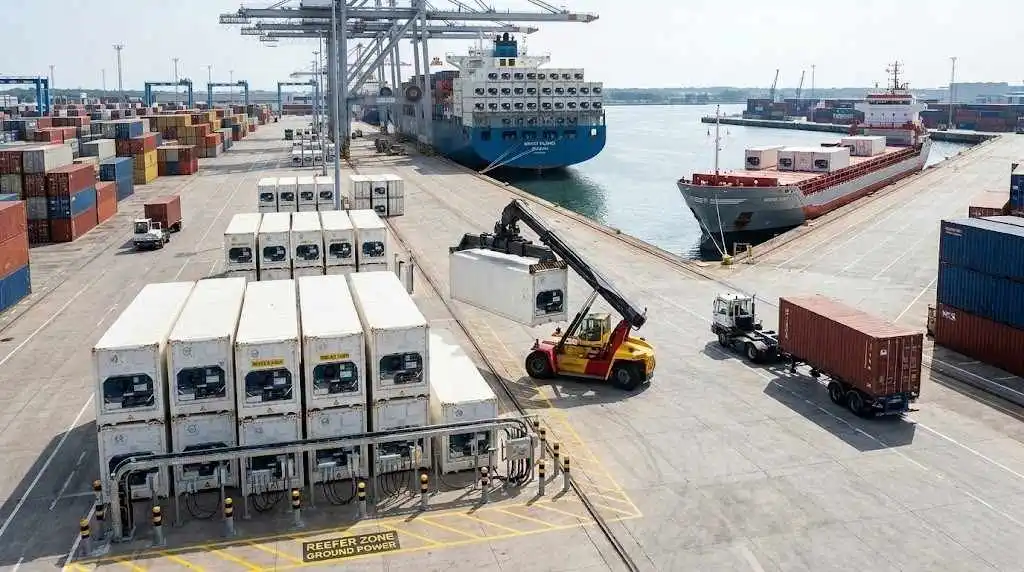
Looking ahead, the future of the cold chain will likely be defined by even greater levels of automation and integration. The use of autonomous reefer units that can self-diagnose and perform minor repairs while in transit is already being explored. Furthermore, the rise of renewable energy sources at ports, such as solar-powered reefer stacking areas, is reducing the carbon footprint of terminal operations. As the global population continues to grow and diets shift toward more fresh and diverse foods, the demand for a high-performing cold chain will only increase. By continuously pushing the boundaries of what is possible, the logistics industry is ensuring that the cold chain remains a robust and reliable link in the global economy. The commitment to excellence in temperature-controlled shipping is essential for supporting global health, food security, and the continued growth of international trade in a changing world.
Next-Generation Temperature Monitoring
The push for absolute visibility in the cold chain has led to massive digital integrations. In February 2025, MSC launched iReefer, connecting over 210,000 refrigerated containers to provide shippers with real-time API access to temperature and humidity metrics. Similarly, Maersk has extensively upgraded its cold chain footprint through continuous IoT sensor deployment and predictive analytics, ensuring that strict compliance required for pharmaceutical and perishable food logistics is actively managed during transit.
Overcoming the Last Mile Challenge in the Cold Chain
One of the most difficult segments of cold chain logistics is the transition from the large-scale shipping container to the final delivery point, often referred to as the last mile. Enhancing cold chain logistics in global shipping must therefore include strategies for maintaining temperature integrity during this final, often fragmented stage. The use of specialized refrigerated vans, e-bikes with thermal boxes, and even autonomous delivery drones is becoming increasingly common to ensure that products do not experience thermal shock when they leave the controlled environment of the terminal. The integration of localized cold storage hubs, or micro-fulfillment centers, allows for shorter delivery times and more precise temperature management in urban areas.
Training and education are also critical components of last-mile success. Human handling remains a significant factor in cold chain failures, particularly during the loading and unloading of cargo. Providing clear, standardized protocols for workers—such as minimizing the time a container door is left open or ensuring that products are moved immediately into refrigerated storage—can have a massive impact on the overall success of the cold chain. As we look to the future, Transport Advancement believes that the combination of advanced technology and a highly trained workforce will be the key to ensuring that the global cold chain is truly unbroken, from the manufacturer’s floor to the consumer’s door. The continued evolution of these systems is a testament to the industry’s dedication to quality, safety, and innovation.
References
- MSC Launches iReefer, the Most Advanced Container Monitoring System for Reefer Cargo
