














The evolution of the heavy-haul sector is being redefined by a convergence of autonomous systems, intelligent connectivity, and advanced structural engineering. These innovations are transforming the truck from a standalone mechanical asset into a highly optimized, data-driven participant in a global, frictionless mobility network.
Scaling a professional transport operation requires a sophisticated financial architecture that balances capital preservation with the need for modern, low-emission assets. Leveraging strategic leasing and funding options allows businesses to navigate the high upfront costs of technology transitions while maintaining the agility needed for sustainable growth.
Ensuring the integrity of road transport requires a rigorous and automated approach to monitoring driver behavior and hours of service. Advanced recording technologies provide a tamper-proof foundation for regulatory adherence, fatigue management, and overall risk mitigation across professional commercial fleets.
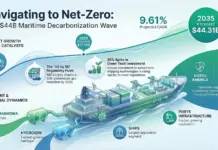
The transition away from traditional diesel necessitates a sophisticated multi-fuel strategy that balances immediate carbon reductions with long-term infrastructure viability. Adopting liquid natural gas, advanced biofuels, and hydrogen represents a critical step toward achieving net-zero goals in the global heavy transport sector.