





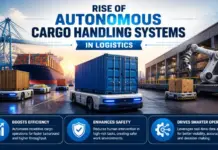


The global supply chain is currently undergoing one of the most significant transformations since the invention of the shipping container. At the heart of this revolution is the rise of autonomous cargo handling systems, which are redefining how goods move through ports, warehouses, and distribution centers. As global trade volumes continue to climb and consumer expectations for rapid delivery intensify, the traditional manual methods of moving freight are being pushed to their limits. This has created a critical need for technological solutions that can handle the sheer scale of modern commerce while maintaining high levels of precision and reliability. The shift toward autonomy is not merely a luxury for the most advanced facilities. It has become a fundamental requirement for staying competitive in a hyper-connected global economy. Transport Advancemet notes that by removing human error from repetitive and dangerous tasks, these systems allow for a smoother flow of goods, effectively turning traditional logistics hubs into intelligent, data-driven ecosystems.
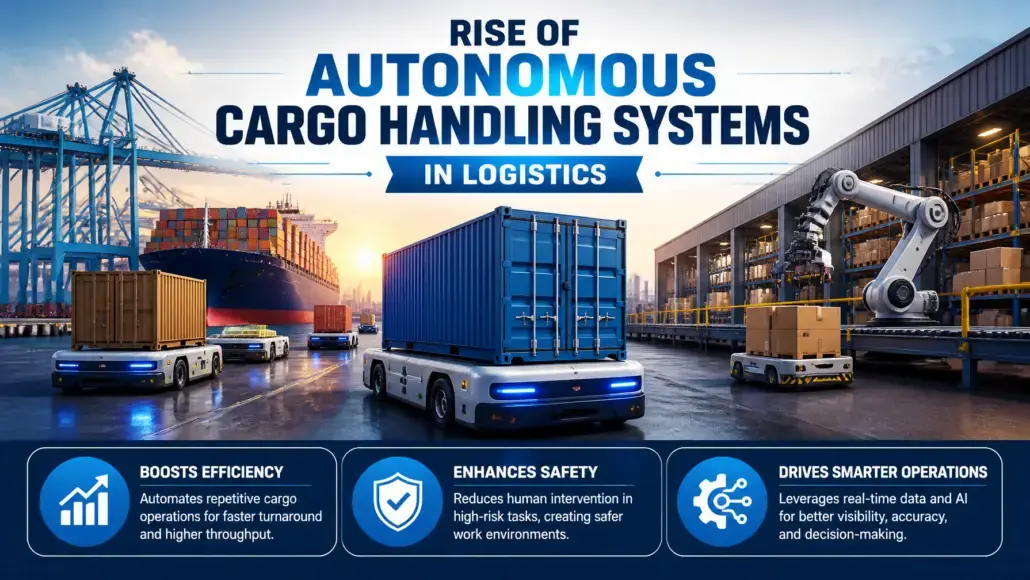
The integration of autonomous cargo handling systems represents a departure from the reactive logistics models of the past. In these newer frameworks, machinery does not simply wait for instructions but actively participates in the optimization of the terminal. From autonomous guided vehicles (AGVs) that transport containers across vast terminal yards to robotic cranes that stack cargo with millimeter precision, the level of synchronization achieved is unprecedented. This technological leap is driven by advancements in sensor technology, artificial intelligence, and high-speed connectivity, allowing machines to perceive their environment and make real-time decisions. The result is a significant reduction in dwell times for vessels and trucks, which directly translates to lower operational costs and a smaller carbon footprint for the industry as a whole. As we look toward the 2030s, the benchmark for a world-class terminal will no longer be its physical size, but the sophistication of its autonomous operations.
Core Technological Components of Autonomous Systems
To understand the rise of autonomous cargo handling systems, one must look at the sophisticated technologies that power them. At the foundation of these systems is a suite of advanced sensors, including LiDAR, high-definition cameras, and ultrasonic sensors. These tools allow machines to build a three-dimensional map of their surroundings in real-time, detecting obstacles, navigating complex paths, and identifying specific cargo units with absolute accuracy. Unlike human operators, who may struggle with poor visibility or fatigue, these sensors operate with consistent precision 24 hours a day. The data from these sensors is processed by powerful edge computing systems, which use artificial intelligence to make split-second decisions—such as adjusting a crane’s trajectory to account for high winds or rerouting an AGV to avoid a temporary bottleneck.
 Connectivity is the other essential pillar of autonomy. The rollout of 5G networks and low-latency Wi-Fi 6 has provided the necessary bandwidth for thousands of devices to communicate simultaneously within a single terminal. This creates a connected hive environment where every piece of equipment is aware of the location and status of every other unit. When a quay crane prepares to unload a container, the terminal operating system (TOS) can instantly dispatch an autonomous tractor to the exact spot where the container will be lowered. This level of coordination eliminates the dead time that often plagues manual operations, where machines sit idle waiting for the next task. By integrating these systems with cloud-based analytics, operators can also perform predictive maintenance, identifying potential mechanical failures before they lead to downtime, thus ensuring that the autonomous cargo handling systems remain operational at all times.
The Shift Toward Fully Autonomous Terminals
Recent milestones by major equipment manufacturers highlight the rapid transition toward autonomous port operations. Kalmar’s 2024 partnership with Forterra focuses on automation-ready terminal tractors managed through the Kalmar One system, directly eliminating manual bottlenecks. Meanwhile, Konecranes secured a major contract in July 2025 to supply 42 fully automated, lithium-ion AGVs to the ECT Rotterdam terminal, underscoring the industry’s push to combine heavy automation with sustainable, electrified cargo handling.
Transforming Port Efficiency and Terminal Operations
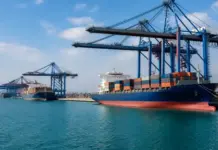
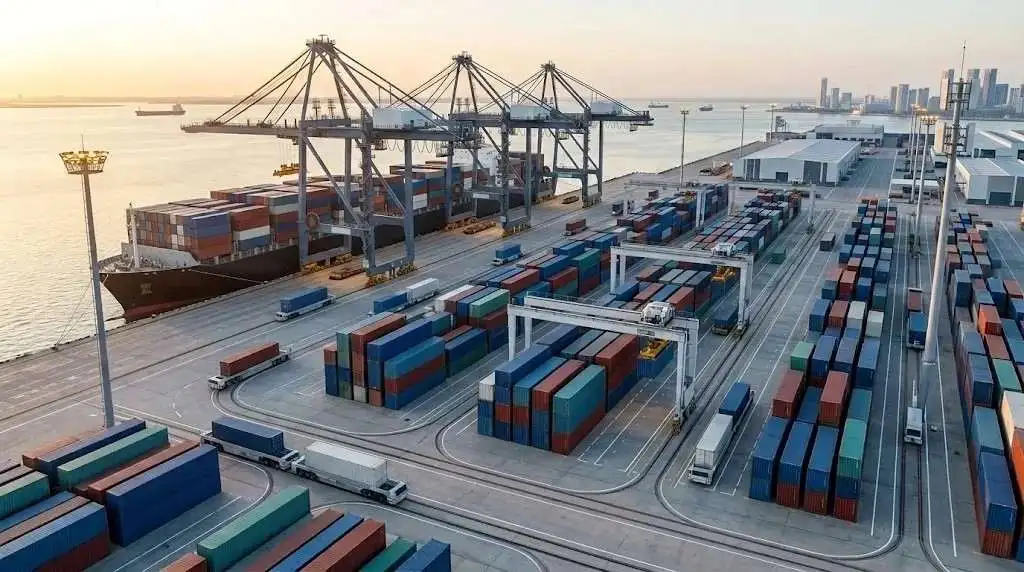
One of the most visible impacts of autonomous cargo handling systems is found within the world’s busiest container terminals. Historically, port operations were characterized by labor-intensive processes that were highly susceptible to disruptions caused by weather, fatigue, and communication breakdowns. Today, the implementation of automated stacking cranes (ASCs) and horizontal transport systems has allowed ports to operate around the clock with consistent productivity levels. These systems use complex algorithms to determine the most efficient path for every container, minimizing unnecessary movements and ensuring that high-priority shipments are always accessible. This level of organization is crucial for handling the massive mega-ships that now dominate international shipping routes, where thousands of containers must be unloaded and reloaded in a very tight window. While the physical movement of containers is managed by robotic hardware, the overall orchestration of these assets is increasingly dependent on improving throughput with AI driven scheduling systems that synchronize every move.
Furthermore, the data generated by these autonomous systems provides terminal operators with deep insights into their daily operations. Every movement of a robot or an autonomous vehicle is tracked, analyzed, and used to further refine the system’s performance. This creates a continuous feedback loop where the terminal becomes more efficient over time. By leveraging predictive analytics, operators can anticipate bottlenecks before they occur, adjusting the flow of cargo to maintain a steady throughput. The transition to autonomous cargo handling systems also addresses the growing labor shortages in many parts of the world, ensuring that the supply chain remains resilient even when manual labor is difficult to secure. This reliability is the cornerstone of the modern smart port, where technology acts as the primary driver of growth and operational excellence. Facilities that have pioneered these systems, such as the Port of Rotterdam and the fully automated Qingdao Port, have demonstrated that automation can lead to a 30% increase in productivity while simultaneously reducing energy consumption per container moved.
Economic Impact and Competitive Advantage
The economic implications of the rise of autonomous cargo handling systems are profound. For terminal operators, the initial capital expenditure for automation is significant, but the long-term savings in operational costs are even greater. Automation reduces the reliance on variable labor costs and minimizes the expenses associated with accidents, equipment damage, and cargo loss. By increasing throughput, ports can generate more revenue from existing physical assets, effectively delaying the need for costly land expansions. Furthermore, the increased predictability of autonomous systems allows shipping lines to optimize their vessel speeds and schedules, leading to significant fuel savings across their entire fleet. In a sector where margins are often thin, the efficiency gains provided by autonomy can be the difference between profit and loss.
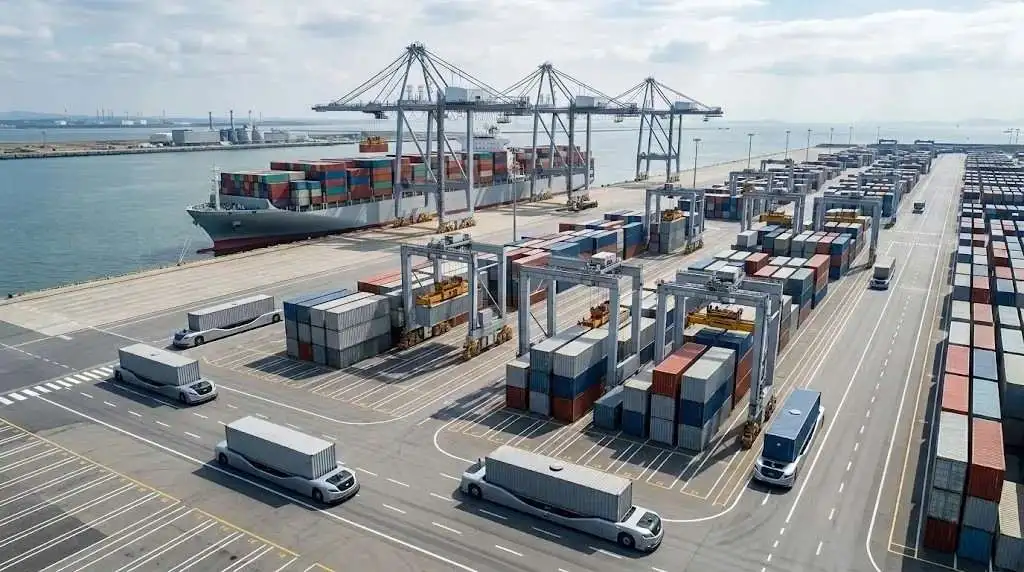
Beyond individual terminals, autonomous cargo handling systems contribute to the broader economic health of the regions they serve. A highly efficient port acts as a magnet for manufacturing and distribution businesses, which value the speed and reliability of their supply chain connections. By reducing the time and cost of moving goods, these systems help to lower the final price of products for consumers, stimulating economic activity. Moreover, the shift toward automation creates new high-tech industries focused on the development, maintenance, and oversight of these systems. This transitions the logistics workforce toward more stable, higher-paying technical roles, fostering a new generation of logistics professionals who are as comfortable with software code as they are with heavy machinery. As global trade continues to evolve, the regions that embrace autonomous cargo handling systems will be best positioned to capture the growth of the future.
Prioritizing Operational Safety and Workforce Adaptation
Beyond the clear gains in efficiency, the adoption of autonomous cargo handling systems has led to a dramatic improvement in workplace safety. Container terminals and large-scale logistics hubs are inherently hazardous environments, featuring heavy machinery, high-speed movements, and massive loads. By automating the most dangerous aspects of cargo handling—such as the movement of containers in high-traffic areas or the operation of cranes at great heights—companies are significantly reducing the risk of accidents and injuries. Robots do not suffer from fatigue or distraction, which are the leading causes of human error in industrial settings. This shift allows human workers to move into more sophisticated roles, such as system monitoring, maintenance, and remote operations, where their cognitive skills can be utilized more effectively.
The transition to an automated workforce does require a thoughtful approach to training and skill development. As autonomous cargo handling systems become the standard, the logistics industry must invest in upskilling its employees to work alongside these advanced technologies. This collaboration between human intelligence and machine precision is what will ultimately define the future of the sector. Rather than replacing workers, automation is transforming the nature of their work, making it safer, cleaner, and more technically engaging. As these systems continue to evolve, they will incorporate even more advanced features, such as collaborative robotics and decentralized decision-making, further cementing their role as the backbone of global commerce. The commitment to safety and innovation ensures that the rise of autonomy remains a positive force for both businesses and the people who keep the world’s goods moving. Modern terminals now feature remote control centers where operators manage multiple cranes from an office environment, a stark contrast to the grueling conditions of traditional manual crane operation.
Overcoming Challenges and Looking to the Future
Despite the clear benefits, the widespread adoption of autonomous cargo handling systems is not without its challenges. The integration of complex software systems with heavy industrial hardware is a difficult engineering task that requires high levels of expertise. Interoperability between different manufacturers’ equipment remains a hurdle, as ports often use a mix of legacy and modern systems. Furthermore, the cybersecurity of these autonomous networks is a critical concern; as terminals become more dependent on data, they also become more attractive targets for cyberattacks. Protecting the integrity of the terminal operating system and the security of the autonomous vehicles is a top priority for developers and operators alike.
Looking to the future, Transport Advancement believes the next phase of the rise of autonomous cargo handling systems will involve the integration of these technologies into the wider transport network. We can expect to see autonomous trucks seamlessly connecting with autonomous ports, creating a fully automated logistics corridor. The use of artificial intelligence will continue to deepen, with systems capable of self-optimization and autonomous problem-solving. As the cost of sensors and computing continues to fall, even smaller inland terminals and warehouses will be able to implement these technologies, bringing the benefits of autonomy to the entire supply chain. The journey toward full autonomy is a long-term commitment, but the progress made in recent years clearly indicates that the future of logistics is autonomous, intelligent, and highly efficient.
References
- Kalmar and Forterra sign joint development agreement for autonomous terminal tractor
- Hutchison Ports ECT Rotterdam (ECT) orders a Konecranes Automated Horizontal Transport System to modernize and electrify operations
