






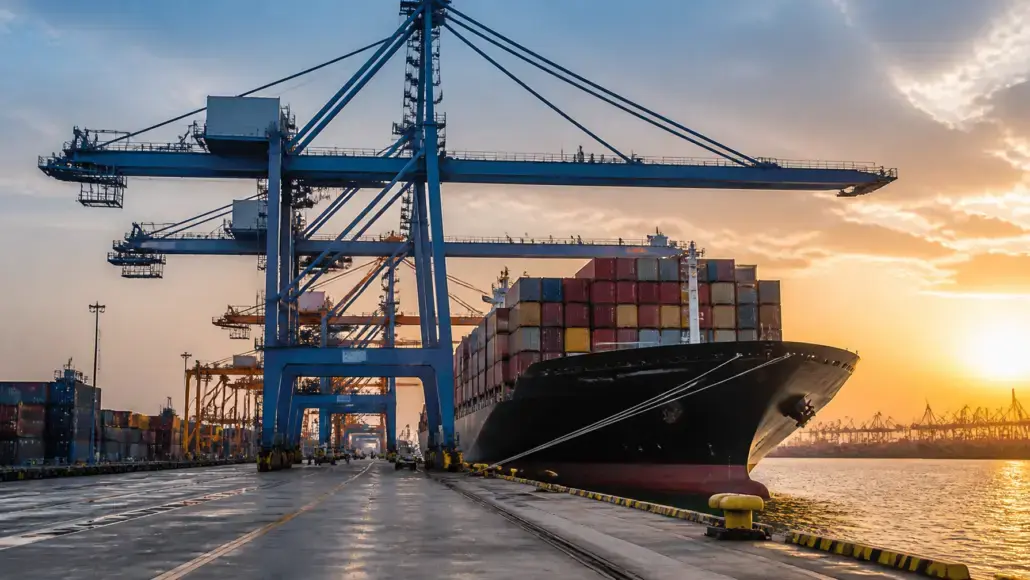
The landscape of global commerce is being rapidly reshaped by the twin forces of e-commerce and technological innovation. At the center of this transformation are our ports, which have evolved from simple transit points into sophisticated logistical hubs. The future of port logistics is no longer just about moving containers off a ship. It is about the intelligent integration of warehousing and distribution systems that bridge the gap between global manufacturers and local consumers. Transport Advancement notes that as the demand for faster delivery times and greater product variety grows, the port-adjacent warehouse is becoming one of the most critical assets in the modern supply chain.
This evolution is driven by the need for shipping efficiency in an increasingly on-demand world. Traditional logistics models, where goods were moved to distant regional distribution centers before being sent to their final destination, are being challenged. Instead, we are seeing the rise of port-centric logistics, where warehousing innovations are concentrated directly at the water’s edge. The future of port logistics involves creating seamless, high-velocity distribution systems that reduce the time and cost of land-based transport, ensuring that goods are available to consumers exactly when and where they are needed.
Transformative Warehousing Innovations and Automated Systems
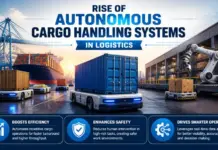
To handle the massive volumes of cargo passing through modern terminals, warehousing is undergoing a radical technological upgrade. Port logistics of tomorrow is defined by the adoption of Automated Storage and Retrieval Systems (AS/RS), which can manage thousands of pallets in high-density facilities with minimal human intervention. These systems use robotic shuttles and cranes to move goods with a speed and accuracy that manual forklifts cannot match. By maximizing vertical space and optimizing picking routes, these warehousing innovations allow ports to handle more inventory on a smaller physical footprint—a critical advantage in land-constrained coastal areas.
Furthermore, the integration of dark warehouses—facilities that are fully automated and require no lighting or climate control for human workers—is becoming a reality. These facilities are controlled by sophisticated Warehouse Management Systems (WMS) that synchronize with the port’s terminal operating system. Port logistics thus creates a continuous flow of data and physical goods, where a container is unloaded from a ship and its contents are immediately sorted and stored in an automated facility without ever touching the ground. This level of shipping efficiency is essential for managing the high-volume, low-margin products that characterize modern retail.
Distribution Systems and the Shift Toward Port-Centricity
The shift toward port-centric logistics is fundamentally changing distribution systems. By performing value-added services—such as labeling, kitting, and final assembly—at the port, companies can significantly reduce their lead times. Port logistics enables a postponement strategy, where products are kept in a generic state and only customized once an order is received. This reduces the risk of carrying excess inventory and allows companies to respond more quickly to changes in market demand. It is a more agile approach that leverages the port’s unique position as the first point of entry for international goods.
Moreover, the development of multi-modal distribution hubs is a key component of this future. These facilities are designed to transition goods seamlessly between ships, trains, and trucks. The future of port logistics involves investing in rail-linked warehouses that can bypass congested highway networks, providing a more reliable and sustainable way to move large volumes of cargo inland. By integrating these advanced distribution systems with real-time inventory management, ports are becoming the brain of the supply chain, coordinating the movement of goods across vast geographic distances with surgical precision.
Technical and Logistical Challenges of Port-Centric Models
While the benefits are significant, the move toward the future of port logistics is not without its hurdles. One of the primary challenges is land scarcity. Many of the world’s most successful ports are located in densely populated urban areas where expanding warehouse capacity is difficult and expensive. Furthermore, the integration of different transportation modes—such as switching from a ship to a train—requires complex coordination and high-capacity infrastructure. Overcoming these logistical bottlenecks is a constant challenge for port planners and logistics managers.
There is also the challenge of data siloes. For port-centric logistics to be effective, data must flow seamlessly between the shipping line, the terminal operator, and the warehouse manager. However, many of these parties still use legacy IT systems that are not easily interconnected. The future of port logistics depends on the development of common data standards and open APIs that allow for the real-time sharing of information across the entire supply chain. Addressing these technical challenges is essential for creating the frictionless logistics network that the modern global economy requires.
Logistics Technology and the Rise of the Digital Twin
As with many other industries, the future of logistics is being shaped by the digital twin—a virtual replica of the entire port and warehouse ecosystem. Futuristic port logistics uses these digital models to simulate various scenarios, from a sudden surge in cargo volume to a major equipment failure. By running these simulations, port operators can identify bottlenecks and optimize their facility designs before they are even built. This data-driven approach ensures that investments in logistics technology are targeted where they will have the greatest impact on shipping efficiency and inventory management.
Looking ahead, we can expect port logistics to be increasingly shaped by artificial intelligence and machine learning. These technologies will be used to predict demand patterns, optimize trucking schedules, and even automate the last-mile delivery from the port-adjacent warehouse. The convergence of physical automation and digital intelligence is creating a logistical network that is more resilient, efficient, and responsive than anything we have seen before.
As ports continue to innovate, they will remain the indispensable anchors of the global economy, ensuring that the world’s goods keep moving, regardless of the challenges that lie ahead. The future of logistics is a seamless connection between the ocean and the door. It is a world where distance is no longer a barrier to commerce and where the port-centric warehouse is the engine of urban economic growth. By embracing the innovations that define the port logistics of the coming time, we are building a more responsive, efficient, and sustainable global marketplace. The journey from ship to shelf has never been shorter.
Strategic Future: The Circular Port Logistics Hub
Looking further ahead, the future of port logistics will be defined by the concept of the circular logistics hub. This involves transforming the port from a place of consumption into a place of resource recovery and remanufacturing. Port-adjacent warehouses will not just store goods; they will house facilities for repairing, refurbishing, and recycling products as they enter and leave the country. This circular approach minimizes waste and creates a more sustainable and resilient supply chain. By integrating these circular economy principles into the Future of Port Logistics, the maritime industry can become a leader in the global effort to decouple economic growth from resource consumption.
Furthermore, the rise of urban air mobility—such as heavy-lift drones—will revolutionize the distribution of high-value goods from the port. The future-ready port logistics will see the development of vertiports directly integrated into port-centric warehouses, allowing for the rapid delivery of parts and supplies to the surrounding city. This three-dimensional logistics network will bypass congested roads entirely, providing a level of speed and agility that is currently unimaginable.
Transport Advancement believes that by continuing to innovate at the intersection of technology and geography, ports are ensuring that they remains the vital anchors of the global economy for centuries to come. The port of the future is the heart of the circular city. It is a place where innovation, industry, and urban life intersect to create a more prosperous and sustainable world. By focusing on the intelligent integration of warehousing and distribution, we are ensuring that the global supply chain remains the resilient and essential backbone of our modern civilization. The future of the port is the future of the city itself, and the possibilities are as vast as the ocean.
