




















While containerized shipping often grabs the headlines, the backbone of global industry remains the movement of bulk cargo—the raw materials like grain, coal, iron ore, and minerals that fuel our economies. Handling these materials presents a unique set of challenges; they are often heavy, dusty, and required in massive quantities. Traditionally, bulk operations were defined by brute force and manual labor. However, a new wave of innovations in bulk cargo handling is transforming these operations into high-tech, efficient processes. Transport Advancement notes that by focusing on automation, environmental protection, and logistics solutions, the industry is finding new ways to move more material with less waste and a smaller environmental footprint.
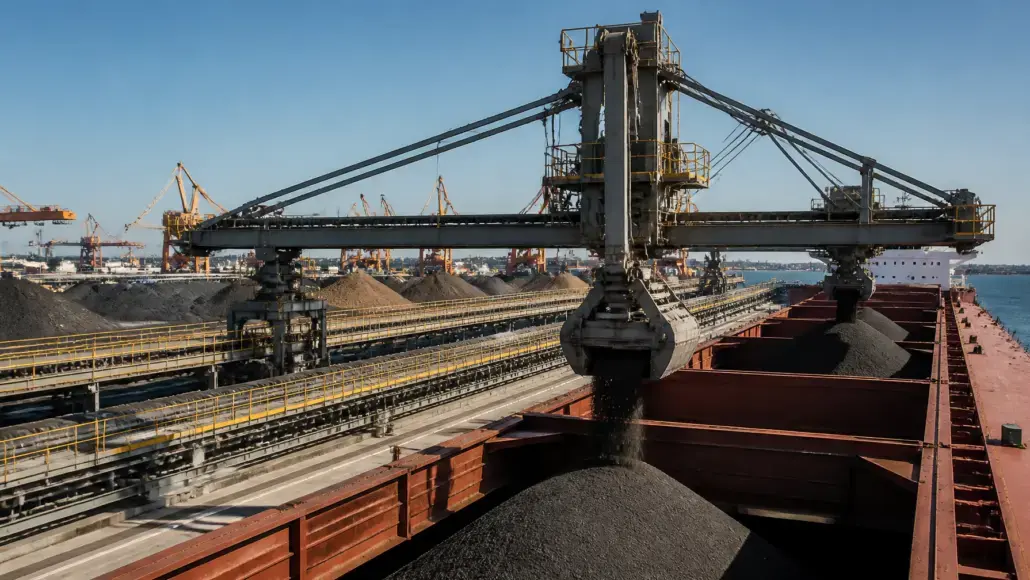
The drive for efficiency enhancements in the bulk sector is motivated by the need to reduce turnaround times for the massive vessels that carry these goods. A Capesize bulk carrier can carry over 150,000 tons of material, and every hour it spends at the berth costs the charterer thousands of dollars. Innovations in bulk cargo handling are aimed at streamlining the loading and unloading process, using high-speed conveyor systems, automated ship loaders, and sophisticated grab-cranes that can move hundreds of tons of material in a single cycle. These technologies are the key to maintaining the profitability of bulk terminals in a market defined by volatile commodity prices and tight margins.
Automated Systems and High-Speed Cargo Operations
The most significant shift in bulk handling is the move toward fully automated systems. In modern smart bulk terminals, the entire process from the railcar dumper to the ship loader can be managed from a central control room. Innovations in bulk cargo handling include the use of laser scanners and GPS to automate the positioning of stacks in the storage yard, ensuring that the most frequently used materials are always within easy reach. This reduction in human intervention not only speeds up cargo operations but also significantly reduces the risk of accidents in an environment where heavy machinery and massive loads are the norm.
Automated ship unloaders, which use continuous screw conveyors or bucket elevators instead of traditional grabs, are another major innovation. These systems provide a constant flow of material, eliminating the dead time between crane cycles. Furthermore, innovations in bulk cargo handling in this area often focus on enclosed handling systems that protect the material from the elements and prevent dust from escaping into the atmosphere. This is particularly important for terminals handling sensitive materials like grain or sulfur, where moisture control and dust suppression are critical for both quality and safety.
Environmental Enhancements and Sustainable Logistics Solutions
As environmental regulations become stricter, the bulk industry is investing heavily in green innovations in bulk cargo handling. One of the biggest challenges in handling dry bulk is fugitive dust—fine particles that are blown away by the wind during loading and unloading. To combat this, terminals are installing advanced dust suppression systems that use dry fog or chemical binders to keep particles on the ground. Additionally, many ports are now using enclosed dome storage facilities instead of open stockpiles. These structures not only protect the environment but also prevent product loss, ensuring that every ton of material that arrives at the port is eventually delivered to the customer.
Sustainability also means optimizing the logistics solutions that connect the port to the hinterland. Innovations in bulk cargo handling are increasingly focused on multi-modal integration, where high-capacity rail systems are synchronized with port operations to ensure a continuous flow of material. By using data-driven scheduling, terminals can avoid peaks and valleys in their workload, leading to more consistent and efficient use of their equipment. This holistic approach to shipping techniques ensures that the bulk supply chain is as resilient as it is efficient, capable of handling the massive volumes of material required by modern industry.
Technical Challenges and Maintenance of Bulk Infrastructure
Despite the focus on automation, bulk terminals face significant technical challenges, primarily related to the harshness of the materials they handle. Abrasive materials like iron ore or corrosive materials like potash can cause rapid wear and tear on conveyor belts, pulleys, and chutes. Innovations in bulk cargo handling thus include the development of advanced wear-resistant materials and smart sensors that monitor the health of the equipment in real-time. Maintaining these massive systems requires a robust predictive maintenance strategy to avoid costly and unplanned downtime.
There is also the challenge of material flow. Bulk materials can be unpredictable; they can stick to conveyors, form bridges in silos, or change their flow characteristics based on humidity. Overcoming these flow issues requires a deep understanding of bulk solids handling and the use of sophisticated simulation software. Innovations in bulk cargo handling in this area involve the use of variable speed drives and automated vibration systems to keep the material moving smoothly. Addressing these physical and technical challenges is essential for maintaining the high levels of reliability that bulk customers demand.
The Role of Data and AI in Bulk Cargo Management
The future of bulk handling lies in the application of data analytics and artificial intelligence to cargo management. By monitoring the performance of conveyor belts, cranes, and loaders in real-time, terminal operators can predict when a component is likely to fail and schedule maintenance before a breakdown occurs. Innovations in bulk cargo handling thus include predictive maintenance as a core component of their efficiency strategy. Furthermore, AI can be used to optimize the blending of different materials—such as different grades of iron ore—directly at the port, adding value for the customer and reducing the need for further processing down the line.
Looking forward, we can expect to see even more integration between the physical and digital aspects of bulk logistics. From the use of drones for stockpile volume measurement to the implementation of blockchain for secure bill of lading management, innovations in bulk cargo handling are ensuring that this ancient industry remains at the cutting edge of technological development. By embracing these enhancements, bulk terminals are not only improving their own bottom lines but are also providing the essential infrastructure needed for a sustainable and productive global economy. The era of digital bulk handling is upon us. It is a time of unprecedented change and opportunity, where the ancient trade in raw materials is being reinvented for the 21st century. By investing in the Innovations in Bulk Cargo that drive efficiency and sustainability, the industry is ensuring that it remains the robust and reliable backbone of the global economy. The weight of the world’s progress is carried by bulk innovation.
Future Projections: The Fully Autonomous Bulk Terminal
The ultimate destination for innovations in bulk cargo handling is the fully autonomous bulk terminal. In this future, the entire process—from the arrival of the ship to the departure of the railcar—is managed by a cognitive terminal operating system. Massive bucket-wheel reclaimers and ship loaders will operate without a single human on board, using LiDAR and high-precision GPS to move material with millimeter accuracy. This level of autonomy will not only increase efficiency to its physical limits but will also make bulk operations safer than ever before, completely removing workers from the dust and noise of the terminal.
Moreover, the integration of innovations in bulk cargo handling with green energy production will become a major trend. Bulk terminals, with their massive storage areas and port-side locations, are ideal sites for large-scale solar and wind installations. The energy generated on-site can be used to power the automated handling equipment or even to produce green hydrogen for the ships that visit the terminal. This synergy between bulk logistics and renewable energy will turn the port into a clean energy hub, providing the raw materials and the power needed for a sustainable future. By embracing these holistic innovations, the bulk industry is securing its place in a zero-carbon world. The raw materials of the future will be handled with the clean energy of the future. This transition represents the ultimate maturation of the bulk handling industry, where the scale of the operation is matched by the precision of the technology. Transport Advancement believes that by embracing the Innovations in Bulk Cargo that drive efficiency and environmental protection, the maritime sector is securing its place as a leader in the global sustainability movement. The weight of our collective future is in safe, automated, and green hands.
