



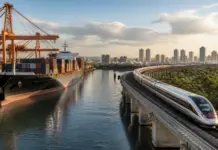
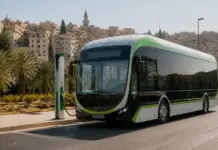
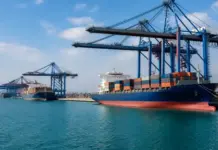


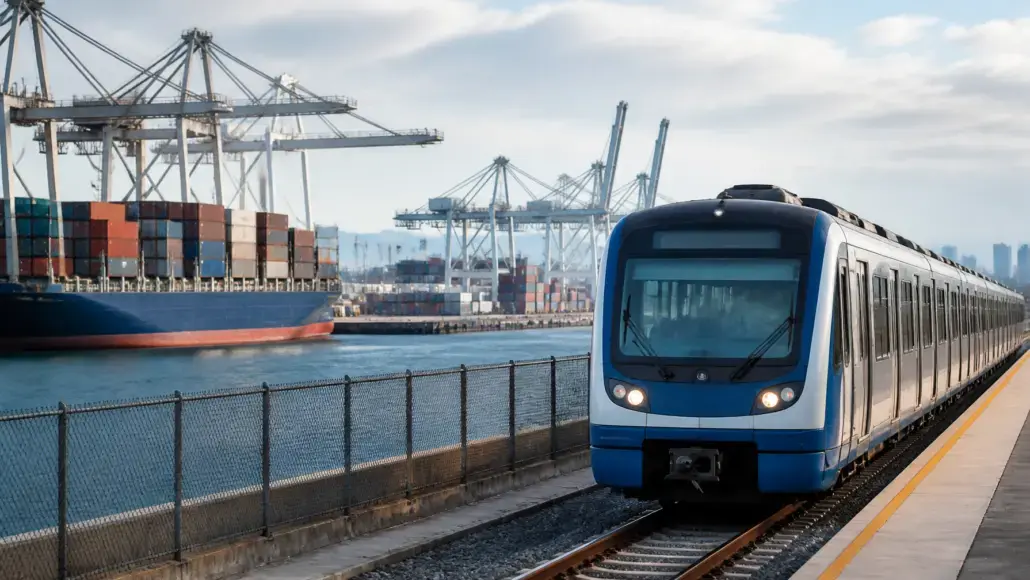
Ports are often described as the engines of the global economy, but they are also massive employment centers that exist within complex urban environments. For many cities, the port is a major source of jobs and economic activity, yet it can also be a significant source of traffic congestion and environmental strain. As we move toward more sustainable and livable urban areas, the importance of public transit connections to ports cannot be overstated. Transport Advancement notes that by providing reliable and efficient transit options for port workers and visitors, cities can reduce their reliance on private vehicles, lower carbon emissions, and enhance the overall mobility of their communities. This integration is a critical component of modern transportation infrastructure.
The challenge of port access is unique. Many ports are located in industrial areas that are geographically isolated from the city center, often cut off by rail lines, highways, or waterways. For the thousands of workers who staff the docks, warehouses, and offices of a major port, getting to work can be a logistical nightmare. Public transit connections to ports bridge this gap, offering mobility solutions that are both equitable and efficient. Whether it is an express bus lane, a dedicated light rail link, or a ferry service, these transit options ensure that the benefits of the port’s economic success are accessible to all residents, regardless of whether they own a car.
Improving Port Access through Integrated Transportation Infrastructure
A well-designed port transit strategy begins with the integration of the port into the broader urban transit network. This means ensuring that schedules are synchronized with the 24/7 nature of port operations. Public transit connections to ports must be frequent and reliable, particularly during the early morning and late night shift changes when workers are most in need of a safe and convenient commute. By providing high-quality commuter services, port authorities can significantly reduce the demand for parking within the terminal area, freeing up valuable land for cargo operations and logistics.
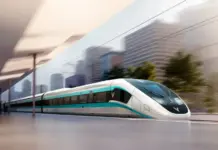
In many forward-thinking cities, light rail and Bus Rapid Transit (BRT) are being used to provide high-capacity public transit connections to ports. These systems often utilize dedicated rights-of-way, allowing them to bypass the heavy truck traffic that often clogs the roads leading to the harbor. This not only makes the commute faster for workers but also improves the overall efficiency of the port by reducing the number of cars on the road. The result is a more fluid transportation infrastructure where freight and people can move independently of each other, reducing the friction that often leads to bottlenecks in both the logistics and transit networks.
Mobility Solutions and the Role of Sustainable Commuter Services
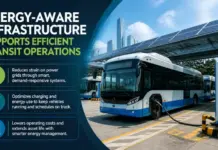
Beyond just moving workers, public transit connections to ports play a vital role in the transition to more sustainable urban mobility. The transport sector is one of the largest contributors to urban air pollution, and the heavy reliance on private cars for commuting only exacerbates this problem. By investing in electric buses and rail systems, cities can provide green mobility solutions that align with their climate goals. Furthermore, many ports are now integrating micro-mobility options—such as bike-sharing and electric scooters—into their transit hubs, providing workers with a convenient way to travel the last mile from the transit station to their specific job site within the sprawling port complex.
The social impact of these transit links is also significant. Public transit connections to ports often serve disadvantaged communities that rely on transit to access high-quality jobs. By improving port access, cities are fostering economic inclusion and helping to reduce the wealth gap. These commuter services are not just a logistical necessity; they are a tool for social equity. When a port is well-connected to its surrounding community, it becomes a better neighbor, contributing to the social fabric of the city rather than just acting as an industrial outlier. This holistic approach to urban transit is what defines a truly modern and resilient global city.
Challenges and Practical Constraints of Port Transit Projects
Despite the clear benefits, implementing public transit connections to ports is fraught with challenges. One of the primary hurdles is the last-mile problem. Port terminals are often sprawling complexes that are kilometers wide, making it difficult for a single transit station to serve all workers. Solving this requires a combination of internal shuttle systems and micro-mobility options. Furthermore, the funding for these projects can be complex, as they often require cooperation between port authorities, municipal governments, and regional transit agencies—each with their own priorities and budget constraints.
There is also the challenge of interoperability. Public transit connections to ports must be designed to work alongside the heavy rail and truck infrastructure that the port depends on. Ensuring that a new light rail line does not interfere with a critical freight corridor requires sophisticated engineering and careful planning. Additionally, the security requirements of modern ports—such as restricted access areas—can make it difficult to integrate public transit stations directly into the terminal. Addressing these practical and logistical constraints is a critical part of the long-term strategic planning for any port city that wants to thrive in the 21st century.
Automated Transit and Data-Driven Connectivity
Looking ahead, the future of public transit connections to ports will be shaped by the same digital and autonomous technologies that are transforming the logistics industry. We are likely to see the introduction of autonomous shuttles that can navigate the complex and dynamic environment of a port terminal, providing on-demand transport for workers and visitors. These systems would be integrated into a Mobility as a Service (MaaS) platform, allowing users to plan and pay for their entire commute—from their front door to the port gate—through a single digital app.
Furthermore, the use of real-time data will allow transit agencies to adjust their services based on actual demand. By monitoring gate activity and vessel arrivals, public transit connections to ports can be scaled up or down to meet the specific needs of the port at any given moment. This data-driven connectivity ensures that resources are used efficiently and that workers always have a reliable way to get to where they need to be. As we continue to rethink the relationship between industry and the city, the integration of high-quality, sustainable public transit will remain the cornerstone of a successful and integrated port ecosystem. The ports of the future will be defined by their accessibility and their connection to the people they serve. They will be places where the world of work and the world of the city coexist in harmony, supported by a transportation infrastructure that is as efficient as it is equitable. By investing in public transit connections to ports, we are building a more inclusive and resilient urban future.
Future Projections: The Frictionless Urban Port Interface
As we look toward the middle of the century, the vision for public transit connections to ports will evolve into the frictionless urban port interface. In this future, the physical boundary between the city and the port will become more porous, with high-quality transit links that feel like a natural extension of the urban fabric. Automated people movers (APMs) and high-speed transit tubes will move workers and cargo simultaneously, but on different levels, ensuring that the heavy operations of the port do not impact the quality of life in the city. This seamless integration will allow for the development of port-adjacent housing and commercial zones that are vibrant, walkable, and perfectly connected.
Furthermore, the data generated by public transit connections to ports will be integrated into the city’s Smart City operating system. This will allow for the real-time optimization of the entire urban transportation network, adjusting bus and train schedules based on vessel arrivals and cargo movements. This level of synchronization will reduce the overall environmental footprint of the city while maximizing the economic productivity of the port. Transport Advancement believes that by continuing to innovate at the intersection of transit and logistics, we are creating a more balanced and sustainable model for the port cities of the future. The connection is not just about moving people. It is about building a community. Public transit is the bridge to a more integrated maritime future.
