







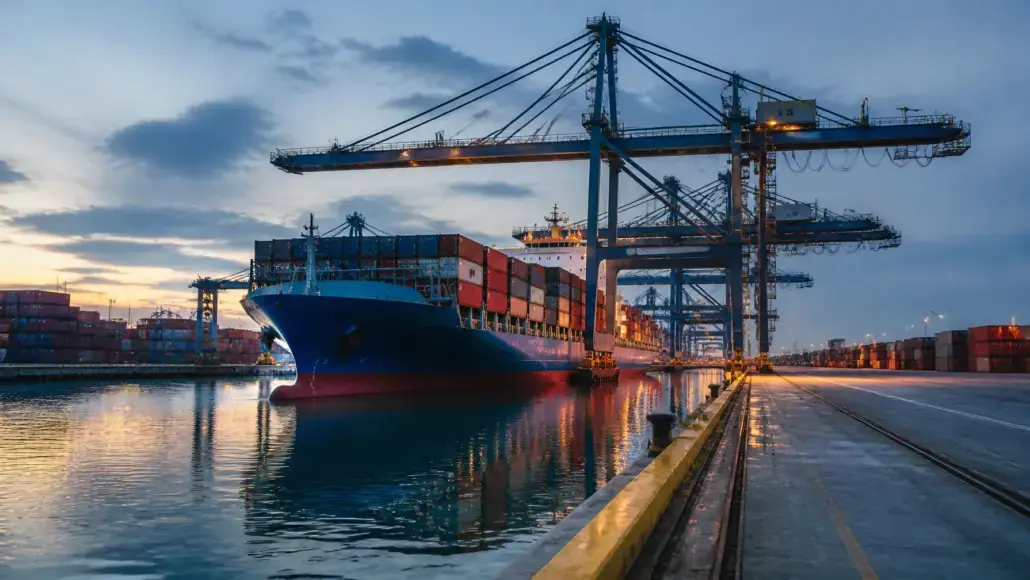
The global maritime industry is standing on the threshold of a new era, where the physical movement of cargo is becoming inseparable from the digital movement of data. This convergence is giving rise to the smart ports of the future—highly automated, data-driven hubs that leverage the latest digital technologies to optimize every aspect of their operations. In a world where supply chains are increasingly fragile and the demand for efficiency is higher than ever, the traditional manual port is no longer viable. Today, the role of smart ports is to act as the intelligent nodes of the global economy, using real-time data and transformative solutions to ensure that trade remains fluid, secure, and sustainable.
At its core, a smart port is defined by its connectivity. Transport Advancement notes that by integrating a vast network of sensors, cameras, and automated equipment through the Internet of Things (IoT), port operators can gain a 360-degree view of their entire facility. This digital transformation allows for the synchronization of ship arrivals, truck turnarounds, and crane movements, minimizing the idle time that often leads to congestion and delays. The transition to smart ports is not just an upgrade of existing systems; it is a fundamental rethinking of how port operations should function in a digitally-native world.
Enhancing Efficiency through IoT and Automation
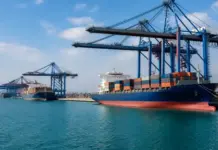
The most immediate benefit of becoming a smart port is the dramatic increase in operational efficiency. In a traditional terminal, the coordination of equipment and labor is often a manual process prone to error. In contrast, smart ports use AI-powered terminal operating systems (TOS) that can process millions of data points in real-time. These systems can predict bottlenecks before they occur, automatically adjusting the flow of traffic to maintain a steady pace of work. This level of automation is essential for handling the massive volumes of cargo carried by modern ultra-large container vessels, where every minute saved at the berth translates into thousands of dollars in savings.
The use of IoT sensors is a critical component of this efficiency drive. From monitoring the health of a crane’s motor to tracking the exact location of a container in the yard, digital technologies provide a level of visibility that was previously impossible. This real-time data allows for predictive maintenance, where equipment is serviced based on its actual condition rather than a fixed schedule. This reduces the risk of unexpected breakdowns that can paralyze a terminal. In the world of smart ports, the goal is zero downtime, where every asset is utilized to its maximum potential and every movement is optimized for speed and safety.
Transformative Solutions and the Rise of the Digital Twin
One of the most exciting transformative solutions in the maritime sector is the digital twin—a virtual replica of the physical port environment. By creating a high-fidelity 3D model that is updated with real-time data from IoT sensors, port authorities can simulate various scenarios and test new strategies in a risk-free environment. This capability is invaluable for planning major infrastructure projects or for managing the response to an emergency. smart ports use their digital twins to optimize yard layouts, design more efficient gate systems, and even model the impact of climate change on their operations. It is a powerful tool for long-term strategic decision-making.
Furthermore, digital technologies are revolutionizing the way ports interact with the broader supply chain. Through the use of blockchain and shared data platforms, smart ports can provide cargo owners and logistics providers with end-to-end visibility of their shipments. This transparency reduces the administrative burden of international trade and helps build trust between all stakeholders. By acting as a digital bridge between the sea and the land, Smart Ports are enabling a more agile and resilient global logistics network. This shift toward collaborative logistics is a hallmark of modern port operations, where success is measured by the quality of the data shared as much as the volume of the cargo moved.
Challenges and the Digital Divide in Maritime Logistics
Despite the clear advantages, the transition to smart ports is not without its challenges. One of the primary concerns is the digital divide between large, well-funded hubs and smaller regional ports. The massive investment required for automation, IoT, and high-speed connectivity can be a barrier for ports in developing regions, potentially marginalizing them in the global supply chain. Furthermore, the integration of these technologies requires a highly skilled workforce, creating a talent gap that many ports are struggling to fill. Addressing these digital and economic disparities is critical for ensuring a balanced and inclusive global trade network.
There is also the significant challenge of cyber-resilience. As ports become more digitally connected, they also become more vulnerable to cyberattacks. A successful hack of a port’s TOS could paralyze trade across an entire region. Smart ports must, therefore, place an equal emphasis on cybersecurity, investing in robust defense systems and real-time threat monitoring. This requires a shift in mindset, where digital security is seen as a core operational priority rather than just an IT issue. Overcoming these technical and security hurdles is the key to building the resilient and trusted ports of the future.
AI-Driven Autonomy and Sustainability
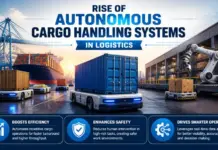
As we look to the future, the evolution of smart ports will be driven by the increasing power of artificial intelligence and the imperative of sustainability. We are moving toward a world of AI-driven autonomy, where ships, trucks, and cranes all communicate with each other to manage the movement of cargo with minimal human intervention. This will not only increase efficiency but also significantly improve safety in what has traditionally been a hazardous industry. Furthermore, digital technologies will play a key role in making ports more environmentally friendly. By using AI to optimize energy consumption and monitor air quality, smart ports can reduce their carbon footprint and become better neighbors to their surrounding communities.
The journey toward becoming a smart port is a continuous process of innovation and adaptation. As new technologies like 5G and quantum computing emerge, the capabilities of these digital hubs will only continue to expand. The ports that embrace these transformative solutions will be those that lead the global economy into the next century. By turning the challenges of modern trade into opportunities for digital growth, smart ports are ensuring that the maritime industry remains the resilient and essential backbone of our interconnected world. The future of global trade is digital, and it is built on the foundations of intelligence and connectivity. This is the ultimate destination of the maritime revolution. It is a world where information is the primary cargo and where the smart port is the brain of the global supply chain. By embracing the smart ports, we are ensuring that the world’s goods keep moving with the speed, safety, and sustainability that the 21st century demands.
Future Projections: The Autonomous Maritime Ecosystem
Looking further ahead, the Role of smart ports will expand to encompass the entire autonomous maritime ecosystem. In this future, a smart ship will communicate directly with the smart port as it crosses the ocean, providing real-time updates on its arrival time and cargo status. The port’s AI will then coordinate the ship’s entry, berthing, and unloading with a fleet of autonomous AGVs and cranes, ensuring a perfectly synchronized flow of goods. This level of end-to-end autonomy will eliminate the delays and inefficiencies that currently plague the industry, creating a truly global logistics conveyor belt that is always on and always optimized.
Furthermore, the Role of smart ports will be critical for the global effort to reach net-zero emissions. Smart ports will act as the primary hubs for the distribution and bunkering of alternative fuels, using their digital twins to manage the complex and dangerous operations involved in handling ammonia or hydrogen. By using AI to optimize every watt of energy used on the terminal, smart ports will lead the way in industrial decarbonization. The journey toward a smarter and greener maritime sector is a collective endeavor that requires the active participation of all stakeholders. Transport Advancement believes that by working together to build a more connected and intelligent world, we are securing the future of global trade and the prosperity of our planet. The smart port is the anchor of a sustainable global economy.
