













The global logistics industry is currently witnessing a tectonic shift in how freight is booked, tracked, and managed. For decades, the process of moving goods across international borders was a fragmented and labor-intensive ordeal, characterized by endless phone calls, disparate spreadsheets, and a mountain of paperwork. However, the emergence of digital freight platforms has introduced a level of transparency and efficiency that was previously unimaginable. These platforms act as a centralized digital marketplace, connecting shippers with a vast network of carriers across multiple modes of transport. Transport Advancement notes that by integrating road, rail, sea, and air into a single, user-friendly interface, digital freight technology is not only simplifying the lives of logistics managers but also fundamentally altering the competitive dynamics of the global supply chain.
The Amazon-ification of Global Freight
The concept of a Digital Freight Platform is often described as the ‘Amazon-ification’ of logistics. Just as e-commerce platforms transformed retail by providing a single point of access to thousands of products, digital freight marketplaces provide shippers with instant access to global transport capacity. Shippers can now input their cargo details and receive multiple quotes for different multimodal routes within seconds. This real-time visibility into pricing and availability allows companies to make more informed decisions, balancing cost against speed and environmental impact. For small and medium-sized enterprises (SMEs), these platforms have been a particularly powerful equalizer, providing them with the same level of market access and negotiating power as large multinational corporations. The transparency offered by these digital tools is forcing the industry to move away from opaque, relationship-based pricing toward a more efficient, market-driven model.
How API Integration Connects Sea, Rail, and Road
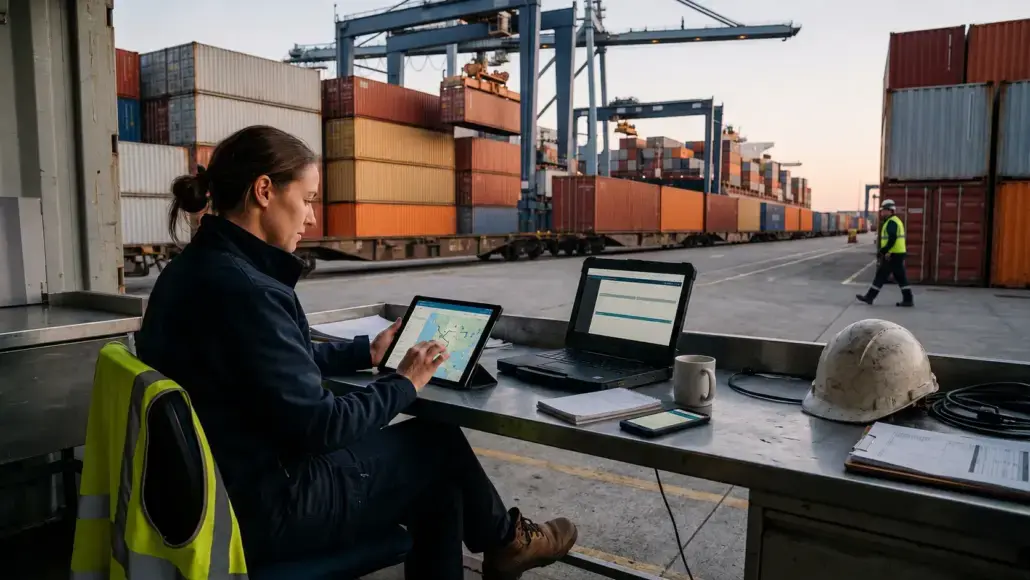
At the heart of every successful Digital Freight Platform is a complex web of Application Programming Interfaces (APIs). These APIs serve as the digital connectors that allow the platform to talk to the internal systems of ocean carriers, trucking companies, and rail operators. By aggregating data from these diverse sources, the platform can provide a truly multimodal experience. For instance, a shipper can book a container that travels by sea from Shanghai to Los Angeles, is transferred to a freight train headed for Chicago, and is finally delivered to a warehouse by truck—all through a single booking reference. This level of technical integration eliminates the manual handoffs and data entry errors that often lead to delays and disputes. As more carriers open their systems to API integration, the fluidity of the global transport network continues to improve, making the ‘last mile’ as visible as the ‘long haul’.
Real-Time Matching and Dynamic Capacity Management
One of the most significant advantages of digital freight platforms is their ability to perform real-time load matching. Using advanced algorithms, these platforms can identify empty capacity in carrier networks and match it with shippers who have urgent needs. This dynamic capacity management is a win-win for the industry: shippers get their goods moved faster, and carriers reduce their ’empty miles’—the wasteful and environmentally damaging practice of driving empty vehicles. In the context of multimodal logistics, this matching capability extends across different modes. If a rail line is congested, the platform can automatically identify available trucking capacity to bridge the gap. This level of agility is essential for maintaining supply chain resilience in an increasingly volatile global market, ensuring that goods keep moving even when the primary route is blocked.
Strengthening Collaboration Between Shippers and Carriers
Beyond simple booking and tracking, digital freight platforms are fostering a new culture of collaboration between shippers and carriers. These platforms often include performance ratings, reviews, and detailed analytics that allow both parties to evaluate their partners. For carriers, consistent high performance on a platform can lead to preferred status and a steady stream of high-quality freight. For shippers, the ability to work with a diverse pool of vetted carriers reduces their reliance on a single provider and mitigates risk. The digital environment also facilitates more transparent communication, with real-time messaging and document sharing reducing the friction of daily operations. By creating a professional, data-driven ecosystem, digital freight platforms are building the trust necessary for long-term strategic partnerships in the logistics sector.
The Impact of Digital Paperwork and Automated Settlements
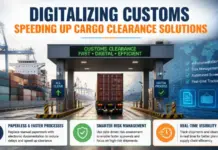
The logistics industry has long been burdened by a staggering volume of physical documentation, from bills of lading to customs invoices. Digital freight platforms are leading the charge in the digitization of this paperwork. By centralizing all documents in a secure cloud environment, the platforms ensure that the right information is always accessible to the right people, regardless of their location. This not only speeds up the customs clearance process but also significantly reduces the risk of lost or incorrect documents. Furthermore, the integration of automated financial settlements is a major benefit. Once a delivery is verified by the platform’s tracking system, payments can be triggered automatically, reducing the payment cycles from months to days. This improved cash flow is a vital lifeline for smaller carriers and helps to create a more stable and predictable financial environment for the entire supply chain.
Future Trends: Synchromodality and Marketplace Expansion
As we look toward the future, the evolution of digital freight platforms will be characterized by the rise of synchromodality. This concept takes multimodal transport to the next level by allowing for real-time mode switching during the journey based on the latest data. For example, a platform could decide to move a shipment from rail to road mid-trip if a weather delay is detected, without requiring any manual intervention from the shipper. Additionally, we are seeing these platforms expand into complementary services, such as cargo insurance, trade finance, and carbon offset programs. The goal is to create a comprehensive one-stop-shop for global trade, where every aspect of the freight journey is managed through a single digital ecosystem. As the technology continues to mature, the distinction between a software provider and a logistics company will continue to blur, leading to a more integrated and intelligent global marketplace.
The rise of digital freight platforms represents a fundamental modernization of the world’s most critical industry. By bringing the power of data, algorithms, and digital connectivity to multimodal logistics, these platforms are making trade more accessible, efficient, and sustainable. For the global economy, the increased transparency and reduced friction offered by these digital tools are a primary catalyst for growth and resilience. As the industry continues to embrace digitization, the old ways of manual coordination will become a thing of the past. The future of freight is digital, and the platforms that are building that future today will be the leaders of the global logistics landscape tomorrow. Transport Advancement sees that in an era where speed and visibility are paramount, the digital freight marketplace is the ultimate tool for success.
