












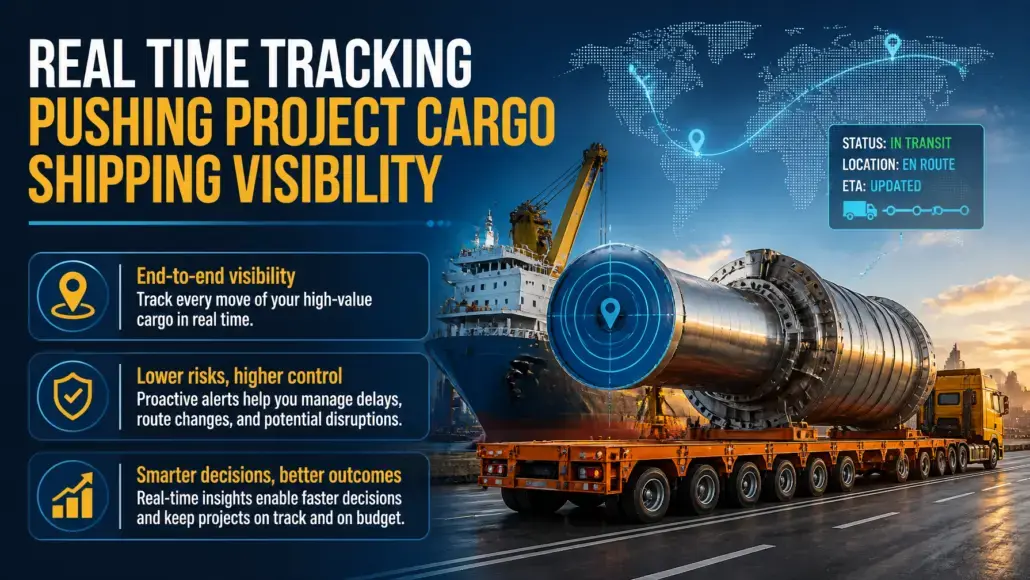
The logistics sector for oversized and high value industrial assets is entering a new era of digital transparency. For decades, the movement of massive components was often shrouded in uncertainty once the cargo left the port or factory gates. However, the complexity and astronomical costs of modern industrial projects now demand a much higher level of precision and accountability. Transport Advancement observes that real time tracking for project cargo implementation has transitioned from a premium, optional service to an essential requirement for global engineering, procurement, and construction firms.
As of early 2026, the technology underlying these tracking systems has matured significantly, moving beyond simple GPS coordinates. Low earth orbit satellite constellations and advanced internet of things sensors now provide continuous, high bandwidth connectivity even in the most remote regions of the world.
Overcoming the Visibility Gap in Heavy Lift Logistics
Traditional tracking methods often relied on periodic updates from drivers or ship captains, which left significant gaps in data that could span days. These gaps in the supply chain can be disastrous for project cargo, where a minor delay in a single critical component can halt a multi billion dollar construction project. WiseTech Global addressed this in February 2026 by launching a dedicated project cargo module within its CargoWise platform. This new tool allows for the seamless integration of sensor data directly into the freight forwarding workflow, ensuring that all stakeholders have access to real time updates on cargo status.
Modern internet of things (IoT) sensors are designed to be extremely durable, capable of withstanding the harsh environments found on the deck of a heavy lift ship:
- Customizable Threshold Alerts: Sensors can be configured with shipment-specific tolerance limits, triggering instant notifications if structural thresholds are breached.
- Proactive Quality Control: Early detection ensures potentially compromised components are flagged immediately before moving downstream.
- Significant Cost Mitigation: Catching structural defects in transit prevents the massive logistical and financial expense of discovering failures post-installation at remote sites.
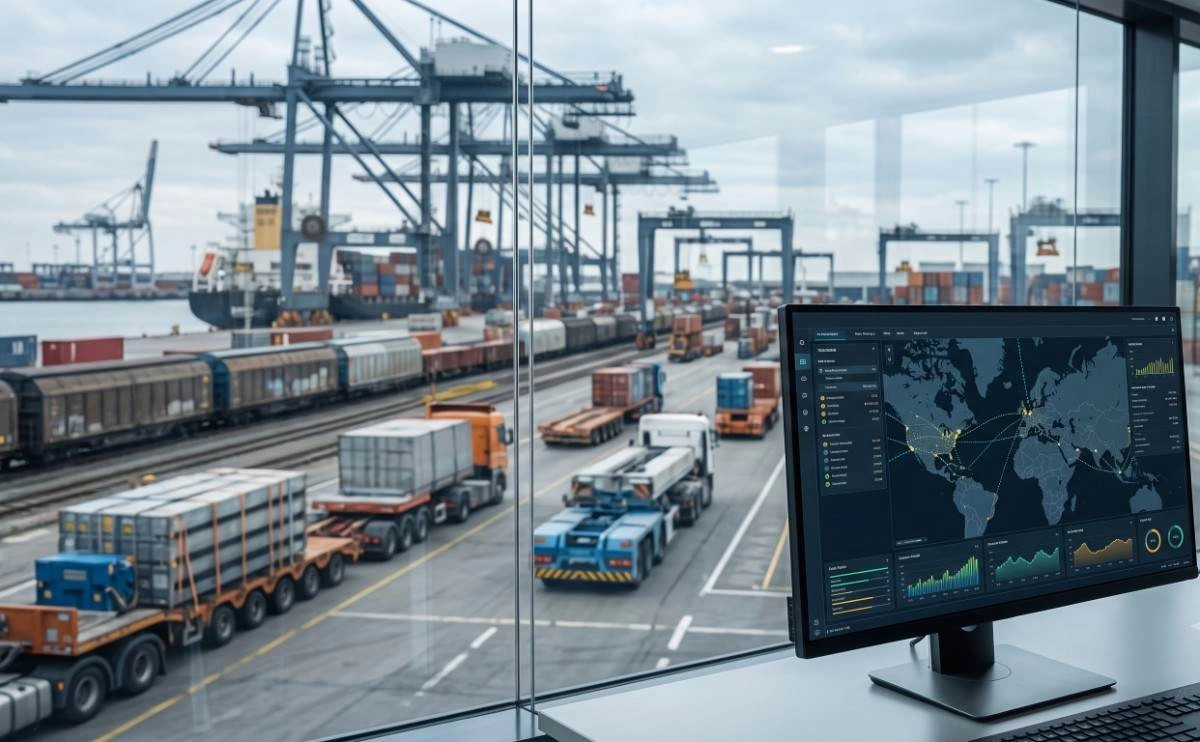
Kuehne and Nagel demonstrated the impact of these technologies in their July 2026 earnings report. The company highlighted that its investments in digital logistics solutions and specialized control towers helped drive strong second quarter results. By offering clients a unified digital dashboard that aggregates data from thousands of sensors, they have reduced the administrative burden of tracking complex shipments across multiple modes of transport. This level of transparency allows project managers to make informed, data driven decisions about resource allocation and site readiness, ultimately reducing the total cost of ownership.
Integration with Multi Modal and Satellite Networks
Project cargo rarely stays on a single mode of transport for its entire journey, often undergoing multiple transfers that represent significant risk points. It typically moves from a factory to a specialized truck, then to a barge, onto a deep sea ship, and back onto a specialized trailer. Implementing real time tracking for project cargo implementation requires a system that can bridge these transitions seamlessly. Maersk expanded its project logistics tracking capabilities in late 2025 by integrating satellite based tracking tags across its specialized vessel fleet, ensuring that cargo is visible even in the middle of the ocean.
The emergence of low earth orbit satellite networks has solved the problem of maritime and remote area connectivity. Previously, tracking devices would often lose signal once a vessel moved beyond the range of terrestrial cellular towers. Now, devices can switch automatically to satellite links, ensuring that the breadcrumb trail of the cargo is never broken. This is particularly important for high value shipments that must cross high risk areas where security monitoring is a top priority for project owners and insurers.
In February 2026, DSV noted that its ongoing integration with DB Schenker would focus heavily on creating unified digital platforms. A central part of this strategy is the rollout of standardized, sensor based tracking hardware across their combined heavy lift fleets. This ensures that whether a cargo is moving by rail in Europe or by specialized ocean carrier in the Pacific, the client receives the same high quality, real time data stream. This standardized approach is crucial for large scale energy projects that span multiple continents and involve dozens of different transport providers.
The Role of Blockchain and Data Integrity
As the amount of data generated by tracking systems increases, the industry is looking for ways to ensure its integrity and security. DHL Global Forwarding announced in May 2026 that it had successfully completed a pilot project using blockchain to secure the tracking data for a series of massive gas turbines. By recording sensor data and timestamps on a secure digital ledger, the company provided an indisputable record of the cargo’s condition throughout its journey. This level of data integrity is invaluable for insurance purposes and warranty claims.
This level of transparency is beginning to influence how marine insurance is priced and managed. Marine insurers are exploring dynamic risk pricing based on real time tracking data. If a logistics provider can prove, through verified sensor data, that a cargo was handled within safe parameters and followed a secure route, they may be eligible for lower premiums. Conversely, the data can be used to quickly identify the party responsible in the event of an incident, significantly speeding up the claims settlement process.
Furthermore, cybersecurity has become a major concern as tracking systems become more integrated:
- Protection of High-Value Asset Data: Tracking and condition metrics for multi-billion-dollar industrial equipment represent highly sensitive intellectual and operational data.
- Advanced Cyber Infrastructure: Top logistics operators are deploying end-to-end encryption and hardened cloud environments to prevent unauthorized access.
- Balanced Access & Threat Defense: Systems provide real-time operational visibility to vetted stakeholders while guarding against external cyber threats.
- Supply Chain Continuity: Safeguarding critical data environments prevents disruptions, preserving the resilience and integrity of global supply chains.
Enhancing Safety, Risk Management, and Sustainability
Safety is the highest priority in the heavy lift industry, where a single incident involving a super heavy load can cause catastrophic damage to infrastructure. Real time tracking for project cargo implementation plays a vital role in risk mitigation by providing constant monitoring of the transport environment. If a specialized trailer deviates from its planned route or if a vessel encounters severe weather conditions, the tracking system provides immediate situational awareness to the global operations center, allowing for rapid intervention.
This visibility also allows for better monitoring of carbon footprints, supporting the adoption of sustainable practices in heavy lift cargo operations. By optimizing routes and reducing idle time at ports or border crossings, companies can significantly lower the fuel consumption of their transport assets. The ability to provide verified emissions data for every shipment is now a significant differentiator in contract tenders. Major energy firms are increasingly requiring their logistics partners to provide this level of detail to support their own corporate sustainability goals.
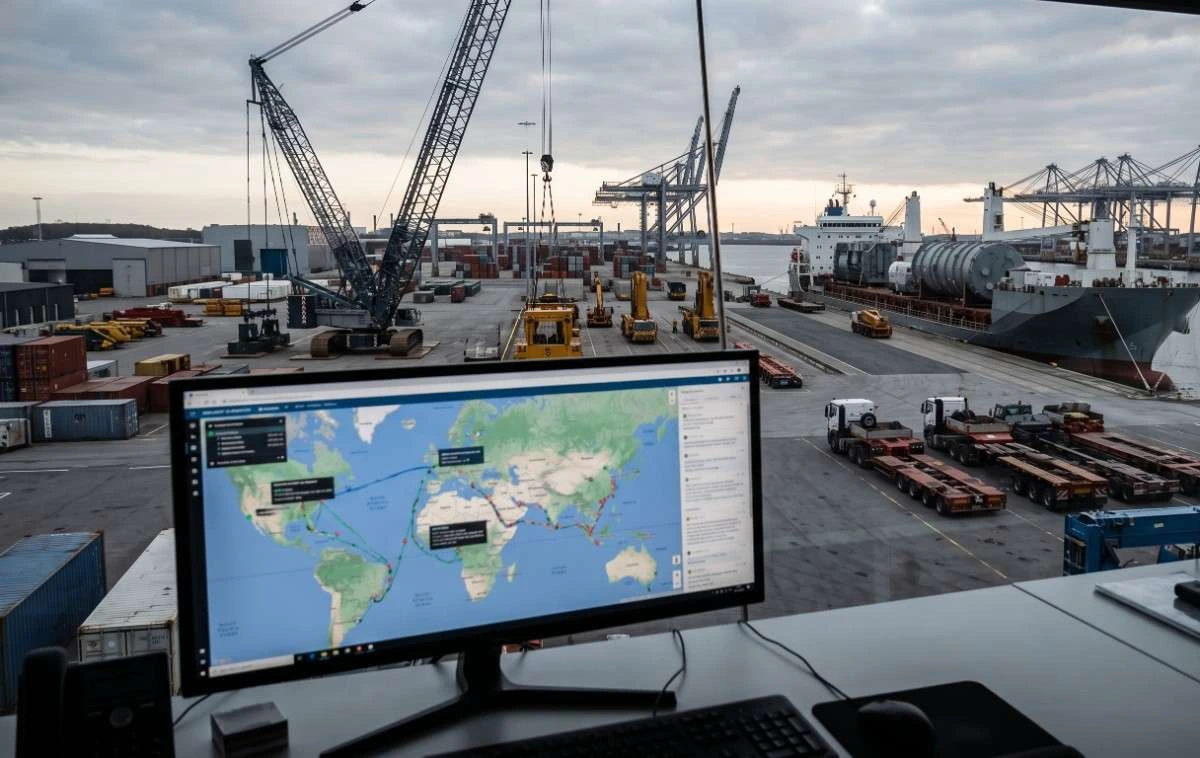
The data generated by tracking systems is also being used to improve the design of future transport equipment. By analyzing the shocks and vibrations experienced by cargo during transit, engineers can design more effective seafastening systems and more resilient specialized trailers. This closed loop of data and engineering leads to a continuous improvement in the safety and efficiency of the entire industry, reducing the overall risk profile of massive industrial projects.
The Future of Autonomous Monitoring and AI Analytics
Looking forward, the next phase of tracking will involve the deep integration of artificial intelligence and machine learning analytics. These systems will not only report where a cargo is but will also predict potential delays before they occur. By analyzing historical traffic patterns, global weather forecasts, and real time port congestion data, AI can suggest alternative routes in real time. This proactive approach to logistics will further increase the reliability of project cargo movements.
Furthermore, the growing drone market is offering new ways to monitor cargo in transit. Drones can be used to perform high resolution aerial inspections of cargo while at sea or in remote inland locations. This combination of satellite tracking, terrestrial sensors, and aerial monitoring provides a truly comprehensive view of the supply chain. As these technologies continue to converge, Transport Advancement believes the implementation of real time tracking for project cargo will remain at the heart of the industry’s digital transformation.
References
- “Project Logistics Market Size, Share | Growth Report [2034]” – Fortune Business Insights
- “WiseTech Global Launches Dedicated Project Cargo Module” – WiseTech Global News
- “Earnings call transcript: Kuehne + Nagel lifts 2026 outlook after strong Q2” – Investing.com
- “Maersk Expands Satellite-Based Tracking for Project Logistics” – Maersk Newsroom
- “DSV moves to transform its business as Schenker integration accelerates” – Journal of Commerce
- “DHL Global Forwarding Pilots Blockchain for Gas Turbine Logistics” – DHL Press Release
- “DP WORLD REPORTS RECORD $24.4 BN REVENUE AND $6.4BN EBITDA FOR 2025” – DP World
