








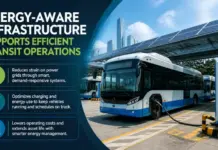





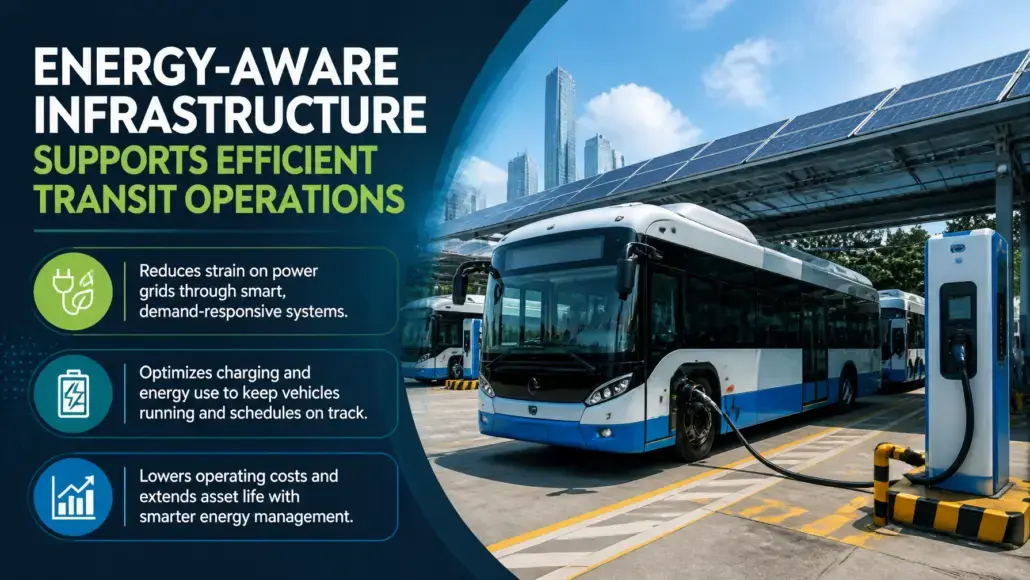
The unprecedented shift toward the electrification of public transport is placing immense pressure on urban power grids and operational frameworks. As transit agencies globally retire their diesel fleets in favor of zero-emission alternatives, the focus has shifted from the vehicles themselves to the systems that sustain them. The modern era of public transport is defined by how effectively energy aware infrastructure can be integrated into the daily workflow of bus and rail networks. This integration is no longer just an environmental aspiration. It is a critical requirement for maintaining operational reliability and financial sustainaability in a post-carbon world. Transport Advancement notes that by aligning energy procurement, distribution, and consumption with the specific demands of transit schedules, agencies can unlock a level of efficiency that was previously unattainable.
The Strategic Convergence of Energy Management and Mobility
For decades, energy management and transit operations existed in silos. Power was viewed as a utility to be consumed as needed, with little regard for the complexities of the electrical grid or the fluctuating costs of generation. However, the mass adoption of battery-electric buses (BEBs) has made energy a primary operational constraint. A modern bus depot can now require as much power as a small industrial park, necessitating a fundamental redesign of depot facilities. This is where energy aware infrastructure becomes the linchpin of the system. It represents the strategic convergence of high-capacity charging hardware, smart grid communication protocols, and sophisticated energy management software.
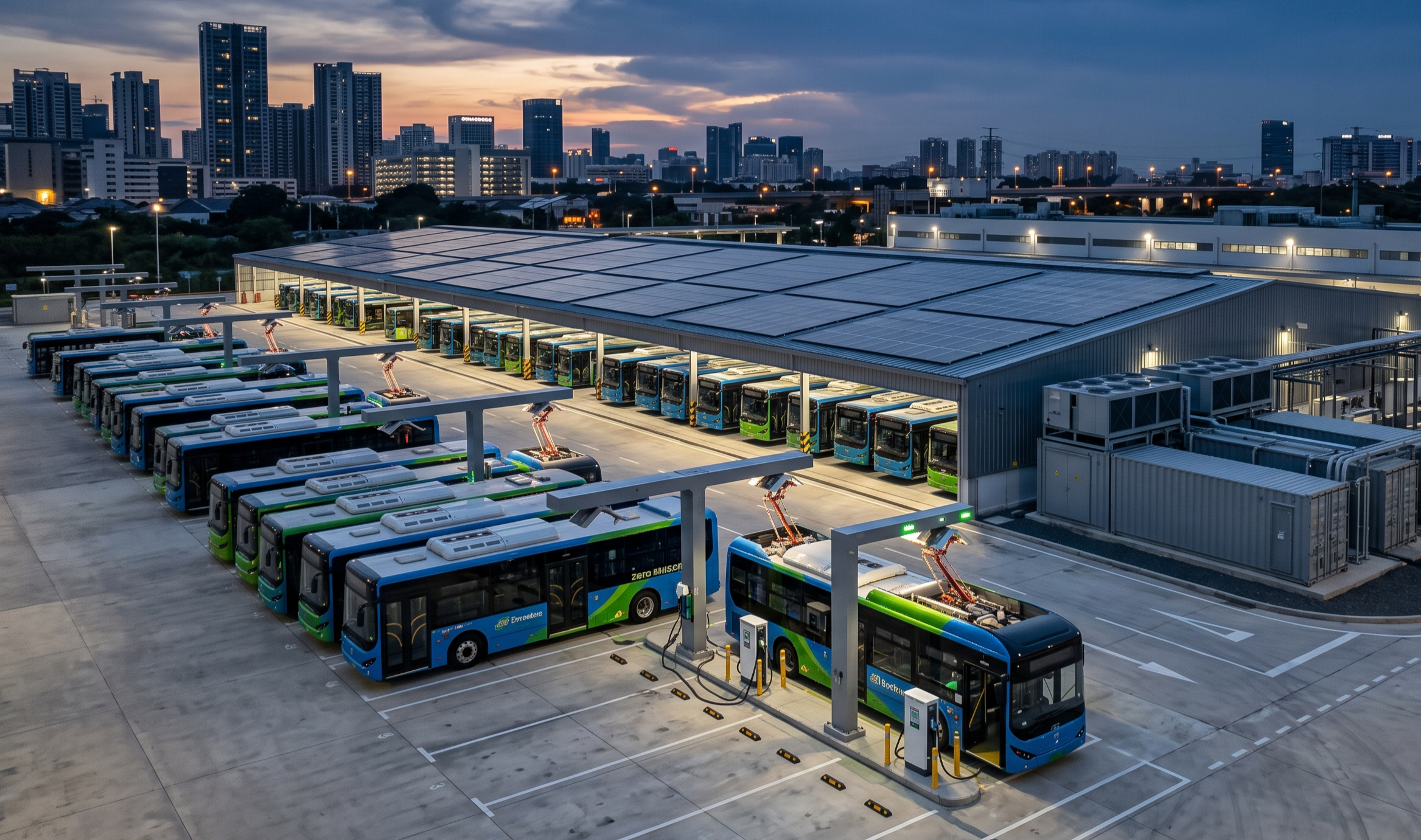
The primary goal of energy aware infrastructure is to ensure that vehicles are sufficiently charged for their scheduled routes without overwhelming the local grid or incurring exorbitant peak-demand charges. Achieving this balance requires a deep understanding of the relationship between battery chemistry, topography, ambient temperature, and driving behavior. By treating energy as a finite, manageable resource rather than an unlimited utility, transit agencies can significantly reduce their Total Cost of Ownership (TCO) while enhancing the resilience of their services.
Optimizing Depot Power Loads through Intelligent Charging
The implementation of energy aware infrastructure begins at the depot level. Traditional plug-and-forget charging methods are highly inefficient for large fleets, as they often lead to simultaneous high-power draws that can trigger significant penalties from utility providers. Smart charging systems, an integral part of energy aware transit infrastructure, allow for the sequential and throttled delivery of power based on the specific needs of each vehicle. If a bus is scheduled for a late-morning departure, the system can delay its charging cycle until the early hours of the morning when electricity prices are lower and grid demand is minimal.
This load-balancing capability is essential for avoiding the costly infrastructure upgrades that would otherwise be required to handle peak loads. Furthermore, energy aware infrastructure enables opportunity charging at terminal points along a route. High-power pantograph or induction systems can provide rapid top-ups during driver breaks, extending the range of the vehicle and reducing the size—and therefore the weight and cost—of the onboard battery. This distributed energy model ensures that the transit network remains agile and responsive to real-time operational challenges.
Grid Integration and the Rise of Vehicle-to-Grid (V2G) Systems
A truly sophisticated energy aware infrastructure does not just take from the grid. It actively contributes to it. The concept of Vehicle-to-Grid (V2G) technology transforms transit fleets into massive mobile batteries that can provide stabilization services to the local utility. During periods of peak demand, or when renewable energy generation is low, connected buses can discharge a portion of their stored energy back into the grid, helping to prevent blackouts and reducing the need for peaker plants. In return, transit agencies can generate revenue, effectively turning their fuel source into a profit center.
This symbiotic relationship between transit and the grid is the cornerstone of energy aware infrastructure. It allows for a more efficient utilization of renewable energy sources, such as solar and wind, which are inherently variable. By storing excess renewable energy during the day and using it to power the transit network or the grid at night, energy aware transit infrastructure plays a pivotal role in the broader energy transition. This level of systemic integration requires advanced communication standards, such as ISO 15118, which facilitate the seamless exchange of data and power between the vehicle and the infrastructure.
Enhancing Operational Resilience through Microgrids
In an era of increasing climate volatility and cyber-threats, the resilience of transit operations is paramount. Energy aware infrastructure often incorporates the development of depot-based microgrids, which combine onsite renewable generation, stationary energy storage, and smart control systems. These microgrids allow a depot to operate independently of the main grid during an outage, ensuring that critical transit services can continue uninterrupted. This is particularly vital for emergency evacuation scenarios where public transport is a lifeline for the community.
The use of stationary storage, often utilizing second-life batteries retired from old buses, provides an additional layer of efficiency. These batteries can capture solar energy during the day and discharge it during peak charging hours, further smoothing the load on the grid. This circular economy approach to battery management is a key component of a comprehensive energy aware infrastructure strategy. It minimizes waste and maximizes the value extracted from every kilowatt-hour.
The Role of Digital Twins in Energy Optimization
The complexity of managing a large-scale electrified transit network requires sophisticated digital tools. Digital twins, virtual replicas of the physical energy aware infrastructure, allow planners to simulate various operational scenarios and their impact on energy consumption. By integrating real-time data from vehicle telematics, weather forecasts, and grid pricing, these digital twins can predict energy demand with remarkable accuracy. This allows for the preemptive adjustment of charging schedules and route assignments to optimize for energy efficiency.
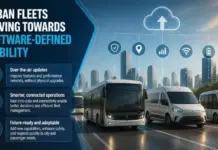
For example, a digital twin might identify that a particular route is consuming 15% more energy than expected due to traffic congestion or extreme heat. The energy aware infrastructure management system can then respond by assigning a vehicle with a larger battery capacity or adjusting the mid-route charging schedule. This level of data-driven decision-making ensures that transit operations remain efficient even in the face of unpredictable variables. It represents the final transition from traditional transport management to software-defined mobility.
Economic Viability and the Future of Sustainable Transit
While the initial capital investment in energy aware infrastructure can be substantial, the long-term economic benefits are undeniable. Reduced fuel and maintenance costs, combined with new revenue streams from grid services, provide a compelling ROI for municipalities and private operators. Moreover, the environmental benefits—reduced noise pollution and zero tailpipe emissions—contribute to a higher quality of life in urban areas, attracting more residents and businesses.
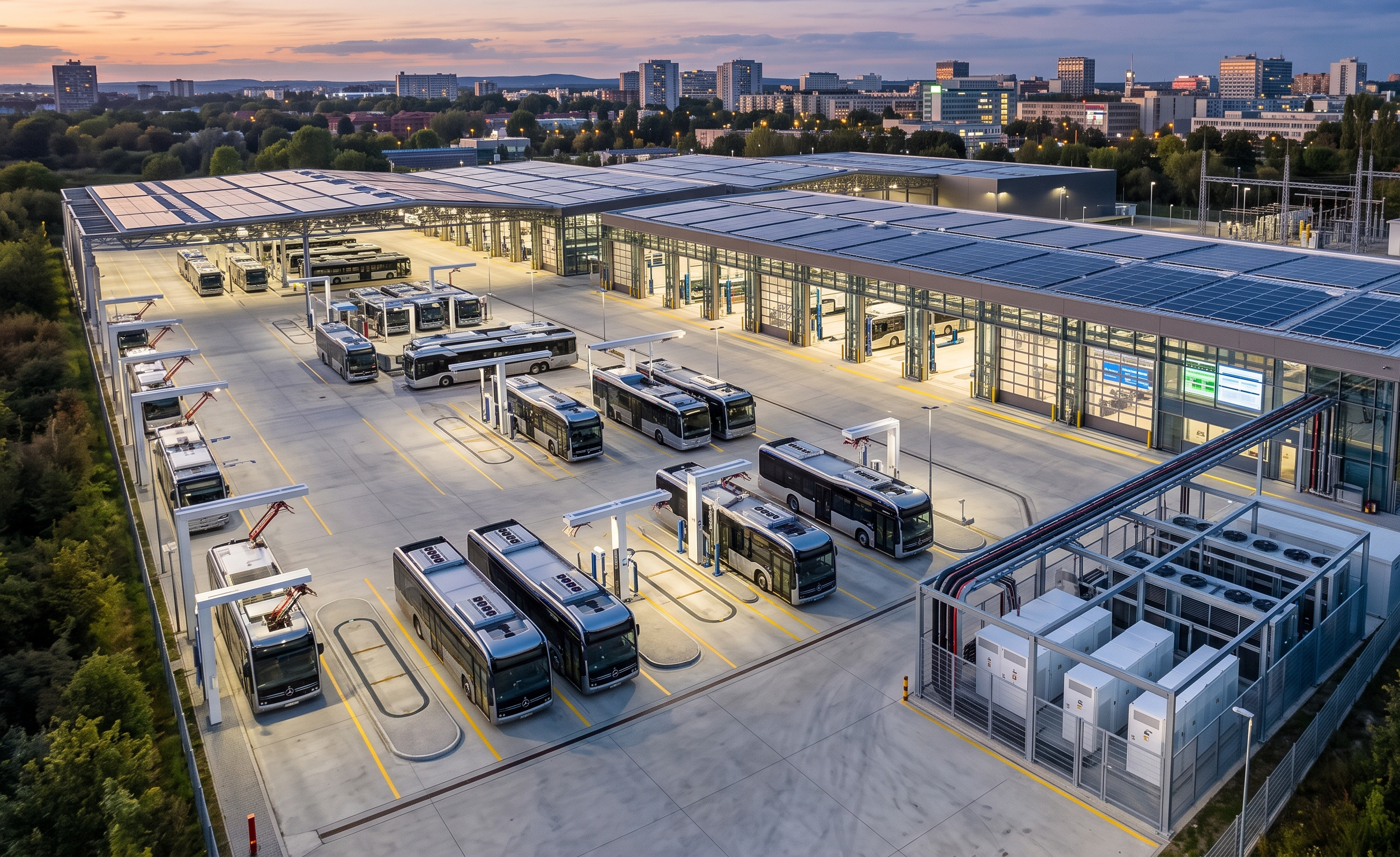
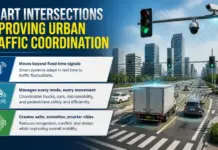
As technology continues to evolve, we can expect energy aware infrastructure to become even more integrated and autonomous. The development of megawatt-level charging standards and the potential for wireless dynamic charging will further enhance the efficiency of transit operations. The goal is a world where energy and mobility are two sides of the same coin, working in harmony to create a cleaner, more efficient, and more resilient urban future. Furthermore, energy aware infrastructure are making transit operations just as efficient as other methods such as smart intersections.
Role of Public-Private Partnerships
The massive scale of energy aware infrastructure deployment necessitates a new model of collaboration between the public and private sectors. Transit agencies, while experts in mobility, are often not equipped to manage the complexities of energy markets or electrical engineering at scale. As a result, many cities are turning to Infrastructure as a Service (IaaS) models, where private energy firms design, build, and maintain the charging infrastructure in exchange for a long-term service fee. This approach transfers the technical and financial risk to the private sector while allowing the transit agency to focus on its core mission of moving people.
Addressing the Challenges of Grid Capacity and Upgrades
One of the primary hurdles to the widespread adoption of energy aware infrastructure is the limited capacity of existing urban electrical grids. In many cities, the substations serving transit depots were never designed to handle the megawatt-level loads required for large-scale bus electrification. Upgrading this infrastructure can be both time-consuming and prohibitively expensive, with costs often running into the tens of millions of dollars. To navigate this challenge, agencies are increasingly looking toward behind-the-meter solutions, such as high-capacity battery storage and onsite solar generation.
By storing energy during off-peak hours, transit depots can act as a buffer for the grid, reducing the need for costly upgrades. Furthermore, energy aware infrastructure can be designed to participate in demand-response programs, where the agency is paid by the utility to reduce its load during periods of grid stress. This not only improves the ROI of the infrastructure but also helps to stabilize the broader energy system. The key is to view the transit depot not just as a consumer of energy, but as a strategic participant in the energy market. This mental shift is essential for the long-term viability of electrified public transport.
The investment we make today in energy aware infrastructure is the foundation upon which the cities of tomorrow will be built. As we move closer to a fully decarbonized transport sector, the synergy between energy and mobility will become the defining characteristic of the modern metropolis. Transport Advancement believes that by embracing the principles of data-driven energy management and cooperative grid integration, we can create a transit system that is not only clean and efficient but also inherently resilient and financially sustainable. The transition is complex, but the rewards for the environment, the economy, and the community are well worth the effort. The future of transit is powered by intelligence, and that intelligence is built into every kilowatt-hour of energy aware infrastructure.
