






















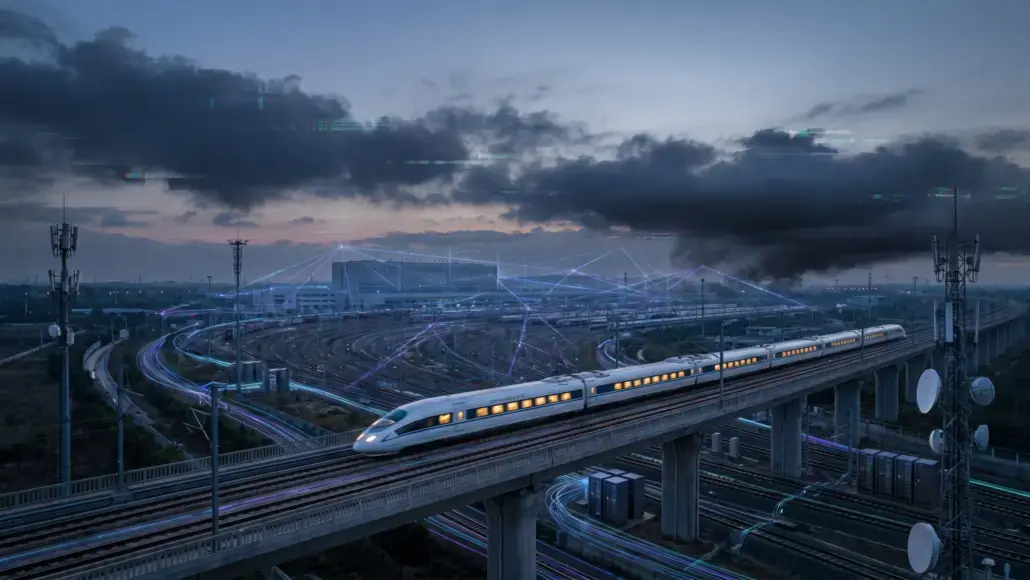
The rhythmic hum of a train gliding on its tracks once evoked an image of sheer mechanical prowess, a testament to industrial age engineering. Today, that image is augmented by an invisible yet omnipresent network of data, signals, and intelligent systems. The rail industry has embarked on a profound digital transformation, integrating sophisticated IT and operational technology (OT) to enhance efficiency, safety, and the passenger experience. However, this interconnectedness, while offering unparalleled advantages, concurrently ushers in a new era of vulnerabilities, presenting significant rail cybersecurity challenges in connected railway networks. Transport Advancement understands that this intricate landscape demands a comprehensive understanding of the evolving threats and a proactive, resilient approach to security.
An Evolving Threat Landscape in Connected Rail Networks
The transition from isolated, proprietary systems to open, internet-connected architectures has fundamentally reshaped the threat profile for railways. What were once theoretical vulnerabilities are now concrete entry points for malicious actors. The sheer complexity of modern railway infrastructure, encompassing everything from signaling systems and telecommunications to passenger information displays and ticketing platforms, creates a vast attack surface.
The Confluence of IT and OT: A New Battleground
Historically, operational technology (OT) systems – those responsible for controlling physical processes like trains, tracks, and power – were air-gapped, distinct from enterprise IT networks. This segregation provided a de facto layer of security. However, the drive for efficiency, predictive maintenance, and real-time data analytics has led to a blurring of these lines. IT and OT convergence means that vulnerabilities in one domain can now propagate to the other, creating systemic risks. A breach originating in a corporate IT network, for instance, could potentially pivot to critical OT systems, disrupting train movements or even compromising safety. This convergence is at the heart of many railway cybersecurity challenges.
Legacy Systems and Interoperability Gaps
Many existing rail systems rely on decades-old technology, often designed without contemporary cybersecurity principles in mind. These legacy systems, while robust in their original context, lack modern security controls, patching mechanisms, and cryptographic capabilities. Integrating these outdated components into newer, connected environments creates inherent vulnerabilities. Furthermore, the interoperability required across different vendors and generations of technology introduces additional gaps, making it difficult to implement uniform security policies and robust rail network security protocols across the entire infrastructure. This patchwork of old and new, proprietary and open, significantly complicates efforts to maintain a cohesive security posture.
The Proliferation of IoT and Its Security Implications in Rail
The Internet of Things (IoT) is rapidly permeating every aspect of rail operations, from smart sensors monitoring track conditions and predictive maintenance on rolling stock to intelligent signaling and station management systems. While these innovations promise unprecedented levels of automation and data-driven insights, they simultaneously introduce a new frontier of railway cybersecurity challenges.
Expanding the Attack Surface with Every Connected Device
Each IoT device, from a low-power sensor to a sophisticated network camera, represents a potential entry point for attackers. These devices often have limited processing power, making it difficult to implement robust security features. Default credentials, unpatched firmware, and insecure communication protocols are common weaknesses that cybercriminals can exploit. An attacker gaining control of even a seemingly innocuous sensor could potentially leverage it to move laterally within the network, access critical data, or even interfere with operational systems. The sheer volume and diversity of IoT devices make their comprehensive security management a daunting task for rail cybersecurity teams.
Data Integrity and Availability: Critical for Rail Safety
The integrity of data transmitted by IoT devices is paramount for rail safety and cybersecurity. Corrupted sensor readings could lead to incorrect operational decisions, while denial-of-service attacks targeting connectivity could disrupt critical communication between trains and control centers. Ensuring the authenticity, confidentiality, and integrity of this data, from its point of origin to its consumption, is a foundational requirement for safe and reliable rail operations.
Understanding and Counteracting Emerging Railway Cyber Threats
The adversary landscape is dynamic, with threat actors constantly refining their tactics, techniques, and procedures. For the rail industry, Transport Advancement highlights that understanding these evolving threats is the first step towards effective defense.
Advanced Persistent Threats (APTs)
Nation-state actors and sophisticated criminal organizations often engage in Advanced Persistent Threats (APTs). These highly motivated and well-resourced groups typically seek long-term access to critical infrastructure, including rail networks, for espionage, sabotage, or to extort significant ransoms. APTs are characterized by their stealth, persistence, and ability to evade traditional security defenses, making them a formidable railway cyber threat. They might exploit supply chain vulnerabilities, employ sophisticated social engineering tactics, or leverage zero-day exploits to gain initial access and establish a persistent foothold.
Ransomware and Extortionware
Ransomware attacks have become an increasingly prevalent and destructive threat across all sectors, and rail is no exception. These attacks involve encrypting critical systems and data, demanding a ransom for their release. For an industry reliant on operational continuity, the prospect of hijacked signaling systems or incapacitated control centers is catastrophic. The impact extends beyond financial costs, encompassing severe operational disruption, reputational damage, and even public safety risks. Effective backup strategies, robust incident response plans, and comprehensive railway threat detection are crucial to mitigate these risks.
Implementing Robust Security Frameworks: Zero Trust and Beyond
Addressing the myriad cybersecurity challenges in connected railway networks requires more than just reactive measures. It demands a proactive, architectural shift in security philosophy.
Embracing Zero Trust Architecture for Rail Infrastructure Protection
The traditional “castle-and-moat” security model, where strong perimeter defenses guard a trusted internal network, is increasingly obsolete in today’s interconnected world. Zero Trust security operates on the principle of “never trust, always verify.” Every user, device, and application attempting to access resources, regardless of whether it’s inside or outside the traditional network perimeter, must be authenticated and authorized. This approach is particularly potent for rail infrastructure protection, where a single compromised credential or device could have far-reaching consequences. Implementing zero trust rail security involves micro-segmentation, continuous verification of identities, and least-privilege access, significantly reducing the lateral movement capabilities of attackers.
Advanced Threat Detection and Incident Response
Given the sophistication of modern railway cyber threats, robust threat detection capabilities are indispensable. This includes implementing Security Information and Event Management (SIEM) systems, network intrusion detection/prevention systems (IDS/IPS), and Endpoint Detection and Response (EDR) solutions. The ability to aggregate, analyze, and correlate security events across diverse IT and OT environments allows security teams to identify anomalies and potential threats in real-time. Crucially, detection must be paired with an effective and well-rehearsed incident response plan. A swift and coordinated response can significantly limit the impact of a breach, restore operations, and facilitate post-incident analysis and recovery.
The Path Forward: A Holistic Approach to Rail Network Security
Transport Advancement believes that securing global rail operations against the escalating cybersecurity challenges in connected railway networks necessitates a multi-faceted and continuous effort. It’s not merely a technological problem but a strategic imperative that encompasses people, processes, and technology.
Regulatory Compliance and International Collaboration
The criticality of rail infrastructure often places it under stringent regulatory scrutiny. Adhering to standards such as NIST Cybersecurity Framework, IEC 62443, and sector-specific regulations is essential. Beyond compliance, international collaboration among rail operators, cybersecurity experts, and government bodies is vital. Sharing threat intelligence, best practices, and lessons learned can collectively strengthen the resilience of the global rail network against common adversaries.
Culture of Cybersecurity and Continuous Training
Technology and policies alone are insufficient without a strong cybersecurity culture. Human error remains a significant factor in many breaches. Continuous training for all staff, from front-line operators to senior management, on topics like phishing awareness, secure practices, and incident reporting, is critical. Developing a workforce that understands their role in maintaining rail safety and cybersecurity creates a formidable first line of defense.
Supply Chain Security and Vendor Risk Management
The interconnected nature of modern rail extends to its vast supply chain. Components, software, and services from numerous third-party vendors are integrated into rail systems. A vulnerability introduced at any point in the supply chain can become a critical weakness for the entire network. Robust vendor risk management programs, including thorough security assessments and contractual obligations, are essential to mitigate this exposure.
In conclusion, the journey of digital transformation within the rail industry, while transformative, is undeniably fraught with significant cybersecurity challenges in connected railway networks. From the inherent vulnerabilities of legacy operational technology to the expanded attack surface presented by IoT and the ever-present threat of sophisticated cyber-attacks, the stakes for rail safety and operational continuity have never been higher. By embracing a strategic approach centered on zero trust principles, investing in advanced threat detection, fostering a robust cybersecurity culture, and prioritizing continuous adaptation, the rail industry can not only navigate these challenges but also forge a future where innovation and security move forward in tandem, ensuring reliable and secure passage for all.
