







Syria’s ambitious Four Seas Initiative, a project designed to position the nation as a central hub for energy, transportation, and trade, has recently captured renewed attention. This initiative was the focus of a policy discussion event held in Washington, which brought together Syrian officials, energy specialists, and regional analysts to explore its potential.
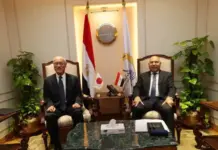
During the event, hosted by the New Lines Institute, Syria’s chargé d’affaires in Washington, Mohammad Kanatri, presented the Four Seas Initiative as a comprehensive strategy for re-establishing Syria’s connections with regional and international markets. This comes after years marked by conflict, isolation, and sanctions. Kanatri emphasized Syria’s objective to foster connection rather than division among countries.
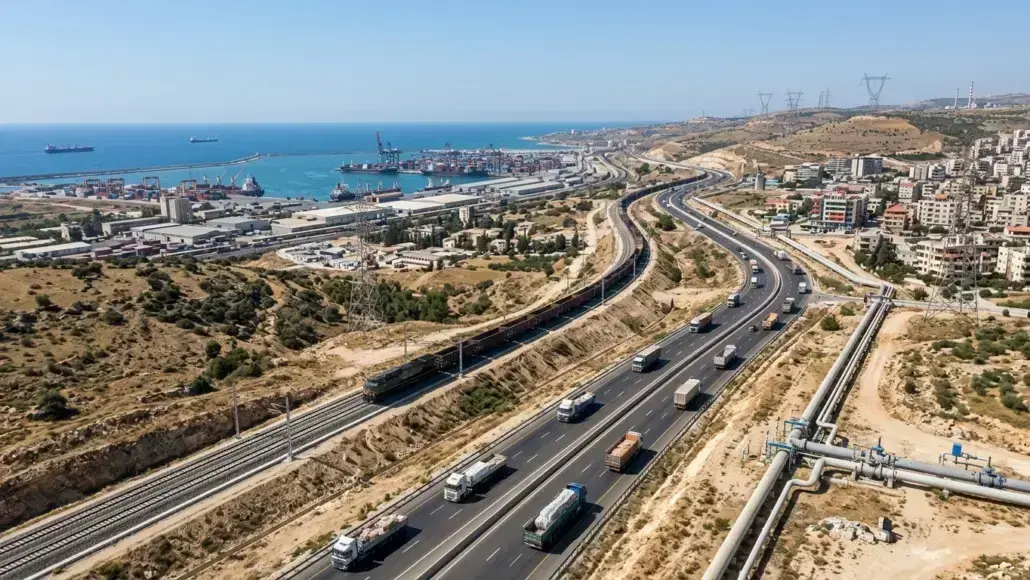
The core of the Four Seas Initiative involves enhancing regional infrastructure. This includes the development of pipelines, electricity interconnections, railway networks, and communication links designed to span the Mediterranean, the Gulf, the Black Sea, and the Caspian region. Kanatri highlighted that Syria’s strategic geographic location, which was once perceived as a disadvantage due to conflict and political isolation, could now serve as a significant economic asset.
This proposal emerges as Syria actively seeks foreign investment and endeavors to reconstruct its economy, which has been severely impacted by over a decade of war. Syrian officials have increasingly prioritized infrastructure development and regional integration as key components of their economic recovery strategy. The focus on developing robust trade corridors and exploring post-sanctions opportunities is central to this plan.
Kanatri pointed to recent developments that support the initiative’s goals. These include the commencement of oil shipments via truck from Iraq to Syria, the operational status of a gas pipeline connecting Kilis in Türkiye with Aleppo, and ongoing discussions regarding the potential revival of the historical Kirkuk-Baniyas oil pipeline. He further noted that escalating geopolitical tensions impacting maritime energy routes have underscored the importance of alternative land-based transit options across the Middle East.
The initiative garnered support from several attendees at the event, who recognized Syria’s geographic position as a potentially vital link between major regional markets. Azeem Ibrahim, Director of Special Initiatives at the New Lines Institute, stated that Syria’s location positions it to become a significant regional energy hub. He described the Four Seas Initiative as a framework for enhanced regional energy cooperation, involving Syria, Iraq, Türkiye, and other neighboring nations. “With the geopolitical landscape shifting, it is now time to take this more seriously and secure support from countries like the United States and Europe behind such initiatives to help rebuild Syria,” Ibrahim added.
