











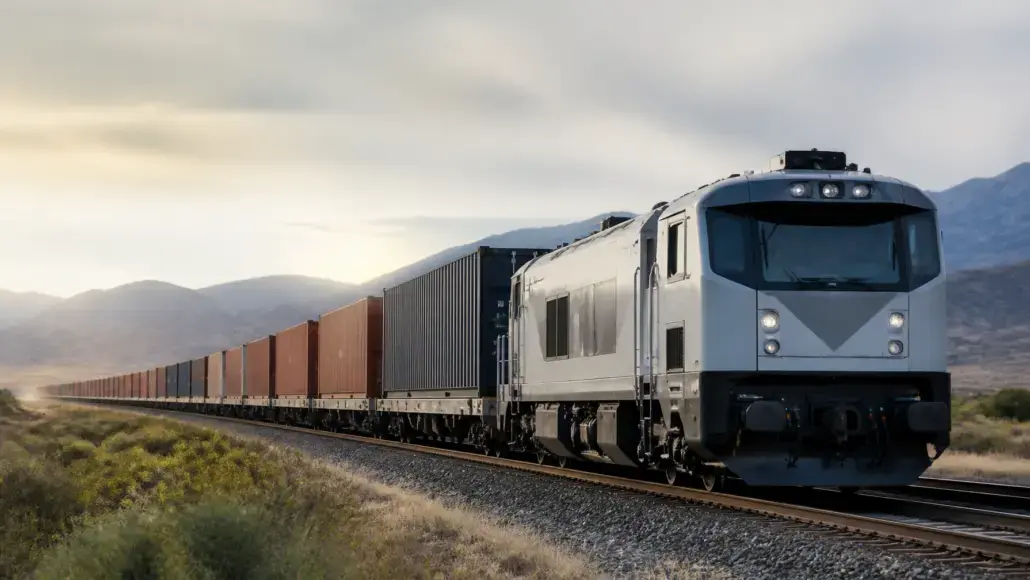
The global logistics sector is currently facing a set of unprecedented challenges, including severe driver shortages in the trucking industry, rising fuel costs, and an urgent need to decarbonize long-haul transportation. While heavy-duty trucking has long been the dominant mode for flexible freight movement, the limitations of road-based transport are becoming increasingly apparent. In this context, the rail sector is undergoing a quiet revolution: the move toward autonomous rail freight. By integrating self-driving freight wagons that can operate independently or in virtually coupled platoons, the industry is poised to reclaim its position as the most efficient and sustainable mode of land-based logistics. This shift represents a fundamental rethinking of rail operations, moving away from massive, inflexible trains and toward a nimble, on-demand, and fully automated freight ecosystem.
The technical core of autonomous rail freight lies in the development of self-propelled, battery-electric freight cars. Unlike traditional rail freight, which relies on a massive, energy-intensive locomotive to pull hundreds of passive wagons, self-driving freight wagons are equipped with their own electric powertrains, braking systems, and onboard intelligence. This allows for point-to-point delivery, where individual wagons or small groups can be dispatched directly to a customer’s siding or a small regional terminal without the need for the time-consuming and labor-intensive process of marshalling and shunting at traditional yards. Transport Advancement notes that by eliminating the reliance on massive locomotives, autonomous rail freight can operate on smaller branch lines and in industrial zones that were previously underserved by rail, effectively competing with trucking for middle-mile logistics.
Perception, Control, and the Role of Digital Automatic Coupling
For autonomous rail freight to operate safely on shared or open tracks, each self-driving wagon must possess an advanced perception system that rivals the most sophisticated autonomous vehicles. This typically includes a fusion of 3D LiDAR, millimeter-wave FMCW radar, and high-definition optical/thermal cameras, providing the onboard AI with a continuous, 360-degree view of its surroundings. Because rail vehicles have much longer braking distances than road vehicles, these sensors must be capable of detecting obstacles, track switch misalignments, and right-of-way intrusions hundreds of meters ahead. By integrating this data with high-precision GNSS-RTK positioning and digital track maps, the wagon’s control system can manage acceleration and braking with sub-decimeter precision, ensuring safe operations even in harsh weather or complex industrial environments.
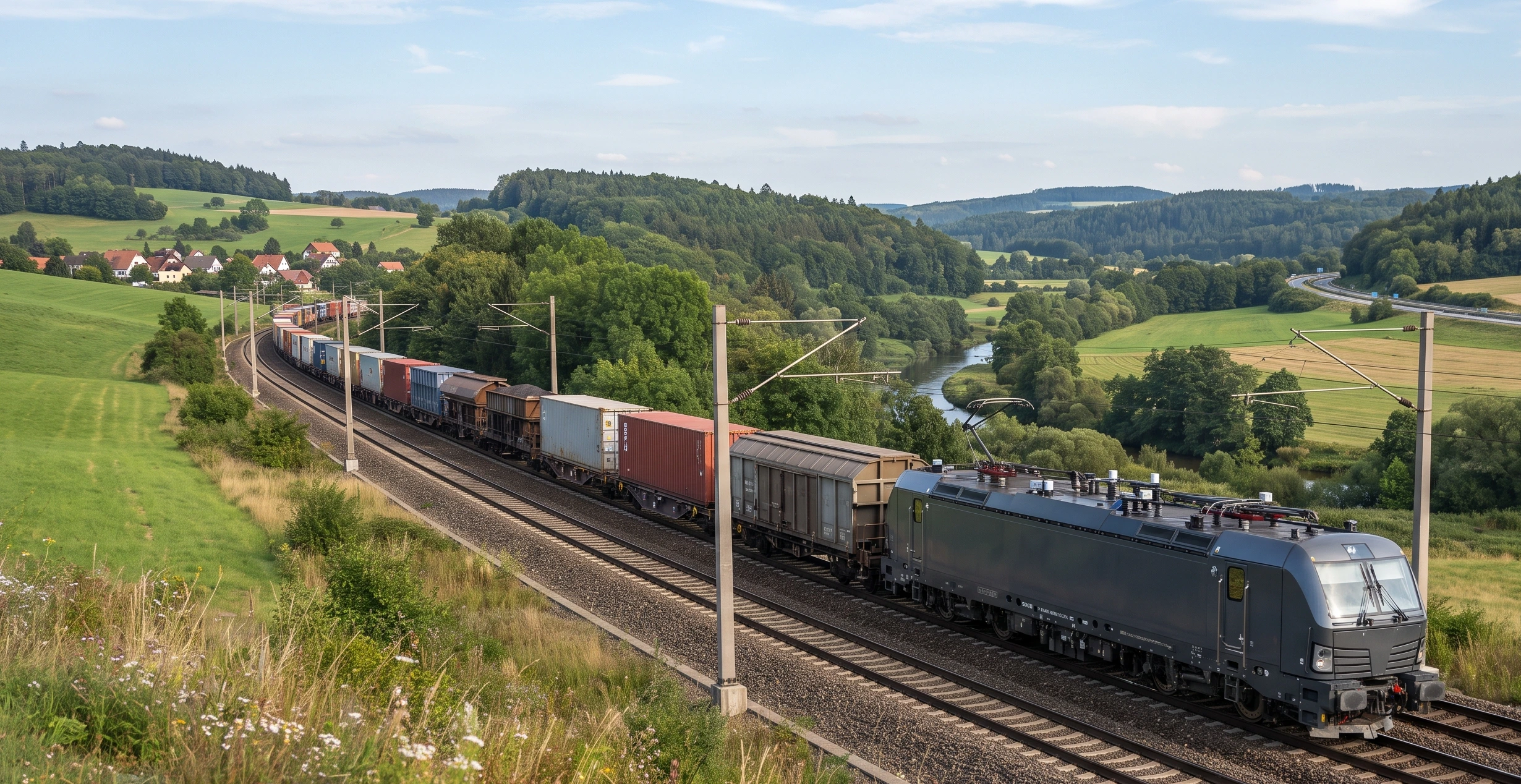
A critical enabler for scaling autonomous rail freight is the adoption of Digital Automatic Coupling (DAC). While traditional mechanical couplers have remained largely unchanged for a century, DAC provides not only physical and pneumatic connections but also a continuous electrical and high-speed data bus across the entire consist. This enables electro-pneumatic braking—allowing all wagons in a train to brake simultaneously and reducing stopping distances—and provides the power and connectivity needed for the sensors and AI systems on each wagon. With DAC, the vision of a smart train becomes a reality, where each wagon can report its own health status, bearing temperatures, load weight, and environmental conditions in real-time to a centralized control center, facilitating a move toward predictive maintenance and zero-failure operations.
Virtual Coupling and Dynamic Platooning
One of the most innovative aspects of autonomous rail freight is the concept of virtual coupling. In a traditional rail environment, wagons are physically linked by mechanical couplers, which limits the flexibility of the train and requires significant energy to move the entire mass. In a virtually coupled environment, independent self-driving freight wagons use low-latency vehicle-to-vehicle (V2V) communications and cooperative adaptive cruise control to run synchronously at operational speeds, separated only by a dynamic electronic safety distance. This allows for a platoon of wagons to behave like a single train for the majority of its journey, but then split into individual units at junctions to serve different destinations autonomously.
This dynamic platooning capability is a game-changer for rail logistics. It allows for high-frequency, on-demand service that rivals the flexibility of trucking while maintaining the superior energy efficiency and safety of rail transport. By utilizing virtually coupled sets, autonomous rail freight can maximize the capacity of existing corridors, fitting more cargo into smaller gaps between passenger trains without the need for additional track infrastructure. Furthermore, the use of battery-electric powertrains ensures that these operations are zero-emission at the point of use, helping the global logistics sector meet its aggressive carbon reduction targets and improving the air quality around urban rail hubs.
Shunting Yard Automation and Terminal Efficiency
The impact of autonomous rail freight extends into the terminal environment through shunting yard automation. Traditional marshalling yards are often the biggest bottleneck in rail logistics, where wagons can sit for days as they are sorted and coupled into new trains. Autonomous rail freight systems utilize AI vision and shunting robotics to automate this process, reducing terminal dwell times by 40% to 50%. Self-propelled wagons can navigate the yard independently, finding their assigned positions and coupling with other units without the need for shunting locomotives or ground crews. This level of automation significantly lowers the operational expenditure (OPEX) of rail freight and improves the overall reliability of the supply chain.
Moreover, the integration of IoT sensor networks within the autonomous rail freight ecosystem provides real-time telematics for cargo monitoring. Shippers can track the precise location, temperature, and shock exposure of their goods throughout the journey, providing a level of transparency that was previously only available in the trucking and air freight sectors. This data-driven approach allows for the transport of high-value, temperature-sensitive, or time-critical cargo by rail, expanding the addressable market for rail logistics and driving a significant modal shift from highways to the railway.
Overcoming Regulatory and Infrastructure Hurdles
The transition to autonomous rail freight faces significant challenges, particularly in the realm of regulation and legacy infrastructure. In many jurisdictions, current rail safety rules mandate a minimum crew of two people on all freight trains—a requirement that fundamentally conflicts with the goal of Unattended Train Operation (UTO). Overcoming these hurdles requires a collaborative effort between technology developers and regulatory bodies like the FRA and ERA to establish a new safety case for autonomous operations based on rigorous real-world data and high-fidelity simulation.
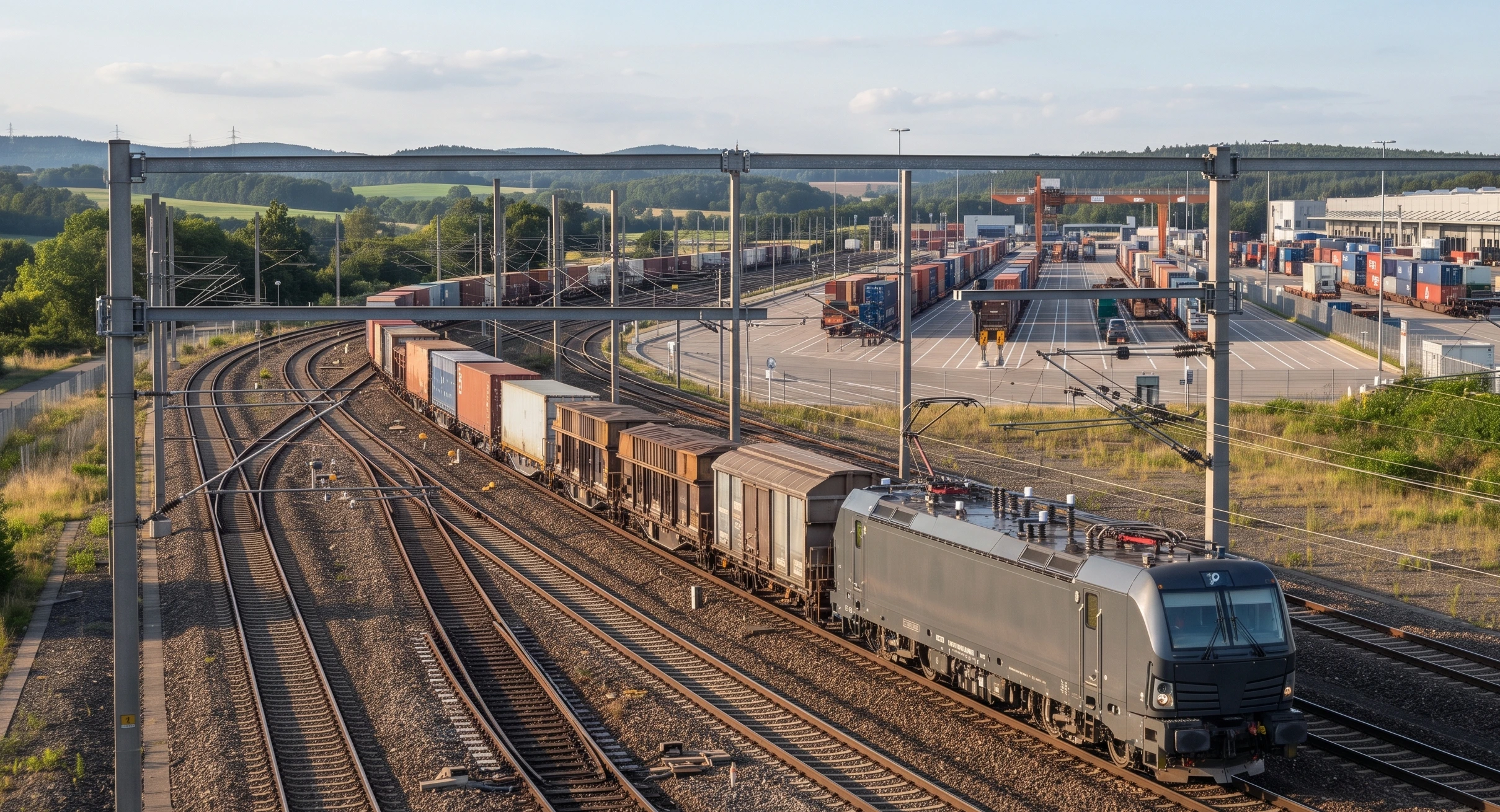
Furthermore, the physical infrastructure of many rail networks requires substantial modernization to support autonomous rail freight. This includes the installation of digital signaling (such as ETCS Level 2/3 or moving block technology), the deployment of 5G/FRMCS communication networks, and the massive undertaking of retrofitting millions of legacy freight wagons with DAC and sensor suites. While the capital investment is significant, the long-term benefits in terms of reduced labor costs, increased asset utilization, and improved safety provide a compelling economic justification for the transition. As pilot projects like those from Parallel Systems and Intramotev demonstrate practical success, the momentum for autonomous rail freight will continue to build.
Strategic Takeaways for the Future of Logistics
The move toward autonomous rail freight is not just a technological upgrade; it is a strategic repositioning of the rail industry for the 21st century. By embracing self-driving wagons and virtual coupling, rail can move from being a bulk carrier to a truly flexible, high-frequency logistics provider.
Autonomous rail freight represents the most significant opportunity to move freight off the roads and onto the rails in decades. By integrating self-propelled wagons, DAC, and AI-driven perception, the industry can overcome the historical inflexibility of rail operations and provide a zero-emission, on-demand service that meets the needs of modern global supply chains. The success of this transition depends on the industry’s ability to modernize its legacy assets, navigate the complex regulatory landscape of unmanned transport, and achieve cross-border technical harmonization.
For logistics providers and rail operators, the future lies in the ability to manage a distributed network of smart, autonomous assets. The transition to autonomous rail freight requires a new set of organizational skills, from software engineering and cybersecurity to remote fleet management and data analytics. Transport Advancement believes that by investing in these technologies today, companies can secure a significant competitive advantage in a world that increasingly values sustainability, transparency, and operational agility, ensuring that rail remains the backbone of global trade.
