













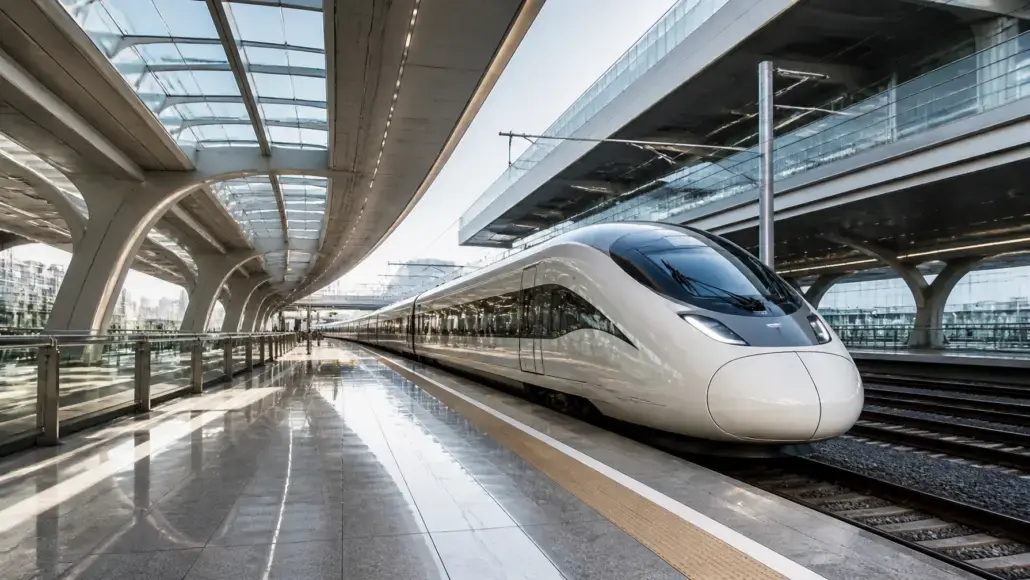
The arrival of high-speed rail has already transformed how we move between cities, but the journey does not begin or end on the train itself. In 2026, the focus has expanded to the portals of the rail network: the stations. Smart high-speed rail stations are emerging as the ultimate expression of the internet of things (IoT) and artificial intelligence (AI) in a public space. These hubs are no longer just points of departure and arrival but are sophisticated digital ecosystems designed to provide a seamless, efficient, and highly personalized experience for millions of travelers. Transport Advancement notes by integrating advanced technology into every corner of the station, rail operators are redefining what it means to be a modern transit hub.
The Foundation of Connected Mobility in Smart Stations
At the heart of smart high-speed rail stations is a dense network of IoT sensors and high-speed connectivity (5G and beyond). These sensors track everything from passenger flows and crowd density to the real-time status of elevators, escalators, and lighting systems. This data is fed into centralized AI platforms that create a digital twin of the station, allowing operators to monitor and optimize operations in real-time. This connectivity is the foundation of a more responsive and efficient station environment.
The integration of stations into the broader Mobility-as-a-Service (MaaS) ecosystem is a key feature of the 2026 landscape. Smart high-speed rail stations act as the central nodes for multi-modal travel, seamlessly connecting with autonomous shuttles, e-scooters, and local transit. Passengers can use a single digital identity or mobile app to manage their entire journey, with the station providing real-time information on all available transport options. This level of integration makes the transition between different modes of transport as effortless as possible, encouraging more people to choose rail over private cars or planes.
Enhancing Passenger Flow and Reducing Friction
One of the biggest challenges in any major transport hub is managing large crowds and reducing the friction of the travel experience. Smart high-speed rail stations address this through the use of AI-driven crowd management and wayfinding systems. Cameras equipped with computer vision can identify bottlenecks in real-time and automatically adjust the direction of escalators or deploy staff to manage the flow of passengers. Smart flooring and light-based wayfinding systems can guide passengers to their specific platform or seat, reducing the stress of navigating a complex station.
Automated and contactless services are also a hallmark of the smart station. Biometric boarding and security checks allow passengers to move through the station without ever having to show a physical ticket or ID. Smart lockers and baggage handling systems use IoT to track luggage in real-time, providing passengers with peace of mind and reducing the time spent waiting at carousels. In 2026, the frictionless station is a reality, where technology works behind the scenes to ensure that every passenger’s journey is as smooth and efficient as possible.
Personalizing the Station Experience through AI
AI is also being used to create a more personalized and engaging experience for passengers. Smart high-speed rail stations use predictive modeling to offer tailored recommendations and services. For example, if a passenger’s train is delayed, the station’s AI might offer them a discount at a nearby cafe or suggest a quiet lounge where they can work. Personalized digital displays can show relevant information, such as gate changes or weather at the destination, in the passenger’s preferred language.
On the retail front, smart stations are pioneering grab-and-go shopping, where passengers can pick up items and leave without having to wait in line at a checkout. AI-driven vending machines and automated kiosks provide a wide range of services, from fresh food to tech support, 24/7. By making the station a destination in its own right—with high-quality retail, co-working spaces, and entertainment options—rail operators are creating new revenue streams and enhancing the overall value of the rail service. In 2026, the station is a hub for both travel and lifestyle.
Improving Operational Efficiency and Sustainability
Beyond the passenger experience, smart high-speed rail stations are significantly more efficient and sustainable than their traditional counterparts. AI-driven building management systems (BMS) optimize energy consumption by controlling lighting and climate based on real-time occupancy and external weather conditions. IoT-enabled waste management systems alert staff when bins need emptying, improving cleanliness and reducing operational costs.
Sustainability is a core design principle for smart stations. Many new facilities incorporate renewable energy sources, such as solar panels on roofs and piezoelectric floors that generate electricity from passenger footsteps. The use of low-carbon materials and nature-based solutions, such as green roofs and indoor vertical forests, helps to reduce the station’s environmental footprint and improve air quality. By demonstrating a commitment to sustainability, smart high-speed rail stations are setting a new standard for public infrastructure in a carbon-constrained world.
Security and Privacy in the Digital Station
As stations become more data-driven, ensuring the security and privacy of passengers is paramount. Smart high-speed rail stations utilize advanced AI for security monitoring, identifying suspicious behavior or abandoned luggage with high accuracy. However, this increased surveillance must be balanced with the protection of individual privacy rights. In 2026, rail operators are implementing strict data governance policies and using privacy-by-design technologies, such as data anonymization and edge computing, to ensure that passenger data is protected.
Cybersecurity is also a critical concern for station infrastructure. Protecting the IoT networks and AI systems from cyberattacks is essential for maintaining the safety and reliability of the station’s operations. The industry is adopting resilient network architectures and continuous security monitoring to stay one step ahead of potential threats. Building public trust in the security of smart stations is essential for their long-term success, requiring transparency and open communication from all stakeholders.
The Future: The Station as a Living Ecosystem
As we look toward 2030, the evolution of smart high-speed rail stations will continue, with the integration of even more advanced technologies like augmented reality (AR) for wayfinding and autonomous service robots. The station will become a living ecosystem that constantly adapts to the needs of its users and the environment. We may see the emergence of floating or modular station designs that can be easily reconfigured or relocated as travel patterns change.
The transformation of rail stations into smart, digital hubs is a testament to the power of technology to enhance our daily lives. Transport Advancement believes that by making travel more efficient, personalized, and sustainable, smart high-speed rail stations are helping to build a more connected and resilient world. The journey of the smart station has only just begun, and it is set to redefine the future of urban mobility for generations to come.
