











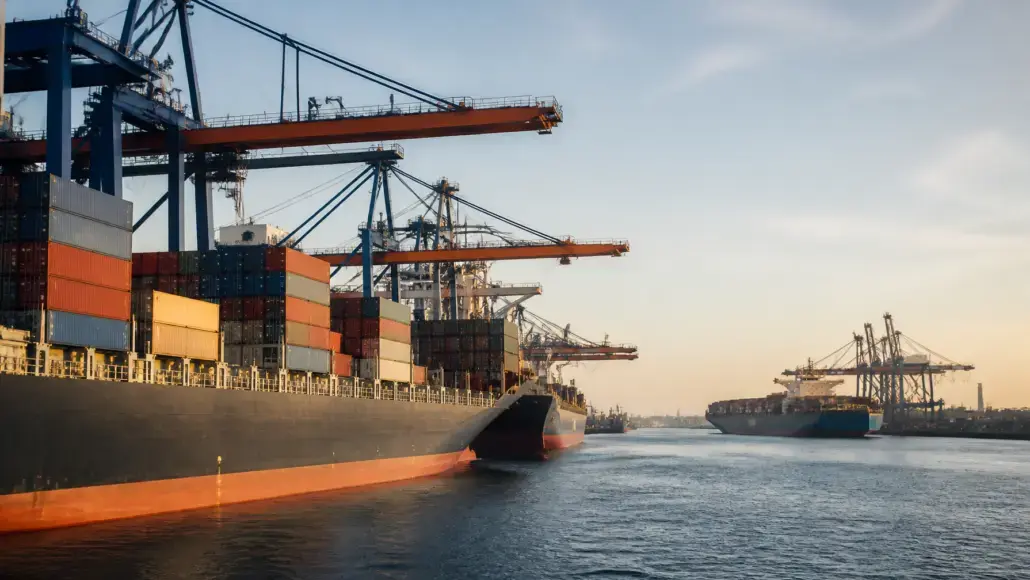
Egypt is actively seeking to deepen its cooperation with American companies in maritime transport and port operations, according to Transport Minister Kamel Elwazir. The initiative forms part of broader efforts to enhance the competitiveness of Egyptian ports and capture greater shares of international transit trade. Speaking during the U.S.–Egypt Ports Infrastructure and Maritime Innovation Forum held in New Cairo, Elwazir outlined Egypt’s strategic vision for expanding Egypt-U.S. maritime transport partnership across multiple sectors.
Strategic Importance of Maritime Cooperation
The minister emphasized that Egypt has already established productive relationships with several major international port operators and shipping companies. These collaborations have significantly strengthened Egypt’s maritime transport capabilities and positioned Egyptian ports to compete more effectively on the global stage. Elwazir stressed that the nation remains interested in broadening Egypt-U.S. maritime transport partnership arrangements with American firms, recognizing the fundamental role maritime transport plays in enhancing bilateral economic ties.
The Transport Minister characterized the forum as a reflection of the comprehensive nature of Egyptian-American relations, which encompass far more than conventional trade and investment frameworks. According to Elwazir, the partnership represents an established strategic relationship capable of fostering economic growth, regional stability and sustainable development across both nations.
Geographic and Infrastructural Advantages
Elwazir said that Egypt possesses distinct geographical advantages that position it as an ideal partner for maritime cooperation. The nation’s control of the Suez Canal, combined with its established network of developed ports and logistics zones, creates substantial opportunities for collaboration. Meanwhile, the United States brings specialized knowledge in transportation technology, logistics management and supply chain optimization.
Both countries envision a partnership centered on elevating efficiency standards, advancing environmental sustainability and strengthening security protocols throughout global supply chains. The collaboration aims to increase private-sector engagement in ventures designed to localize advanced technologies, build stronger maritime and logistics service sectors, and enhance overall port competitiveness.
Eight Integrated Logistics Corridors Transform Regional Trade
Egypt is currently constructing eight integrated international logistics corridors that will connect major port facilities along the Red Sea and Mediterranean coasts with the Suez Canal axis. These corridors will link to inland dry ports and industrial, agricultural and mining zones through an interconnected network of railway infrastructure, modern high-speed electric trains and expanded highway systems.
The eight corridors under development include:
- Arish–Taba
- Sokhna–Alexandria
- Safaga–Qena–Abu Tartour
- Cairo–Alexandria
- Tanta–Mansoura–Damietta
- Gargoub–Salloum
- Cairo–Aswan–Abu Simbel
- Bernice–Aswan–East Oweinat–Al Kufra–N’Djamena
These logistics corridors Egypt infrastructure projects are designed to substantially reduce both transportation timeframes and associated costs, thereby strengthening Egypt’s position as a critical regional hub for transport operations, logistics management and international transit commerce. Elwazir emphasized that these corridors present considerable opportunities for American investment and cooperation across transportation, logistics, resource extraction, industrial development and infrastructure sectors.
Integration Into India-Middle East-Europe Economic Corridor
The minister highlighted particular potential for the Arish–Taba and Sokhna–Alexandria corridors to support Egypt’s integration into the India–Middle East–Europe Economic Corridor (IMEC). Given Egypt’s existing infrastructure capabilities, port facilities and established industrial and economic zones, the nation is positioned to assume a meaningful role within this broader regional framework.
Comprehensive Maritime Transport Strategy
Egypt’s maritime transport strategy encompasses transforming its ports into comprehensive logistics hubs connected to multiple transportation networks. The plan specifically targets reducing cargo processing times, lowering operational costs and improving efficiency across import and export operations. The strategy includes developing additional port facilities on both the Mediterranean and Red Sea coasts while establishing five newly constructed ports. This expansion will bring Egypt’s total commercial ports to 19 facilities.
The development plan also outlines significant expansion of port infrastructure, targeting approximately 100 million square meters of total port area. Construction will add roughly 70 kilometers of new berth capacity while simultaneously upgrading navigational barriers and modernizing the country’s marine tugboat fleet.
Fleet Expansion and Environmental Initiatives
Complementing these port improvements, Egypt aims to expand its national maritime fleet to 40 vessels by 2030. This expansion will provide annual transportation capacity of approximately 30 million tons.
Environmental considerations remain central to Egypt’s maritime development strategy. The government is actively implementing green maritime transport initiatives that expand clean energy utilization, reduce carbon emissions and implement international environmental standards across all Egyptian port facilities.
Government Support for Investment
Elwazir affirmed that the Egyptian government stands prepared to provide comprehensive support frameworks for serious investment proposals, particularly those originating from American companies, across all transportation sectors with maritime transport representing a priority area.
“The sector’s future depends on partnership, integration and the sharing of expertise,” Elwazir said, while expressing hope for expanded Egyptian-U.S. martime transport partnership to promote shared prosperity and support the sustainability of global trade.
