

























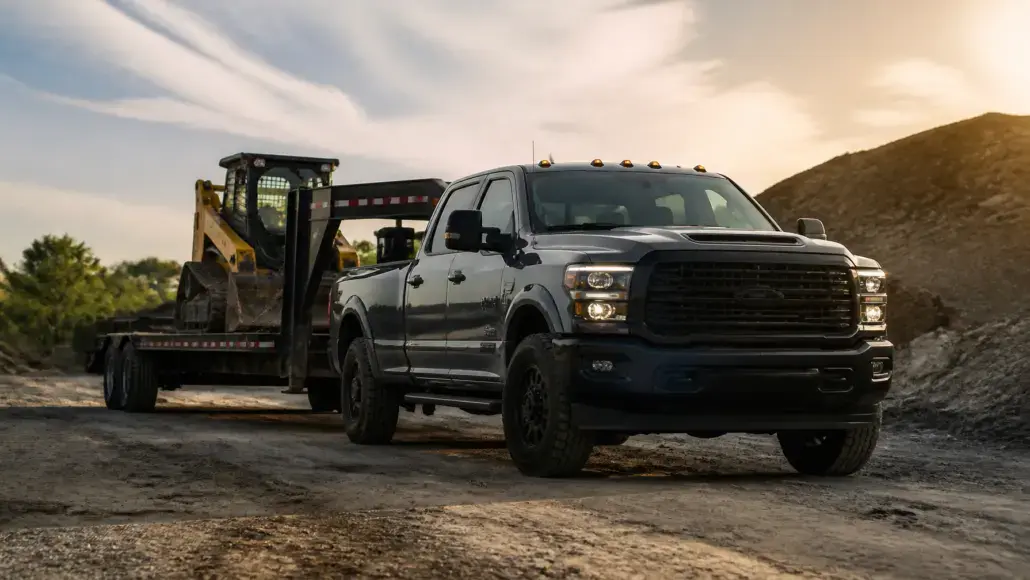
For contractors, fleet operators, and truck owners who tow equipment through long workdays, factory components may not always match the demands placed on a diesel engine. A truck that regularly pulls trailers, carries heavy loads, or works in hot summer conditions needs upgrades chosen for its actual workload—not simply the biggest parts available.
The right diesel upgrades can improve throttle response, towing confidence, fuel control, and long-term durability. The wrong combination can create excessive heat, poor drivability, premature wear, or repair costs that outweigh the original investment.
Start With the Job Your Truck Must Do
Before comparing parts, define the problem you want to solve. A truck used for weekend towing may need a different setup from one hauling landscaping equipment across Myrtle Beach, Charleston, or rural job sites every day.
Consider:
- Trailer weight and typical payload
- How often the truck operates under load
- Long highway trips versus short stop-and-go routes
- Hills, sand, heat, and other local conditions
- Existing modifications and maintenance history
- Whether reliability or maximum horsepower is the main priority
For example, a work truck that struggles to maintain speed on grades may benefit from improved airflow and more responsive tuning. A truck that runs hot while towing may need better cooling support before adding power. If the transmission already slips under load, more engine output could make the problem worse.
A useful starting point is to record exhaust temperature, coolant temperature, boost behavior, fuel economy, and transmission performance during a normal towing day. These details give a technician a clearer picture than a general request for “more power.”
Match Components as a System
Engine upgrades work together. Installing one high-output component without considering the rest of the truck can create an unbalanced setup.
Airflow and exhaust
A more efficient intake or turbocharger can help the engine move air with less restriction. An improved exhaust system may support better flow and reduce strain, but the benefit depends on the engine, emissions equipment, tuning, and intended use.
The goal is not simply to make the truck louder. It is to help the engine maintain controlled temperatures and steady power when the trailer is behind it.
Fuel delivery and tuning
Fuel-system upgrades and electronic tuning can improve response and torque, but they should be selected together. Too much fuel without enough air can increase smoke and heat. Aggressive settings may also place additional stress on the transmission, cooling system, and drivetrain.
When researching diesel performance parts, look for components that fit your engine generation and work with the truck’s existing calibration. Compatibility matters more than a large horsepower claim printed on a product page.
Cooling and transmission support
Towing reliability often depends on systems outside the engine. A stronger transmission cooler, fresh fluid, upgraded hoses, or improved radiator capacity may protect the truck more effectively than another power-focused modification.
This is especially relevant before summer travel or a busy construction season. A truck that performs well on a cool morning may behave differently after several hours of pulling through traffic and high temperatures.
Spend First on the Weakest Link
A practical upgrade plan starts with inspection and maintenance. Worn filters, restricted sensors, old fluids, weak batteries, and cooling-system problems can make a healthy engine feel underpowered.
After those basics are handled, address the component creating the biggest limitation. If the truck cannot keep transmission temperatures under control, solve that before increasing torque. If it has poor airflow, improve that before changing fuel delivery. If the truck is mechanically sound but lacks response, a conservative tune may be more appropriate than a major hardware change.
This approach protects your budget and makes performance improvements easier to measure. Track fuel use over several comparable trips, note towing speeds on familiar hills, and watch temperature readings under similar loads.
The best diesel setup is not the one with the most aggressive parts. It is the one that gives the truck enough controlled power for its work while preserving predictable handling, manageable temperatures, and dependable service intervals. For a business owner, that balance can mean fewer interruptions, lower repair exposure, and a truck that remains useful long after the upgrade is installed.
