


















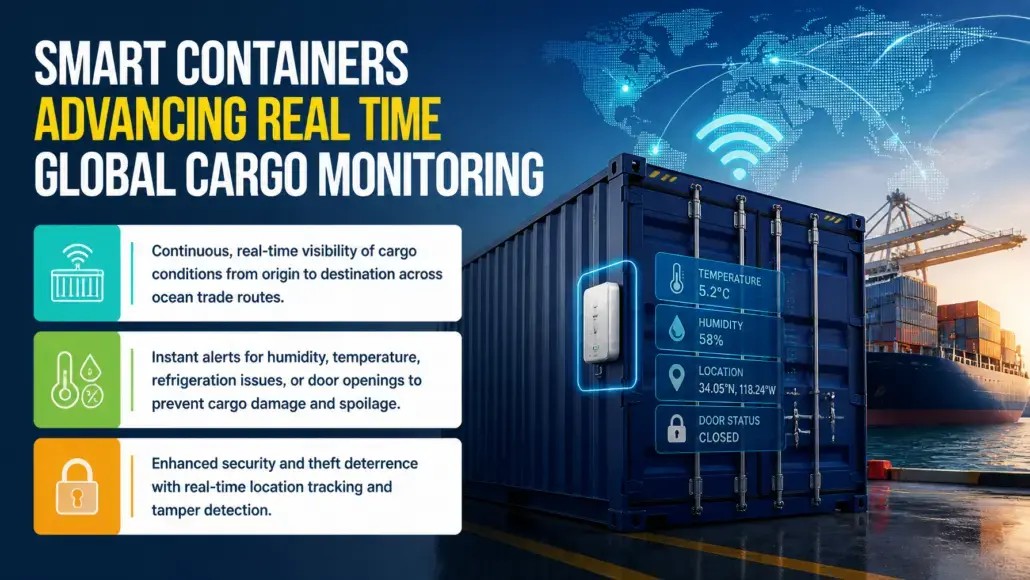
Global intermodal supply chains are transitioning from retrospective tracking to predictive environmental control as ocean carriers deploy connected telematics across millions of steel boxes. Historically, cargo owners discovered container humidity spikes, refrigeration failures, or cargo theft only after a vessel berthed and longshoremen broke the physical security seal. Today, smart container monitoring systems deliver continuous data streams directly from deep-sea trade corridors, providing logistics managers with live visibility into internal microclimates, physical shocks, and geo-coordinates throughout transit.
This technological evolution reflects an urgent commercial imperative. Global trade in perishable foods, sensitive electronics, active pharmaceutical ingredients, and advanced lithium batteries requires uncompromised atmospheric stability. A single unrecorded temperature excursion in a refrigerated container carrying biopharmaceuticals can ruin millions of dollars worth of inventory and trigger severe regulatory quarantine actions. Transport Advancement observes that by converting passive shipping boxes into active Internet of Things data hubs, major ocean carriers are protecting high-value cargo integrity and fundamentally restructuring maritime risk management.
Technical Architecture of Next-Generation Container Telematics
Modern smart container telemetry relies on robust sensor clusters engineered to endure the harshest maritime conditions. Installed on the exterior door header or recessed into interior wall corrugations, these self-contained devices operate continuously without external maintenance for five to ten years. Integrated solar panels combined with high-density lithium thionyl chloride batteries sustain continuous device operation across long ocean voyages, extended rail dwell times, and remote depot storage.
The onboard sensing payload captures a comprehensive spectrum of environmental and physical metrics:
- Calibrated digital temperature probes measure ambient and pulp air temperatures across multiple internal zones, detecting dangerous thermal stratification inside cargo stacks.
- Capacitive relative humidity sensors track internal moisture levels, alerting operators before condensation, container rain, or mold can damage sensitive dry bulk and paper goods.
- Tri-axial accelerometers and gyroscopes record sudden gravitational shocks, rough rail shunting, heavy wave impacts, or unexpected container drops during gantry handling.
- Ambient light and barometric sensors register unauthorized door openings, helping customs authorities and security teams intercept cargo tampering and contraband insertion.
Connecting these sensor nodes across vast ocean reaches requires dynamic multi-bearer communication architecture. Within container terminal stacks and on vessel decks, devices establish low-power wireless mesh networks utilizing Bluetooth Low Energy or Wirepas protocols to share data efficiently. When sailing outside terrestrial range, smart container monitoring systems aggregate telemetry through vessel-mounted gateway antennas linked to low Earth orbit satellite constellations. Upon entering coastal waters, the devices switch seamlessly to cellular networks, uploading dense telemetry logs without incurring excessive data transmission costs.
Commercial Pressures Driving Fleet-Wide Digital Rollouts
Shippers operating in high-consequence industries no longer accept blind transit windows. Pharmaceutical manufacturers, subject to strict Good Distribution Practice standards, must furnish immutable environmental audit trails proving that biologics remained within precise temperature bands from manufacturing plants to destination hospitals. Similarly, agribusiness exporters require tight atmospheric regulation to prevent premature fruit ripening, shelf-life degradation, and catastrophic fungal outbreaks.
Insurance underwriters are actively reshaping commercial freight agreements around verified telematics. Under traditional maritime cargo policies, cargo damage disputes frequently triggered protracted legal arbitration because neither the shipper, carrier, nor terminal operator could prove precisely where an environmental deviation occurred. Smart container telemetry produces time-stamped, tamper-proof logs that pinpoint the exact hour and geo-coordinate of refrigeration failure, speeding claims settlement and eliminating contentious liability disputes.
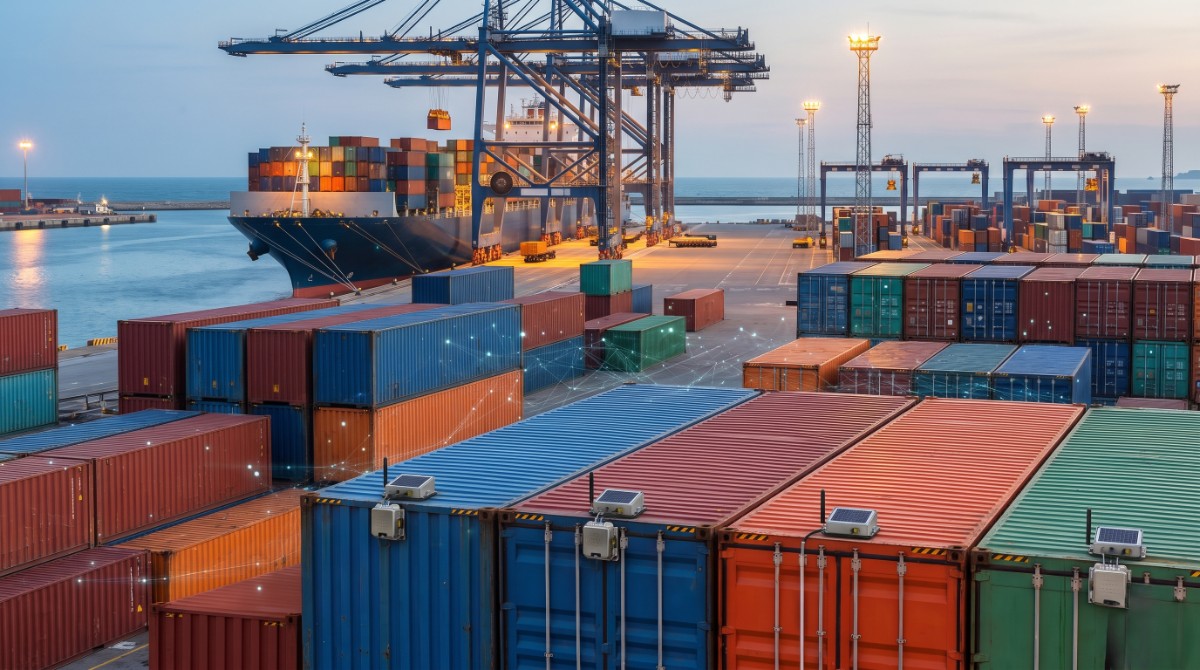
Standardization initiatives led by the Digital Container Shipping Association have provided the technical foundation for scalable industry adoption. By establishing open-source data schemas and interoperable communications protocols, the association has prevented proprietary vendor lock-in. Global freight forwarders and cargo owners can now ingest standardized sensor metrics into their enterprise resource planning platforms, regardless of which container line transports the physical box.
Operational Complexities and Marine Terminal Challenges
While connected container networks deliver profound commercial benefits, physical deployment across worldwide marine terminals introduces intricate technical friction. Dense steel container stacks at major transshipment hubs create severe Faraday cage interference, often blocking high-frequency cellular and radio signals. In a stacked container yard containing tens of thousands of boxes, signals from interior units attenuate rapidly, necessitating strategically placed wireless mesh repeaters on yard light towers and automated stacking cranes to maintain communication continuity.
Battery life management represents another ongoing operational challenge. IoT telemetry devices must endure extreme climate fluctuations, ranging from sub-zero Arctic rail crossings to intense tropical heat on sun-baked container vessel topsides. Extreme ambient temperatures degrade battery capacity over extended operating cycles. Equipment engineers counter this degradation through dynamic edge computing, programming onboard microcontrollers to throttle reporting frequency during stable transit phases and wake up immediately when abnormal sensor thresholds or unauthorized door movements occur.
Cybersecurity and data privacy also require vigilant governance. Connected shipping containers broadcast location coordinates and cargo status across commercial radio frequencies. Shipping lines must implement military-grade end-to-end encryption to prevent hostile actors or criminal syndicates from intercepting cargo manifests, identifying high-value electronics shipments, or hacking into container refrigeration controls.
While distributed sensor nodes rely on satellite telemetry for real-time reporting, shipboard operational technology faces broader navigation hazards such as GPS spoofing.
Predictive Cold Chains and Automated Ocean Logistics
The ultimate commercial value of smart container networks lies in predictive automation rather than passive event observation. Historical supply chain management operated reactively, with logistics personnel scrambling to arrange replacement shipments after cargo spoiled. Modern telematics platforms employ machine learning algorithms to forecast container temperature drift based on ambient solar radiation, insulation wear, and refrigeration compressor health.
Predictive algorithms alert shoreside maintenance teams hours before a container reaches a critical threshold. If an electrical breaker trips on a container ship deck, shipboard engineers receive immediate automated notifications pinpointing the exact container bay, row, and tier, resolving the issue before internal cargo temperatures deviate from narrow regulatory tolerances. In cold treatment fruit shipments, automated systems generate electronic compliance certificates accepted directly by national agricultural inspection agencies, eliminating multi-day quarantine delays at destination ports.
As global commerce becomes increasingly interconnected, Transport Advancement notes that smart container monitoring systems are dismantling historical blind spots across maritime freight. Ocean carriers and global shippers who embed connected intelligence into physical cargo assets are securing higher operational reliability, driving down avoidable cargo spoilage, and establishing an unprecedented level of trust across international supply chains.
