









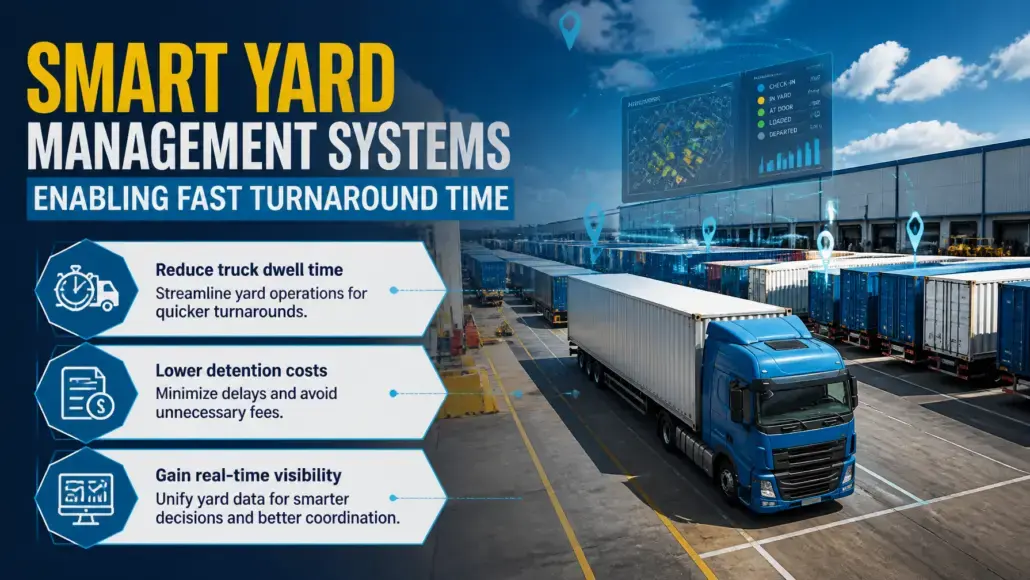
The trailer yard is often the forgotten frontier of the supply chain. While warehouses and transportation networks have seen massive investments in automation and visibility, the space between the warehouse door and the terminal gate has frequently remained a black hole of manual processes and fragmented data. This lack of coordination leads to excessive truck dwell times, high detention fees, and frustrated drivers. However, the rise of smart yard management systems is finally bringing digital orchestration to this critical operational zone.
The market for dock and yard management systems is experiencing a period of rapid acceleration. Mordor Intelligence valued the sector at approximately 4.32 billion dollars in 2025, with projections suggesting it will reach 8.5 billion dollars by 2032. This growth is driven by a clear financial reality: the cost of trailer yard inefficiency is unsustainable. Industry analyses from 2025 estimate that roughly 3 billion dollars in annual driver productivity is lost to dwell delays. For a logistics industry struggling with labor shortages and tight margins, smart yard management systems represent a high-ROI opportunity to regain control over terminal flow.
Dismantling the Communication Gap
At the heart of the yard efficiency problem is a breakdown in communication between the carrier, the gate, and the warehouse dock. INFORM Software’s 2025 Smart Yard Management Trend Report found that 29 percent of shippers say fewer than 1 in 10 trucks arrive on their scheduled appointment time. When appointments are missed, dock schedules are disrupted, and the yard quickly becomes congested with trailers that have no place to go.
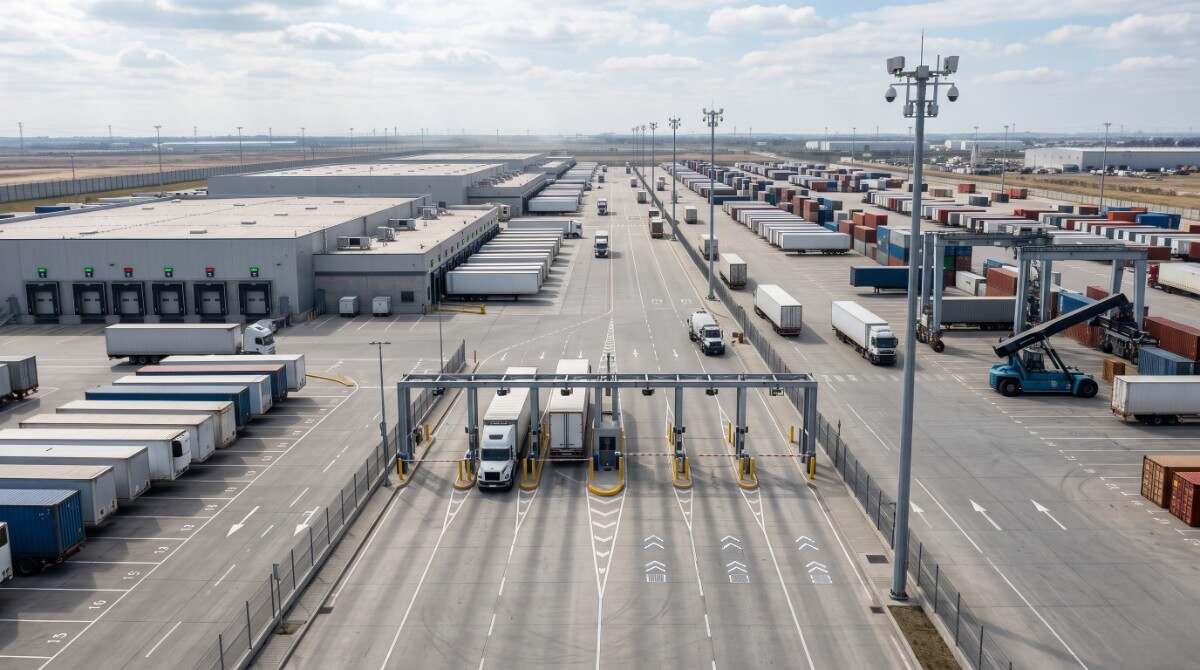
Transport Advancement observes that smart yard management systems solve this by creating a single source of truth for all stakeholders. These systems utilize a combination of RFID tracking, GPS, and computer vision to monitor the location and status of every trailer in the yard. When a truck arrives at the gate, the system can automatically assign it to a specific dock based on real-time capacity and the priority of the freight. This automated orchestration eliminates the need for manual check-ins and reduces the time a driver spends waiting for instructions.
Major Players in Yard Digitization
Several global technology leaders are expanding their capabilities in the yard management space, often integrating these tools into broader supply chain execution suites.
- Oracle has enhanced its Fusion Cloud SCM suite to include advanced yard and dock appointment capabilities, allowing for seamless coordination between its transportation and warehouse management modules.
- Blue Yonder is utilizing AI and machine learning to power its Yard Management solutions, focusing on cognitive scheduling that can adjust dock assignments in real time based on emerging delays.
- project44, a leader in supply chain visibility, launched AI-powered inbound visibility and yard management features in late 2024 to help shippers predict arrival windows and cut detention costs.
- Zebra Technologies provides the hardware layer for many of these systems, including RFID sensors and computer vision cameras that identify trailers and containers as they move through the yard.
- SAP has extended its EWM-based yard management tools with embedded AI agents like Joule to help facilities manage complex dock scheduling and yard execution tasks.
In November 2025, Gartner released its first Market Guide for Yard Management, legitimizing the category as a distinct and essential part of the supply chain technology stack. This recognition highlights the shift from simple trailer-tracking tools to sophisticated orchestration platforms that manage the entire lifecycle of a trailer while it is on-site.
Reducing Costs Through Improved Throughput
The financial benefits of smart yard management systems are most visible in the reduction of detention and demurrage fees. These charges, levied by carriers when their equipment is held for too long, can add up to thousands of dollars per day for a busy facility. By improving the speed at which trailers are loaded and unloaded, a YMS ensures that equipment is returned to the carrier within the agreed timeframe.
Furthermore, a well-managed yard improves the productivity of yard jockeys, the specialized drivers who move trailers within the facility. Instead of driving around the yard looking for a specific trailer, the jockey receives a task on a mobile device with the exact GPS coordinates of the unit they need to move. This optimized routing reduces fuel consumption and wear and tear on yard equipment.
- Real-time visibility allows for pre-staging of high-priority trailers.
- Carrier self-service portals allow drivers to book and manage their own dock appointments.
- Automated gate systems reduce the need for on-site security personnel for routine check-ins.
The Integration of Automated Screening
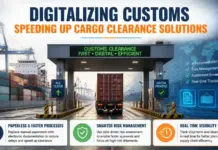
A significant part of the yard management workflow involves the security check at the facility gate. In a manual environment, this often involves a security guard checking seals and paperwork, which is a major source of delay. Modern facilities are increasingly integrating automated cargo screening technology into their yard management systems. This allows for the high-speed verification of container contents and seal integrity without requiring the truck to stop for a lengthy manual inspection.
This integration is particularly valuable for facilities that handle high-value or hazardous materials. By combining the data from the yard management system with the results of an automated scan, the facility can ensure that every load entering or leaving the site is safe and compliant. This secure flow is a key component of a modern, technology-driven logistics operation.
Future Directions in Yard Orchestration
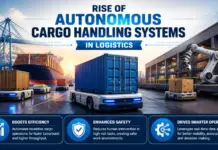
As we look toward 2026 and 2027, Transport Advancement observes that the focus is on increasing the level of autonomy in yard operations. Several companies are already trialing autonomous yard tractors that can move trailers between docks and storage spots without a human driver. These autonomous vehicles rely on the data provided by the smart yard management systems to navigate the yard and avoid obstacles.
The ultimate goal is a fully synchronized supply chain where the warehouse, the yard, and the transportation network operate as a single, fluid entity. By investing in smart yard management systems today, logistics leaders are laying the groundwork for this future. They are transforming a traditionally chaotic and inefficient part of their operations into a predictable and value-added component of the global supply chain. This digital transformation is no longer a luxury. it is the new standard for operational excellence.
References
- “Dock & Yard Management Systems Market Forecast 2025-2032” – Mordor Intelligence
- “2025 Smart Yard Management Trend Report” – INFORM Software
- “Gartner Market Guide for Yard Management Nov 2025” – Gartner
- “Inbound Visibility and Yard Management Expansion Announcement” – project44
- “The Economics of Truck Dwell and Detention 2025” – Industry Analysis Report
- “Oracle Fusion Cloud SCM Yard Management Update” – Oracle
