


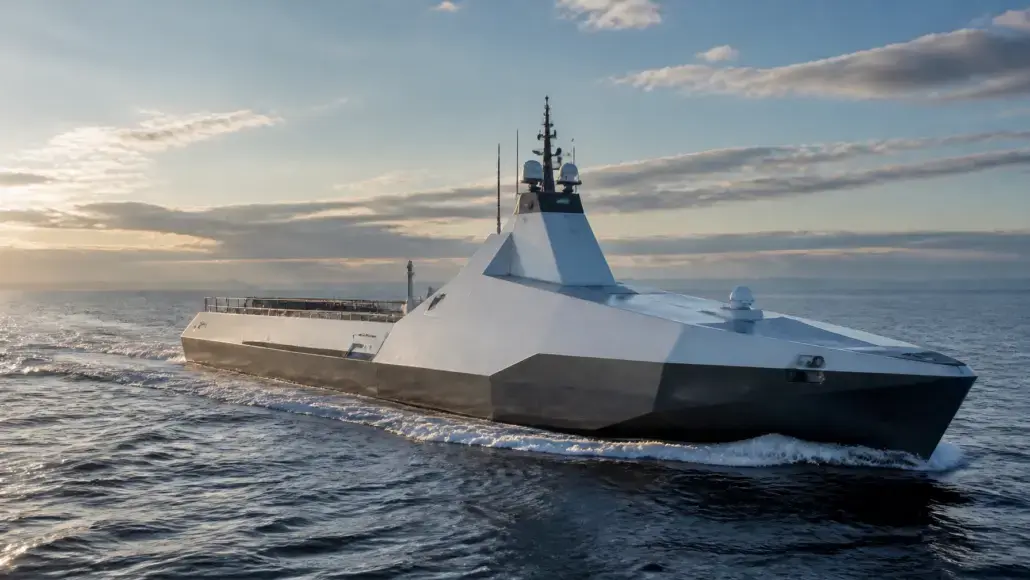
The maritime industry is currently standing at the precipice of its most significant technological shift since the transition from sail to steam. The development of Maritime Autonomous Surface Ships (MASS) promises to redefine global logistics, enhancing safety and operational efficiency through the integration of artificial intelligence and advanced multi-modal sensor suites. However, for these technologies to move beyond experimental trials and into mainstream commercial operations, a robust international regulatory framework is essential. At the center of this transition are the autonomous shipping rules, specifically the emerging International Maritime Organization (IMO) MASS Code, which is being meticulously crafted by the International Maritime Organization to ensure that the future of shipping is as safe as it is innovative.
The International Maritime Organization (IMO) has been proactive in addressing the complexities of autonomous navigation. Following a comprehensive Regulatory Scoping Exercise completed in May 2021, the IMO’s Maritime Safety Committee (MSC) identified the need for a dedicated, goal-based instrument to govern autonomous vessels across various international conventions, including SOLAS, COLREGs, and MARPOL. The resulting IMO MASS Code is currently under development, with a non-mandatory version adopted in 2026, followed by a mandatory code targeted for entry into force by 1 January 2032. This framework is designed to be technologically neutral, focusing on safety outcomes rather than prescribing specific hardware, allowing the industry to innovate while maintaining the highest standards of maritime safety.
The MASS Code and the Four Degrees of Autonomy
Transport Advancement highlights that to navigate the legal and operational complexities of maritime automation, the IMO has defined four distinct degrees of autonomy. Degree 1 involves ships with automated processes and decision support, where seafarers remain on board to operate and control shipboard systems. Degree 2 moves to a remotely operated ship with seafarers on board, where the vessel is controlled from another location, but the crew is ready to take control if necessary. Degree 3 represents a significant leap, where the ship is remotely operated from a shore-based Remote Operations Center (ROC) without seafarers on board. Finally, Degree 4 is a fully autonomous ship where the operating system of the ship is able to make decisions and determine actions by itself. The IMO autonomous shipping rules must address the unique safety and liability challenges inherent in each of these stages.
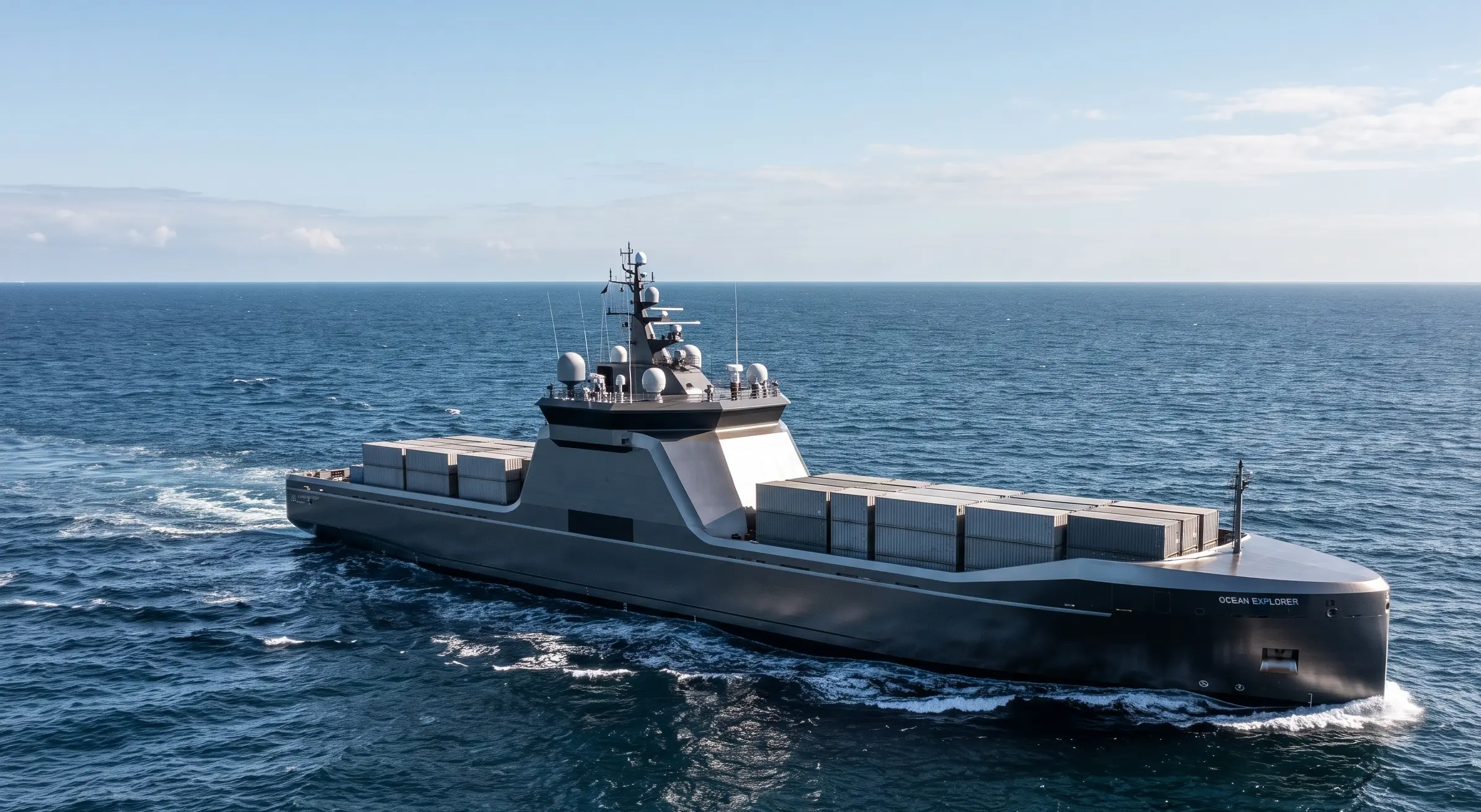
The implementation of the IMO MASS Code requires significant amendments to existing international conventions. For instance, COLREGs Rule 5, which mandates a “proper look-out by sight and hearing,” must be adapted to recognize the capabilities of solid-state radar, 3D LiDAR, and electro-optical sensor fusion as a valid alternative to human senses. Similarly, the legal definition of the “Master” under the IMO autonomous shipping rules is being expanded to include a Remote Master operating from an ROC. Ensuring that these remote operators possess the necessary situational awareness and follow the standards of “good seamanship” as defined in COLREGs Rule 2 is a critical focus of the ongoing regulatory work. This transition requires a fundamental rethinking of maritime education and certification, as governed by the STCW convention.
Maritime Safety and Search and Rescue Obligations
One of the most profound challenges for the IMO autonomous shipping rules is the reconciliation of autonomous operations with the ancient maritime obligation to provide assistance to those in distress. Under UNCLOS Article 98 and SOLAS Chapter V, a vessel’s Master is legally required to proceed with all speed to the assistance of persons in distress at sea. For a Degree 3 or 4 autonomous vessel without a crew on board, fulfilling this obligation requires innovative engineering and procedural solutions. The IMO MASS Code is exploring requirements for autonomous vessels to serve as communication hubs during SAR operations or to deploy uncrewed surface vehicles (USVs) and drones to provide initial life-saving support, such as life rafts or communication devices, until manned assets arrive.
Furthermore, the IMO autonomous shipping rules must address the critical issue of cybersecurity and data integrity. A ship that relies on continuous data links with a Remote Operations Center is inherently vulnerable to cyberattacks, GNSS spoofing, and signal jamming. The IMO MASS Code will incorporate and expand upon the IACS Unified Requirements UR E26 (cyber resilience of ships) and E27 (cyber security of onboard systems), mandating that autonomous systems have robust “fail-safe” or “fail-passive” modes. In the event of a total loss of connectivity, an autonomous vessel must be capable of executing an automated safe stop or continuing its voyage along a low-risk corridor using its internal situational awareness models. Ensuring this level of resilience is paramount for maintaining the safety and security of global shipping lanes.
Mixed-Traffic Environments and Interaction with Manned Vessels
A major operational hurdle for autonomous shipping is the interaction between MASS and traditional manned vessels, particularly in congested coastal waters and ports. The IMO autonomous shipping rules must ensure that autonomous vessels can navigate safely alongside uncooperative or non-digitalized craft, such as small fishing boats or recreational vessels that lack AIS (Automatic Identification System). The AI algorithms powering collision avoidance must be capable of interpreting the unstructured behavior of human-piloted vessels and responding in a way that is consistent with COLREGs.
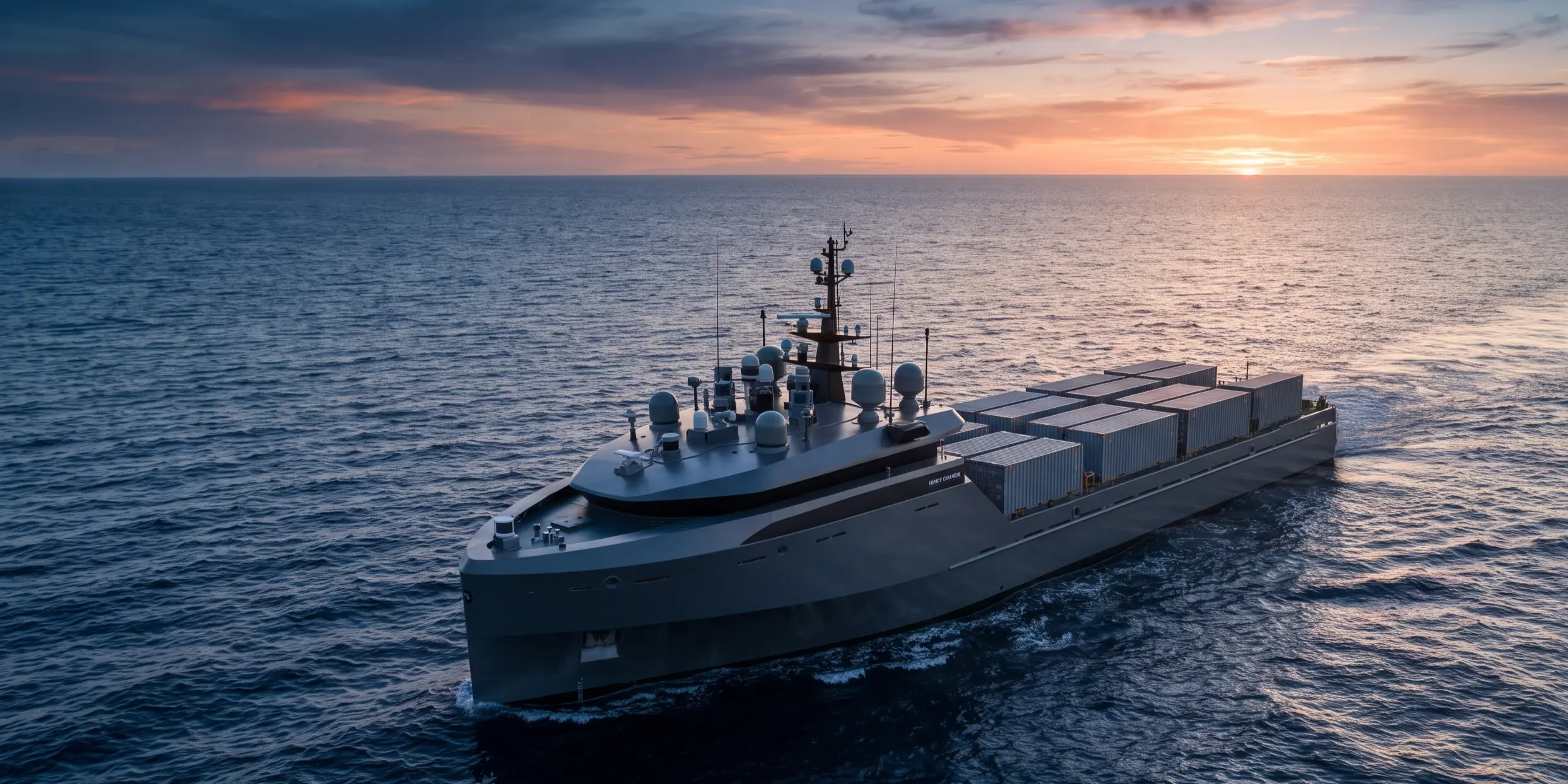
This requires the development of “deterministic AI” that follows predictable rules of the road, even when faced with ambiguous situations. The IMO MASS Code will likely include standards for “intent communication,” where autonomous vessels broadcast their planned maneuvers to surrounding traffic via VDES (VHF Data Exchange System) or other digital means. This transparency is essential for building trust among maritime stakeholders and for preventing accidents in mixed-traffic environments. As part of the Experience-Building Phase (EBP), the IMO is gathering data from real-world trials to refine these interaction protocols and ensure that autonomous vessels do not increase the risk for traditional mariners.
Strategic Implications for the Maritime Industry
The emergence of the IMO MASS Code represents a paradigm shift for shipowners, technology developers, and insurers. Navigating the IMO autonomous shipping rules requires a forward-looking strategy that prioritizes interoperability, cybersecurity, and long-term regulatory compliance.
The development of the IMO MASS Code is a deliberate and collaborative process that prioritizes maritime safety above all else. For the shipping industry, the IMO autonomous shipping rules provide the essential legal certainty needed to invest in autonomous technology at scale. By moving from a non-mandatory experience-building phase to a mandatory code, the IMO is ensuring that the transition to unmanned vessels is managed in a way that protects lives, property, and the marine environment while fostering technological innovation.
To succeed in this new era, maritime stakeholders must engage deeply with the regulatory process and invest in the digital infrastructure required to support autonomous operations. This includes not only the onboard sensor suites but also the shore-based remote operations centers and the cybersecurity protocols that are now the bedrock of maritime safety. Transport Advancement believes that as the IMO MASS Code takes shape, the ability to operate within these new international rules will define the competitive landscape of the 21st-century shipping industry, ensuring that the oceans remain a safe and efficient conduit for global commerce.
