











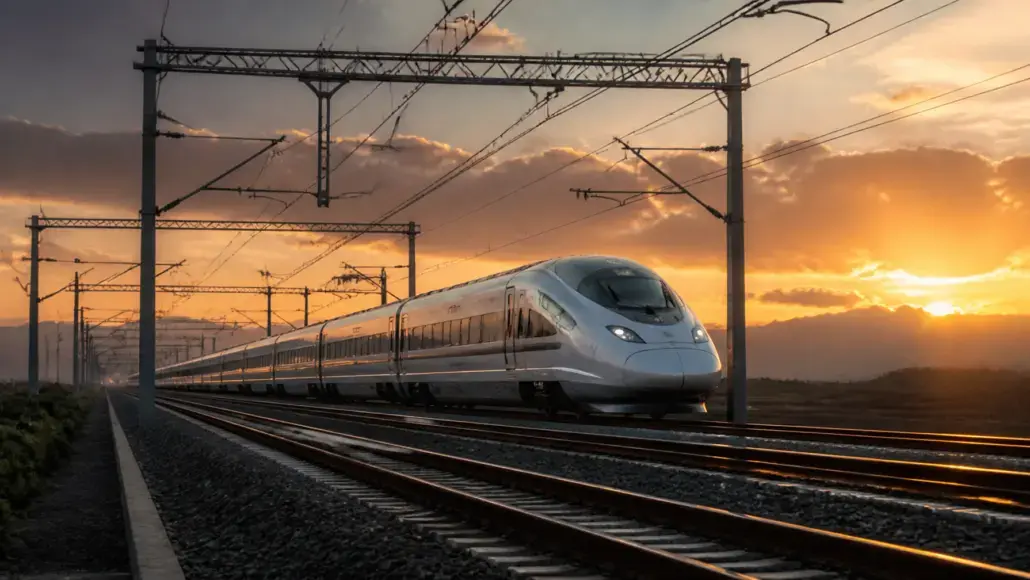
The nervous system of any railway network is its signalling system, the invisible layer of technology that ensures trains move safely and efficiently across the tracks. As bullet trains push the limits of speed and frequency in 2026, Transport Advancement notes that the traditional physical signals and fixed-block systems of the past are being rapidly replaced by next-generation digital signalling technologies. This transition is not just a technological upgrade. It is a fundamental reimagining of railway infrastructure that allows for a massive increase in network capacity, enhanced safety margins, and a truly seamless international rail network.
The Shift from Physical to Digital Signalling
For over a century, railway signalling relied on physical lights and signs along the track to communicate instructions to drivers. These systems, while reliable, were inherently limited by human reaction times and the need for large safety margins between trains. Next-generation digital signalling technologies move this information from the trackside to the train’s cockpit and the central control room. Using high-frequency radio and satellite communication, the system provides real-time, continuous updates on track conditions, speed limits, and the position of other trains.
The primary standard for this digital transition is the European Train Control System (ETCS), which is now being adopted globally as the gold standard for high-speed rail. ETCS Level 2 and Level 3 remove the need for physical signals entirely, relying on a digital cab-signalling interface. This allows trains to travel much closer together without compromising safety, as the system can automatically apply the brakes if it detects a potential collision or a speed violation. In 2026, the deployment of these digital systems is a key priority for rail authorities seeking to modernize their aging infrastructure and meet the growing demand for high-speed travel.
Enhancing Network Capacity through Moving Blocks
One of the most significant benefits of next-generation digital signalling technologies is the implementation of moving block technology. Traditional fixed-block systems divide the track into discrete segments, and only one train is allowed in each segment at a time. This creates large gaps between trains, limiting the total number of services that can operate on a line. Moving block systems, enabled by ETCS Level 3, calculate a dynamic safety zone around each train based on its current speed, length, and braking capabilities.
This dynamic approach allows trains to follow each other much more closely, effectively increasing the capacity of a rail line by up to 40% without laying a single mile of new track. In 2026, this is proving to be a game-changer for congested corridors in Asia and Europe, where demand for bullet train travel often exceeds supply. By maximizing the utility of existing infrastructure, digital signalling provides a cost-effective and sustainable way to expand the high-speed rail network. The ability to run more trains per hour also leads to shorter wait times for passengers and a more reliable service overall.
Improving Reliability and Reducing Maintenance Costs
Beyond capacity, next-generation digital signalling technologies offer major advantages in terms of reliability and maintenance. Physical trackside signals and cabling are exposed to the elements and are prone to failure, often leading to widespread delays and expensive repairs. Digital systems, by contrast, are largely concentrated in software and centralized server clusters, which are easier to maintain and protect.
Furthermore, the continuous monitoring capability of digital signalling allows for predictive maintenance of both the track and the trains. The system can detect anomalies in a train’s braking performance or track vibration and alert maintenance teams before a fault occurs. This data-driven approach reduces the number of service-affecting failures, ensuring that the rail network operates with the precision required for high-speed service. In 2026, the reduction in maintenance-related downtime is a key driver for the improved financial performance of rail operators who have embraced the digital revolution.
The Role of Global Harmonization and Interoperability
One of the historical challenges of the rail industry has been the proliferation of different, incompatible signalling systems across national borders. This forced trains to change locomotives or systems at every frontier, leading to delays and increased costs. Next-generation digital signalling technologies, particularly the standardized ETCS framework, are designed to address this issue by providing a single, interoperable platform that works across different countries and manufacturers.
In 2026, the push for a truly Single European Railway Area and similar initiatives in other regions are making international bullet train travel as seamless as domestic travel. A single train can now travel from London to Istanbul or from Beijing to Singapore without ever having to slow down for a signalling change. This interoperability is essential for the long-term growth of high-speed rail as a competitive alternative to short-haul aviation. It also fosters a more competitive market for rail technology, as operators are no longer locked into a single supplier for their signalling needs.
Cybersecurity and the Resiliency of Digital Rail
As the rail network becomes more dependent on digital communication, cybersecurity has become a paramount concern. Next-generation digital signalling technologies must be protected against cyberattacks that could disrupt service or even endanger lives. In 2026, the industry is implementing a secure-by-design approach, incorporating advanced encryption, multi-factor authentication, and decentralized network architectures to ensure the resiliency of the signalling system.
The use of redundant communication channels—such as combining terrestrial radio networks with satellite links—ensures that the signalling system remains operational even if one channel is compromised. Continuous security monitoring and real-time threat detection are now standard features of rail control centers. Building a culture of cyber-resilience is essential for maintaining public trust in the safety and reliability of high-speed rail. As the threats evolve, so too must the digital defenses of the rail network.
The Future: AI and Satellite-Based Signalling
As we look toward the 2030s, Transport Advancement believes that the evolution of next-generation digital signalling technologies will continue, driven by advancements in Artificial Intelligence and satellite technology. We are likely to see the integration of AI-powered dispatching systems that can automatically resolve conflicts and optimize traffic flow in real-time. Satellite-based positioning (such as Galileo or GPS) will become the primary way to track train locations, further reducing the need for trackside equipment like balises and axle counters.
The ultimate goal is a fully autonomous, virtual signalling system that exists entirely in the cloud. This would represent the pinnacle of rail infrastructure modernization, providing a level of flexibility and efficiency that is unimaginable with today’s technology. The journey from physical lights to virtual signals is well underway, and it is reshaping the future of high-speed rail for a digital-first world.
