




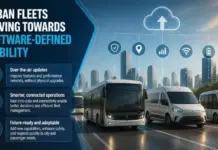



The automotive and transport industries are undergoing a fundamental transformation, shifting from a focus on hardware and mechanical engineering to a world dominated by software and digital connectivity. In the urban context, this shift is most visible in the evolution of software defined urban mobility fleets. Historically, a vehicle’s capabilities were fixed at the point of manufacture, with any significant improvements requiring physical modifications or the purchase of a new model. Today, the modern urban fleet is a dynamic, evolving platform where features can be added, optimized, and repaired remotely via code. Transport Advancement notes that this paradigm shift is redefining the relationship between fleet operators, vehicle manufacturers, and the cities they serve, enabling a level of operational agility and efficiency that was previously unimaginable.
The Core Architecture of Software-Defined Vehicles
At the heart of software defined urban mobility fleets is the transition from a decentralized electronic architecture to a centralized, high-performance computing model. Traditional vehicles utilize dozens of independent Electronic Control Units (ECUs) to manage specific functions like braking, steering, or engine control. In contrast, software-defined vehicles (SDVs) consolidate these functions into a few powerful central computers running a unified operating system. This architectural shift allows for a much tighter integration between different vehicle systems and, crucially, enables the decoupling of hardware and software.
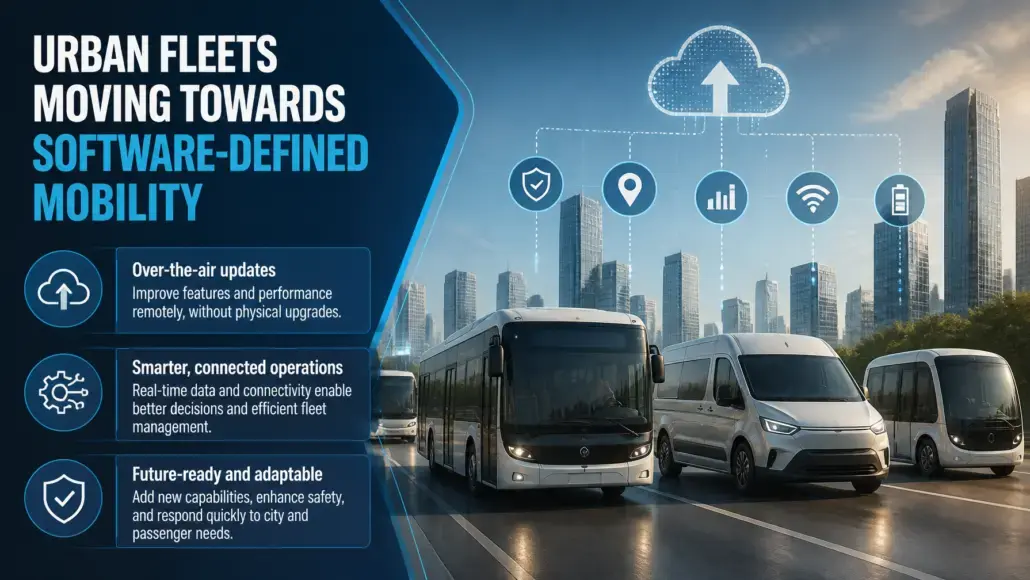
This decoupling means that the software layer can be updated and improved independently of the physical vehicle. For fleet operators, this is a game-changer. It allows software defined urban mobility fleets to stay at the cutting edge of technology throughout their entire lifecycle. Whether it is improving energy efficiency, enhancing safety features, or adding new diagnostic tools, the capabilities of the fleet are limited only by the imagination of the software developers and the processing power of the onboard computers. This “evergreen” approach to vehicle technology ensures that the fleet remains a competitive and valuable asset for much longer than traditional mechanical vehicles.
The Power of Over-the-Air (OTA) Updates
The most visible manifestation of the shift toward software defined urban mobility fleets is the implementation of Over-the-Air (OTA) updates. Similar to how a smartphone receives regular software updates, SDVs can receive new code wirelessly while parked in the depot or even while in service. These updates can range from minor bug fixes and security patches to major feature enhancements. For example, a transit agency could deploy a new regenerative braking algorithm across its entire fleet overnight, instantly improving the range and efficiency of every vehicle without a single technician touching a wrench.
OTA updates significantly reduce the downtime and costs associated with vehicle recalls and maintenance. Instead of bringing hundreds of vehicles into the shop for a software-related issue, the fix can be deployed globally in a matter of minutes. This level of responsiveness is vital for software defined urban mobility fleets operating in the fast-paced and unpredictable urban environment. It also allows fleet operators to experiment with new features and business models, testing them on a subset of the fleet before rolling them out more broadly. The ability to iterate and improve at the speed of software is a key competitive advantage in the modern mobility landscape.
Data as the Lifeblood of Software-Defined Mobility
In the world of software defined urban mobility fleets, data is the most valuable resource. Every vehicle in the fleet is a mobile sensor hub, generating vast amounts of information about its performance, the environment, and the behavior of its users. By aggregating and analyzing this data in the cloud, fleet operators can gain deep insights into their operations. They can identify patterns of wear and tear, optimize route planning based on real-time traffic and weather data, and even predict potential maintenance issues before they result in a breakdown.
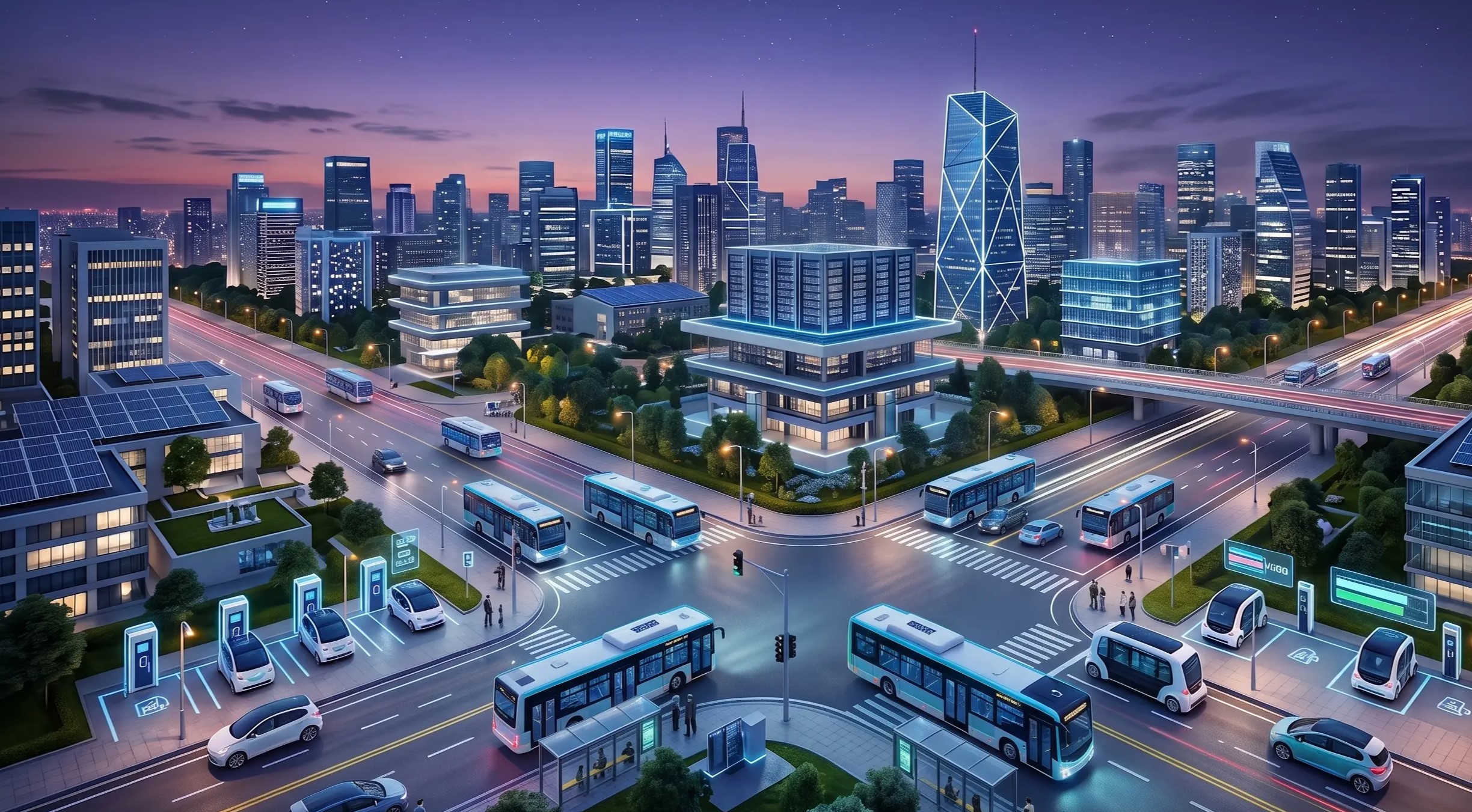
This data-driven approach allows for a much more nuanced and effective management of software defined urban mobility fleets. For instance, telematics data can be used to provide personalized feedback to drivers, helping them to adopt more energy-efficient and safer driving habits. Furthermore, the data generated by urban fleets can be shared with city planners to help them better understand traffic flow and infrastructure needs. This creates a symbiotic relationship where the fleet becomes an integral part of the city’s digital nervous system. The transparency and accountability provided by this data are essential for building trust with both regulators and the public.
Enhancing Safety and Security in a Digital World
Safety has always been the top priority for urban mobility, and software defined urban mobility fleets offer new ways to protect both passengers and pedestrians. Advanced Driver Assistance Systems (ADAS)—such as collision avoidance, lane-keeping assist, and emergency braking—are powered by sophisticated software that can be continuously refined and improved. By leveraging the collective data from the entire fleet, these systems can learn to recognize and respond to a wider range of hazardous situations, effectively making the fleet safer with every mile driven.
However, the shift to a software-centric model also introduces new security challenges. As vehicles become more connected, they also become more vulnerable to cyberattacks. Protecting software defined urban mobility fleets from unauthorized access and malicious code is a critical requirement. This necessitates a “security by design” approach, where cybersecurity is integrated into every layer of the vehicle’s architecture and software stack. Robust encryption, secure boot processes, and continuous monitoring for anomalies are essential for maintaining the integrity and safety of the fleet. In the digital age, cybersecurity is a fundamental component of operational safety.
The Shift Toward Mobility as a Service (MaaS)
The evolution of software defined urban mobility fleets is a key enabler of the broader transition toward Mobility as a Service (MaaS). In a MaaS ecosystem, users access a variety of transport modes—from buses and trains to bike-share and ride-hailing—through a single digital platform. The flexibility and connectivity of software-defined vehicles make them the perfect building blocks for these integrated services. For example, a software-defined shuttle could be dynamically rerouted in real-time based on user demand, effectively blurring the lines between traditional public transport and ride-hailing.
This level of operational agility is essential for creating a transit system that is truly user-centric. Software defined urban mobility fleets can be tailored to meet the specific needs of different user groups, whether it is providing accessible transport for the elderly or efficient last-mile connections for commuters. The ability to rapidly adapt the service model through software changes allows fleet operators to stay responsive to changing market conditions and user preferences. The ultimate goal is a seamless, multi-modal mobility experience that is as convenient as private vehicle ownership but far more sustainable and efficient.
Urban Mobility Moves Toward Full Autonomy
As we look to the future, the development of software defined urban mobility fleets is the necessary precursor to the introduction of fully autonomous vehicles. The high-performance computing, centralized architecture, and robust connectivity required for SDVs are exactly what is needed to support the complex AI and sensor-fusion systems of autonomous driving. While full autonomy in complex urban environments remains a significant challenge, the iterative improvements enabled by the software-defined model are bringing us closer every day.
The transition to software defined urban mobility fleets is not just a technical upgrade; it is a fundamental shift in the culture and business of mobility. It requires a move away from the traditional, slow-moving cycles of mechanical engineering and toward the fast-paced, innovative world of software development. For those who embrace this change, the rewards are significant: a fleet that is more efficient, more agile, and more valuable than ever before.
Role of Cloud Platforms in Urban Mobility
The true potential of software defined urban mobility fleets is unlocked when vehicles are integrated into a comprehensive cloud ecosystem. These platforms serve as the “control tower” for the fleet, providing a unified interface for managing everything from battery health and location tracking to customer engagement and fare collection. By leveraging cloud-based analytics, fleet operators can identify macro-trends that are invisible at the level of the individual vehicle. For example, the system might identify that a particular batch of batteries is degrading faster than expected in high-temperature environments, allowing the operator to preemptively adjust the thermal management software.
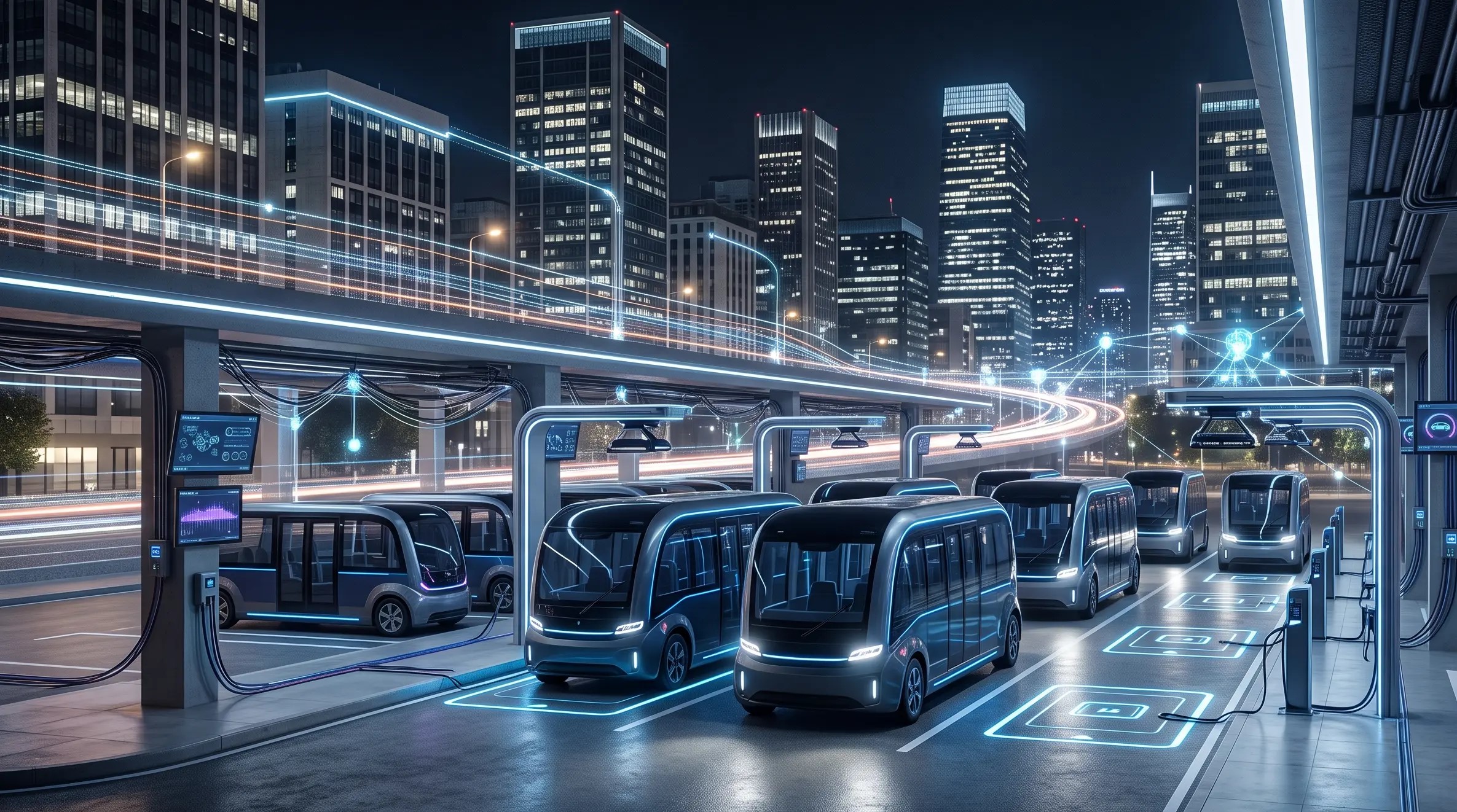
This cloud integration also facilitates the development of “software as a service” (SaaS) business models for the mobility sector. Manufacturers can offer specialized software packages—such as advanced fleet optimization tools or enhanced entertainment features for passengers—on a subscription basis. For software defined urban mobility fleets, this means that the vehicle’s capabilities can be tailored to the specific needs of each contract or route. This flexibility is a radical departure from the traditional model of fixed-asset procurement and is a key driver of the industry’s move toward more agile and capital-efficient operations.
Overcoming the Hurdles of Legacy Infrastructure and Regulation
Despite the clear benefits, the transition to software defined urban mobility fleets faces significant hurdles, particularly in the realm of regulation and legacy infrastructure. Current vehicle safety standards were often written with mechanical components in mind and may not fully account for the complexities of software-driven systems. Ensuring that a software update does not inadvertently affect a vehicle’s safety-critical functions is a major challenge for both manufacturers and regulators. This requires the development of new certification frameworks that can keep pace with the rapid cycles of software innovation.
Furthermore, many transit agencies are operating fleets with a 15- to 20-year lifespan, meaning that legacy vehicles will remain in service alongside modern software-defined ones for decades. Integrating these diverse assets into a single management platform requires sophisticated middleware that can translate between older mechanical protocols and new digital ones. The successful management of software defined urban mobility fleets therefore requires a hybrid approach, where the “old” and the “new” are bridged through digital intelligence. This transition period will be the testing ground for the resilience and adaptability of the world’s transport networks.
The cities of the future will be built on a foundation of digital intelligence, and software-defined mobility will be the engine that drives them forward. As we move away from the limitations of hardware and embrace the infinite possibilities of code, we are creating a mobility system that is not only more efficient and safe but also more human-centric. Transport Advancement believes that by putting software at the heart of our urban fleets, we ensure that our transport systems can grow and evolve alongside the communities they serve. The era of software defined urban mobility fleets is here, and it is transforming the way we move, one line of code at a time. The vehicle of tomorrow is no longer just a machine. It is a platform for innovation and a gateway to a smarter urban future.
