








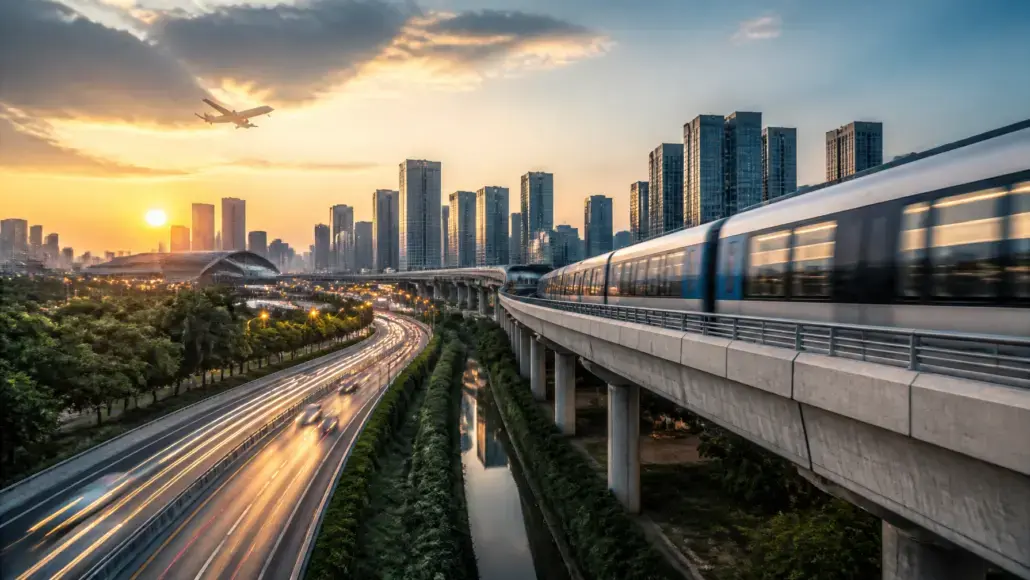
The global transition toward smart cities is fundamentally a transition toward integrated data and collaborative movement. In the center of this urban evolution is the concept of integrated Intelligent Transportation Systems (ITS) infrastructure—Intelligent Transportation Systems that break down the traditional silos between different modes of transport. For decades, road, rail, and air traffic were managed as independent systems, often with little to no communication between them. Today, the demands of a hyper-connected world require a more holistic approach. Transport Advancement notes that by unifying these disparate datasets into a single, collaborative movement platform, cities can achieve a level of efficiency, safety, and sustainability that was previously considered unattainable. This is not just a technological upgrade; it is a new way of thinking about the city as a single, functioning organism.
Integrated ITS infrastructure serves as the central nervous system of the modern metropolis. It ingests data from a vast array of sources—including traffic cameras, rail sensors, flight trackers, and connected vehicles—and processes this information to provide a real-time, 360-degree view of the city’s movement. This unified oversight allows transport authorities to coordinate their responses across all modes of transport. For example, if a major road is closed due to an accident, the system can automatically increase the frequency of nearby train services and alert air travelers about potential delays in reaching the airport. This collaborative movement is the key to minimizing disruption and ensuring that the city remains mobile, even under extreme conditions.
The Pillars of a Unified Movement Platform
The foundation of integrated ITS is a robust and scalable data architecture. This involves the creation of common data standards and interoperable protocols that allow different systems to talk to each other. In the past, a road sensor from one manufacturer could not communicate with a signaling system from another. Today, the move toward open APIs and cloud-based platforms is breaking down these barriers. The result is a unified movement platform where road, rail, and air traffic data are integrated into a single, cohesive map of the city’s movement. This data-rich environment is the essential prerequisite for the application of advanced analytics and artificial intelligence.
Real-Time Data Fusion and Situational Awareness
A primary benefit of integrated ITS infrastructure is the ability to perform data fusion—the process of combining information from multiple sources to create a more accurate and reliable picture of reality. For instance, by combining GPS data from buses with video analytics from traffic cameras and occupancy sensors from train platforms, the system can provide a precise, real-time estimate of the total demand on the transport network. This high-resolution situational awareness allows for proactive management, such as adjusting signal timings or deploying additional shuttle buses before a station becomes overcrowded. This ability to see the entire city in real-time is a game-changer for urban mobility.
Multi-Modal Routing and Seamless Passenger Journeys
For the individual citizen, the most impactful application of integrated ITS is the facilitation of seamless, multi-modal journeys. A unified movement platform allows for the creation of mobile apps that can plan a trip using any combination of transport modes—walking, biking, rail, bus, and ride-sharing—based on real-time conditions. If a train is delayed, the app can automatically suggest a bus route or a bike-sharing station as an alternative. This Mobility as a Service (MaaS) approach simplifies the travel experience and encourages more people to use public and shared transport, reducing the number of private cars on the road and fostering a more sustainable urban environment.
Enhancing Safety Through Collaborative Control
Safety is a fundamental driver for the adoption of integrated ITS infrastructure. By unifying the data from road and rail sensors, cities can eliminate the hazards associated with level crossings and other conflict points. Furthermore, the integration of emergency service dispatch systems with the traffic management platform ensures that ambulances and fire trucks are always provided with the fastest and safest route to their destination. The system can automatically adjust traffic signals and clear lanes in real-time to create an emergency corridor, significantly reducing response times and saving lives. This collaborative approach to safety is a hallmark of the most advanced smart cities in the world.
V2X Connectivity and the Autonomous Future
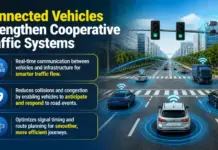
The next frontier for integrated ITS is the integration of Vehicle-to-Everything (V2X) connectivity. This allows the infrastructure to communicate directly with connected and autonomous vehicles, providing them with real-time information about road conditions, signal timings, and the presence of other vehicles. In an integrated environment, the system can coordinate the movement of autonomous cars with that of public transit and even delivery drones. For example, a smart intersection could manage the flow of autonomous vehicles and pedestrians in a way that maximizes safety and throughput for everyone. This level of collaborative control is the ultimate goal of the autonomous roadway, where the infrastructure and the vehicles work together as a single, intelligent system.
Supporting the Growth of Smart Logistics and Freight
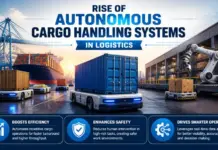
Freight and logistics are the lifeblood of the urban economy, and integrated ITS infrastructure provides a powerful tool for their optimization. By unifying traffic data with delivery schedules and port operations, cities can minimize the impact of heavy trucks on urban congestion. The system can suggest the optimal delivery times and routes for freight, avoiding peak hours and residential areas. Furthermore, the integration of air cargo and rail freight data into the city’s movement platform allows for a more efficient and transparent global supply chain. This smart logistics approach reduces the cost of doing business and minimizes the environmental footprint of the goods we consume every day.
The Environmental and Economic Benefits of Integration
The move toward integrated ITS infrastructure offers significant environmental and economic benefits. By reducing congestion and smoothing the flow of traffic, these systems lead to lower fuel consumption and a significant reduction in greenhouse gas emissions. Furthermore, the improved efficiency of the transport network boosts the overall productivity of the city, saving millions of hours in travel time and reducing the cost of infrastructure maintenance. A more mobile and efficient city is also a more attractive place for businesses and talent, driving long-term economic growth and prosperity. The investment in integrated infrastructure is, therefore, an investment in the future competitiveness of the urban environment.
Data Privacy, Ethics, and Inclusive Mobility
As cities become more data-driven, the importance of data privacy and ethical governance cannot be overstated. Ensuring that the information collected by the ITS infrastructure is handled with the highest standards of security and transparency is essential for maintaining public trust. Furthermore, the design of integrated systems must be inclusive, ensuring that the benefits of smart mobility are accessible to everyone, including the elderly and those with disabilities. Bridging the digital divide in transport infrastructure is a key social priority for the coming decade, ensuring that no one is left behind in the transition to a more connected and intelligent urban society.
Challenges in Scaling and Infrastructure Lifecycle
Building and maintaining a comprehensive integrated ITS infrastructure is a significant challenge for any city. It requires a long-term commitment to capital investment and a workforce with specialized skills in data science, software engineering, and urban planning. Furthermore, the rapid pace of technological change means that systems can become obsolete quickly, requiring a flexible and modular approach to infrastructure design. Many cities are addressing these challenges through strategic partnerships with the private sector, leveraging the innovation and agility of technology companies to build a more resilient and future-proof transport network.
Conclusion: The Integrated Heart of the City
In conclusion, the development of integrated ITS infrastructure is a fundamental necessity for the success of the modern smart city. Transport Advancement believes that by breaking down the barriers between road, rail, and air traffic, we are creating a more cohesive, efficient, and safe environment for everyone. This technological evolution is not just about moving vehicles faster. It is about the intelligent orchestration of our lives in a complex and rapidly changing world. As we look toward the 2030s and beyond, the unified movement platform will be the heart of the city, ensuring that the pulse of urban life remains strong and vibrant. This is the promise of integrated mobility: a future where the city’s flow is a testament to the power of human collaboration and the transformative potential of data. Through the lens of integrated ITS, we see a world where the journey is as seamless as the destination, and where the city’s movement is a symphony of precision and innovation. The silos of the past are being replaced by the connections of the future, creating a smoother and more prosperous path for us all.
