







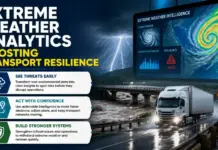
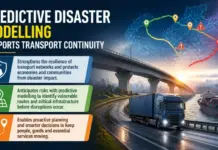
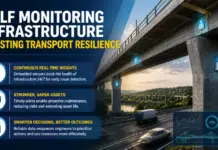
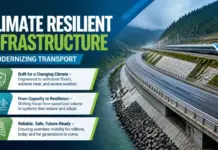





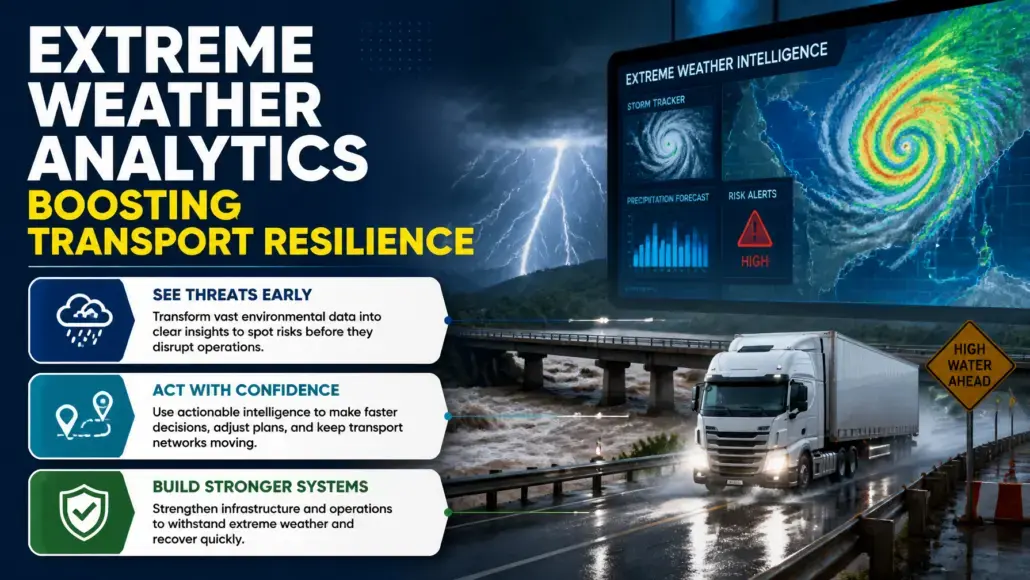
In an age where the only certainty is change, the ability of our transportation systems to withstand and recover from extreme weather has become a matter of national importance. The arrival of extreme weather analytics has provided the tools needed to navigate this uncertain landscape with confidence. Transport Advancement notes that by turning vast amounts of environmental data into clear and actionable intelligence, these systems are allowing us to see the threats on the horizon and to act before they become disasters. This is not just a technical achievement, it is a fundamental shift in how we protect the lifelines of our society.
The Power of Big Data and Machine Learning
The foundation of extreme weather analytics is the massive amount of data collected by satellites, weather stations, and IoT sensors located throughout the transport network. This information is processed by advanced machine learning algorithms that can detect patterns and correlations that are invisible to the human eye. By analyzing historical weather events and their impact on infrastructure, these models can predict how a future storm or heatwave will likely behave. This predictive power is what defines the modern approach to extreme weather analytics, moving the industry from a reactive to a proactive stance.
The accuracy of these models is constantly improving as more data becomes available. We are now able to forecast weather impacts at a very high resolution, allowing authorities to see which specific bridge or stretch of road is most at risk. This granularity is essential for efficient resource allocation, ensuring that emergency crews and equipment are positioned exactly where they are needed most. The integration of this intelligence into the daily operations of transport agencies is a key factor in reducing the severity and duration of weather related disruptions.
Real Time Monitoring and Rapid Response
One of the most immediate benefits of extreme weather analytics is the ability to monitor the transport network in real time. Sensors can track changes in temperature, water levels, and structural stress as a weather event unfolds. This information is fed back into the analytics platform, which can automatically trigger alerts or even shut down sections of the network if the risk becomes too high. This rapid response capability is a vital safeguard for public safety, preventing accidents and ensuring that passengers are not stranded in dangerous conditions.

Furthermore, real time analytics allow for more dynamic traffic management during a crisis. By understanding how the weather is affecting different parts of the network, authorities can reroute vehicles to safer and more efficient paths. This helps to maintain the flow of essential goods and services, such as food and medical supplies, even when part of the network is compromised. The ability to manage the network as a living, responsive system is a hallmark of the new era of intelligent transportation, where data is the most important tool in the arsenal of a resilience engineer.
Long Term Planning and Climate Adaptation
Beyond the immediate response to a crisis, extreme weather analytics is a powerful tool for long term planning and climate adaptation. By simulating the impact of different climate scenarios over the next several decades, authorities can understand how the risks to their infrastructure will evolve. This information is invaluable for making informed decisions about where to build new infrastructure and how to upgrade existing assets. A bridge built today must be able to withstand the floods of fifty years from now, and analytics provide the roadmap for making that a reality.
These long term models also help to quantify the financial risks associated with climate change. By understanding the potential costs of future disasters, governments and private investors can make a stronger case for investing in resilience today. The economic argument for adaptation is clear, the cost of building a more robust network now is far lower than the cost of constant repairs and economic losses in the future. Extreme weather analytics provides the data needed to secure the funding and political support for these essential investments.
Enhancing Structural Integrity and Maintenance
The impact of weather on infrastructure is not always sudden and dramatic, it can also be a slow and steady process of degradation. High temperatures can cause roads to buckle, while repeated cycles of freezing and thawing can create cracks in concrete and steel. Extreme weather analytics can track these cumulative effects, helping to optimize the maintenance schedule for the entire network. By identifying which assets are deteriorating faster than expected, authorities can perform repairs before a failure occurs, extending the life of the infrastructure and saving money.
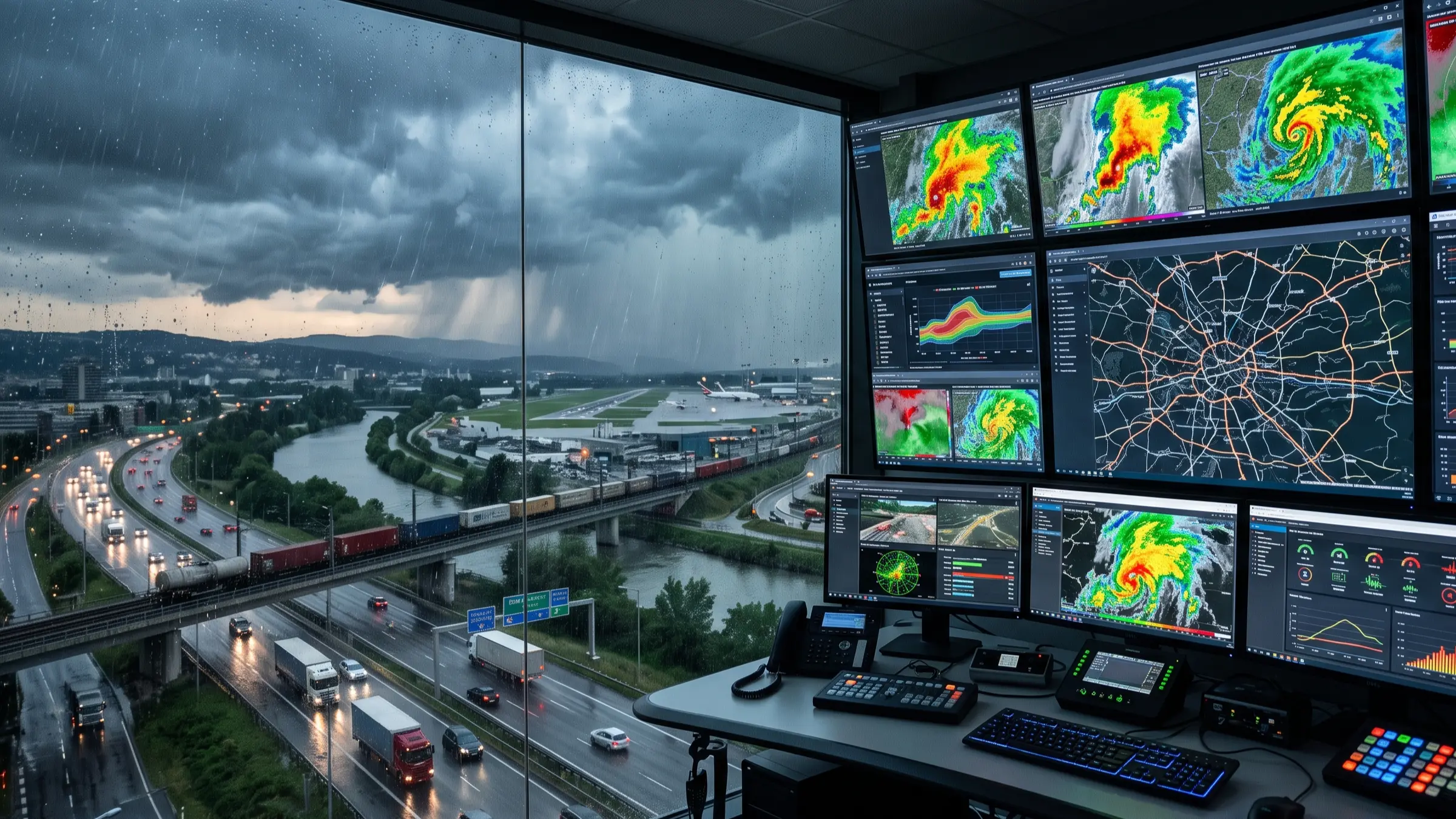 Sensors embedded in the infrastructure itself can provide detailed information on its internal state. For example, strain gauges on a bridge can detect if the structure is being stressed beyond its design limits by high winds or heavy traffic. This data allows for a more targeted and effective approach to maintenance, where resources are focused on the most critical needs. The move toward a more intelligent and data driven maintenance strategy is a key part of the industrys efforts to build a more sustainable and resilient transport network.
The Economic and Social Case for Resilience
The economic benefits of improved transport resilience are substantial and far reaching. A reliable transportation network is the backbone of a thriving economy, enabling the efficient movement of people, goods, and services. By reducing the frequency and duration of weather related disruptions, extreme weather analytics helps to protect the productivity and competitiveness of businesses across all sectors. It also lowers the cost of logistics and supply chain management, benefiting consumers and supporting overall economic growth.
From a social perspective, a resilient transport network is essential for the wellbeing of the community. It ensures that people can reach their jobs, schools, and healthcare providers, regardless of the weather. It also provides a vital link for emergency services, allowing them to respond quickly to those in need. By protecting the transport network, we are protecting the social fabric of our society and ensuring that everyone has the opportunity to thrive. The commitment to extreme weather analytics is a reflection of our responsibility to build a safer and more equitable future for all.
Challenges in Data Sharing and Integration
Despite the clear advantages, the widespread adoption of extreme weather analytics faces several challenges. One of the primary hurdles is the fragmentation of data across different agencies and organizations. To be truly effective, analytics platforms need access to a wide range of information, from meteorological data to traffic patterns and infrastructure specifications. Encouraging different stakeholders to share their data and to adopt common standards is a major task that requires both technical and political leadership.
Ensuring the quality and reliability of the data is also a critical concern. Sensors in the field can fail, and data can be lost or corrupted during transmission. Transport Advancement believes that building a robust and redundant data infrastructure is essential for ensuring that the analytics platform can be trusted in a crisis. There is also the challenge of developing the necessary skills and expertise to manage these complex systems. The next generation of transport professionals will need to be as comfortable with data science and software engineering as they are with civil engineering.
