












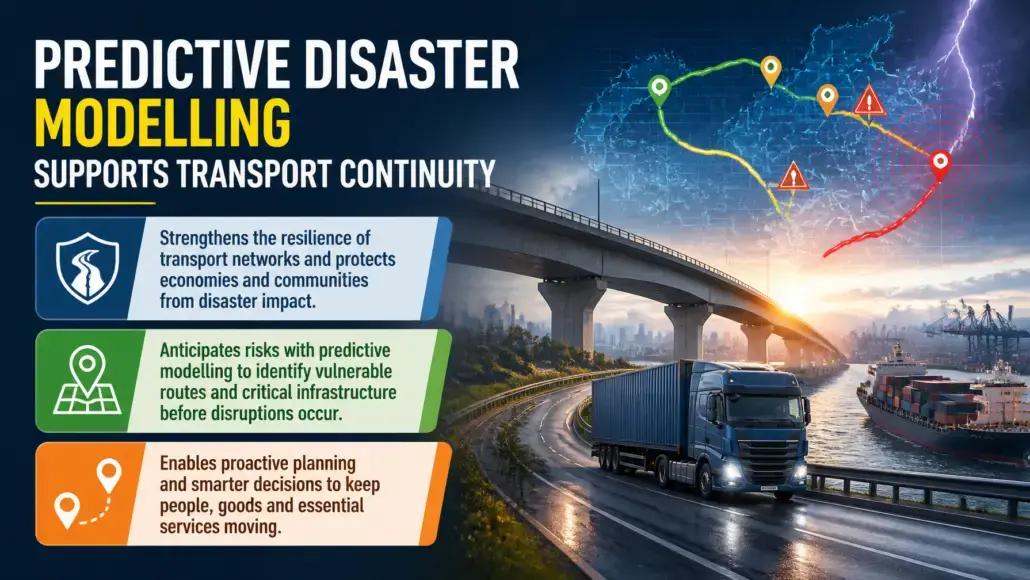
The resilience of a nations transportation network is the invisible shield that protects its economy and society from the impact of disasters. When this shield is breached, the consequences are immediate and far reaching, affecting everything from emergency response times to the stability of global supply chains. The arrival of predictive disaster modelling has provided the tools needed to strengthen this shield and to ensure that the lifelines of our society remain open even in the face of the most severe challenges. Transport Advancement notes that by turning uncertainty into insight, these models are allowing us to build a more stable and prosperous future.
The Power of Simulation and Big Data
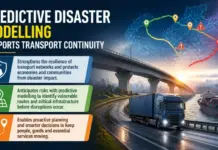
Predictive disaster modelling is built upon the integration of vast amounts of data, including historical disaster records, geological information, and the detailed specifications of the transport network. This information is used to create a digital twin of the infrastructure, which can then be subjected to thousands of simulated disaster scenarios. These simulations are not just simple projections, they are complex models that account for the interactions between different parts of the system and the cascading effects of a failure. This depth of analysis is what defines the modern approach to predictive disaster modelling, providing a level of foresight that was previously impossible.
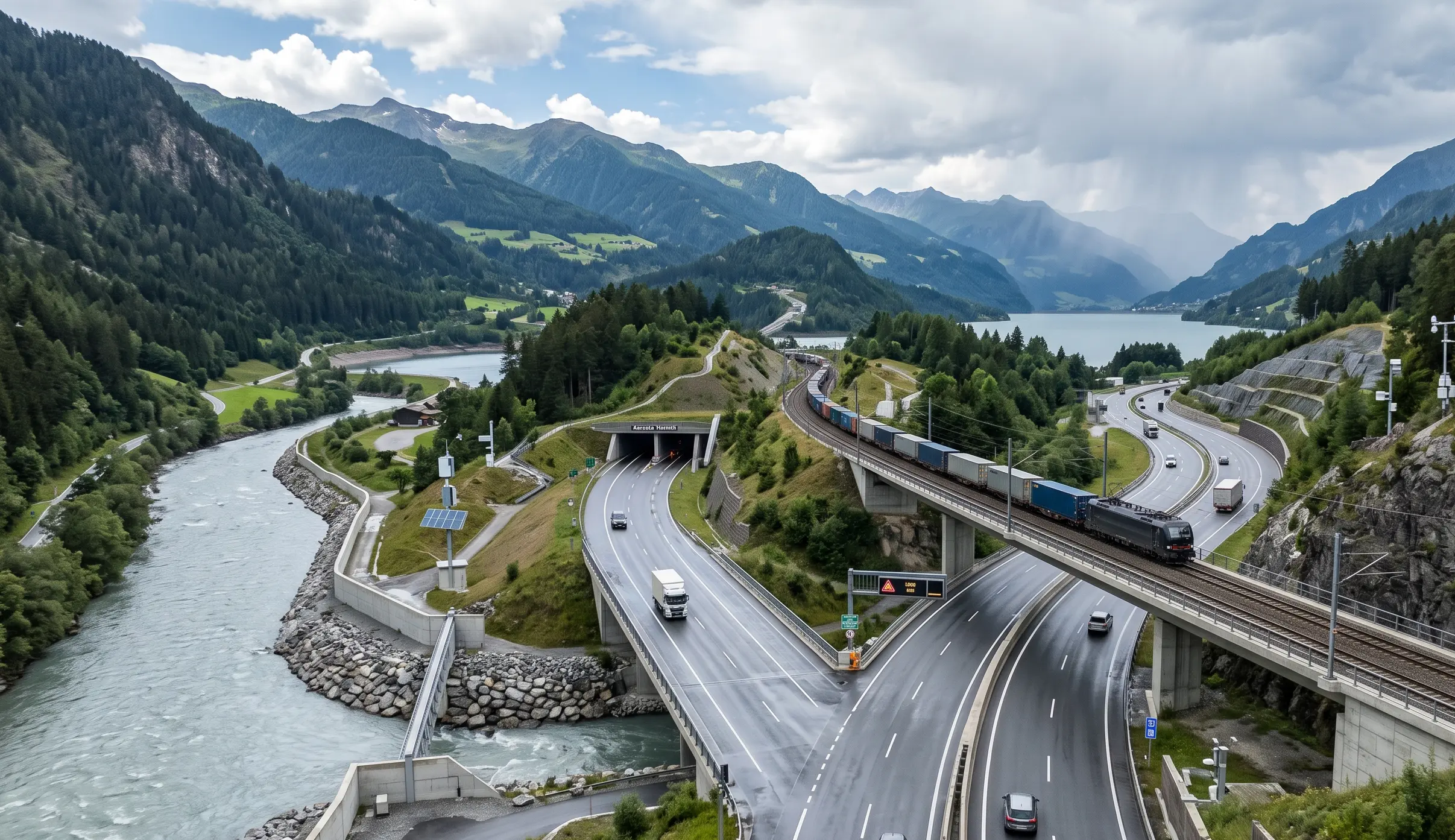
The accuracy of these models is constantly being refined through the use of high resolution data and machine learning. We are now able to simulate the impact of disasters at a very fine scale, allowing for the identification of specific bridges, tunnels, or embankments that are at the highest risk. This precision is essential for effective emergency planning, as it allows authorities to focus their efforts where they will do the most good. The ability to see the likely consequences of a disaster before it occurs is a game changer for transport management, moving the industry from a reactive to a proactive stance.
Real Time Decision Support and Crisis Management
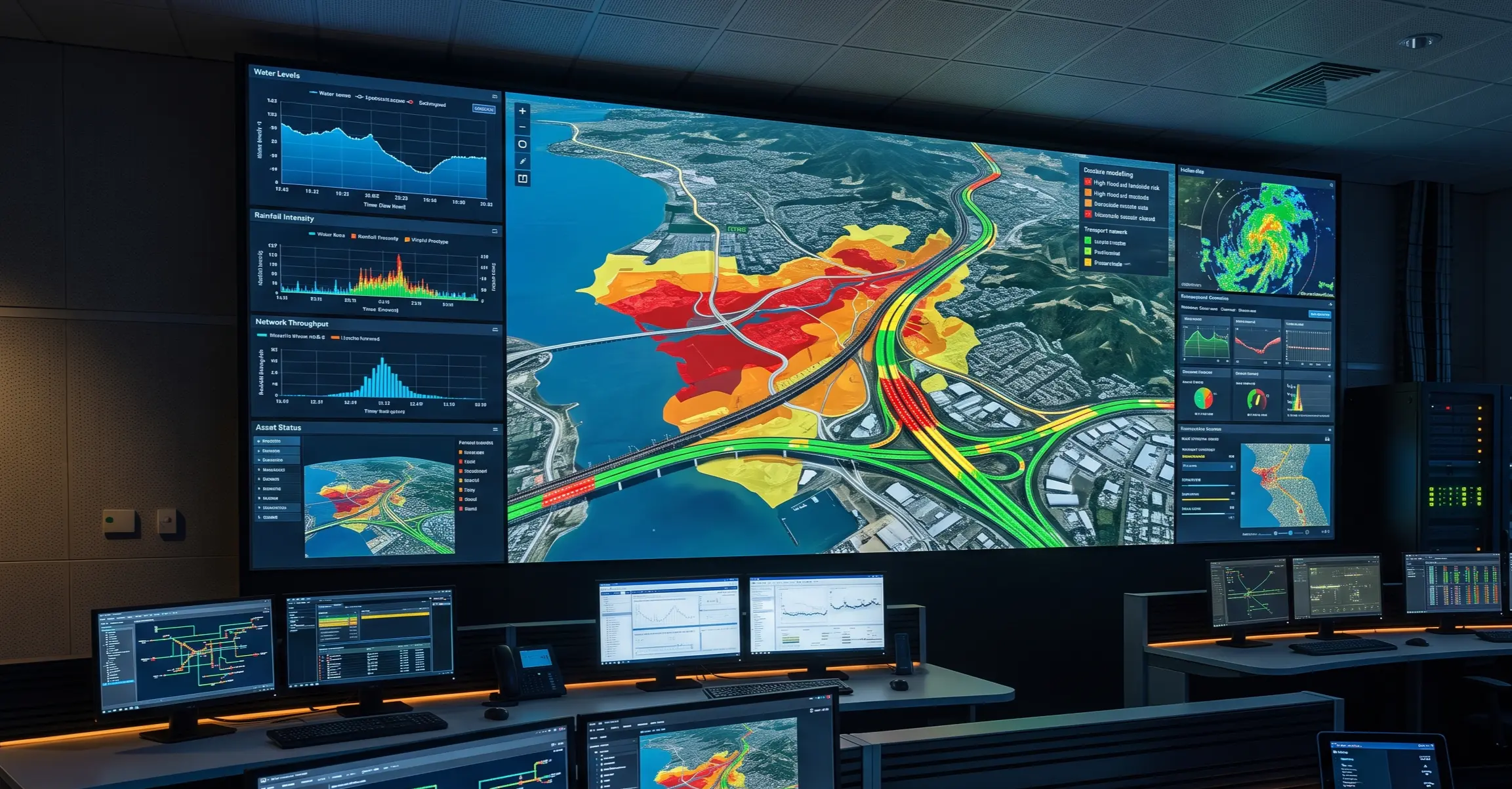
One of the most immediate benefits of predictive disaster modelling is the support it provides for real time decision making during a crisis. When a disaster strikes, time is the most precious resource, and having a predefined set of responses based on accurate modelling is invaluable. The map can show which routes are likely to be blocked, where the highest volume of evacuees will be, and how the flow of emergency supplies will be affected. This information allows for a more coordinated and effective response, saving lives and reducing the severity of the disruption.
Furthermore, predictive models allow for more dynamic and flexible crisis management. As the situation on the ground changes, the models can be updated with real time data to provide a revised set of projections and recommendations. This agility is essential for responding to the unpredictable nature of disasters and for ensuring that the response remains effective as the crisis evolves. The move toward a more intelligent and responsive management system is a hallmark of the new era of resilient transportation, where data is the primary tool for ensuring continuity.
Long Term Strategic Planning and Investment
Beyond the immediate response to a crisis, predictive disaster modelling is a vital tool for long term strategic planning. By evaluating the performance of the transport network under various future scenarios, authorities can make informed decisions about where to invest in new infrastructure and how to upgrade existing assets. A bridge that is designed today must be able to withstand the disasters of fifty years from now, and predictive modelling provides the roadmap for making that a reality. This forward looking perspective is essential for ensuring that infrastructure investments provide the best possible value over their entire life.
These long term models also help to build a more robust case for investment in resilience. By quantifying the potential economic losses associated with different disaster scenarios, governments and private investors can see the clear benefits of adaptation. The economic argument is compelling, the cost of building a more resilient network today is a fraction of the cost of repairing the damage and recovering from the economic losses caused by a future disaster. Predictive disaster modelling provides the data needed to secure the funding and political support for these essential projects.
Enhancing Structural Integrity and Resilience
The impact of disasters on infrastructure is often determined by the structural integrity of its individual components. Predictive modelling can identify which parts of the network are most likely to suffer from damage during a specific type of event, such as an earthquake or a flood. This information allows for a more targeted approach to reinforcement and maintenance, where resources are focused on the most critical needs. By strengthening the weakest links in the chain, authorities can significantly improve the overall resilience of the entire network.
The use of advanced materials and innovative designs is also being driven by the insights provided by predictive modelling. For example, engineers are developing bridge designs that can better withstand the lateral forces of an earthquake or the immense pressure of a storm surge. The integration of these features into the infrastructure of the future is a key part of the industrys commitment to building a more sustainable and resilient transport network. The move toward a more intelligent and data driven approach to engineering is a primary goal of the predictive disaster modelling strategy.
The Economic and Social Case for Continuity
The economic benefits of ensuring transport continuity are immense and touch every sector of society. A reliable transportation network is the foundation of economic growth, enabling the efficient movement of people, goods, and services. By reducing the frequency and duration of disaster related disruptions, predictive disaster modelling helps to protect the productivity and competitiveness of businesses. It also lowers the cost of logistics and supply chain management, benefiting consumers and supporting overall economic stability.
From a social perspective, transport continuity is a matter of public health and safety. It ensures that people can reach essential services and that emergency responders can reach those in need during a crisis. It also provides a vital link for the recovery and rebuilding process, allowing communities to return to normalcy as quickly as possible. By protecting the transport network, we are protecting the social fabric of our society and ensuring that everyone has the opportunity to thrive, even in the face of adversity. The commitment to predictive modelling is a reflection of our responsibility to build a safer and more resilient future for all.
Challenges in Modelling Complexity and Data Integration
Despite the clear advantages, the development and maintenance of high quality predictive disaster models face several challenges. The primary hurdle is the sheer complexity of the systems being modelled. A transport network is a dynamic and interconnected system, and accounting for all the variables and their interactions requires a high level of technical expertise and computing power. There is also a need for greater collaboration between different agencies and organizations to ensure that the models are based on the most complete and accurate data available.
Ensuring the reliability and security of the data used in these models is also a critical concern. In a crisis, the models must be trusted by decision makers, and any errors or inconsistencies could lead to costly mistakes. Transport Advancement believes that by building a robust data infrastructure and a culture of transparency and accountability is essential for the long term success of predictive disaster modelling. There is also the challenge of communicating the results of the modelling to the public in a way that is clear and actionable, without causing undue alarm.
