



















The physical world is often seen as static and unchanging, but for the engineers who manage our transportation networks, the reality is far more dynamic. Infrastructure is constantly aging, subjected to the relentless forces of weather, traffic, and time. For decades, the primary way to manage this degradation was through periodic physical inspections, a process that is both labor intensive and prone to human error. The arrival of self monitoring infrastructure technology has provided a new and more effective way to watch over our vital links. Transport Advancement notes that by giving the infrastructure a voice of its own, we are building a transportation network that is safer, more reliable, and more resilient than ever before.
The Architecture of Intelligent Infrastructure
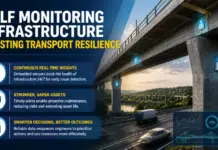
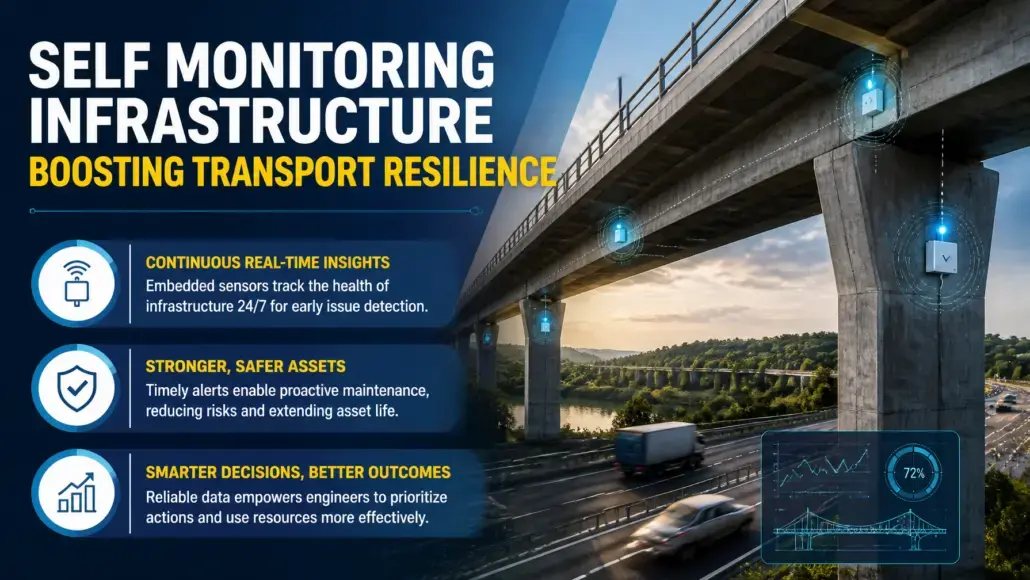
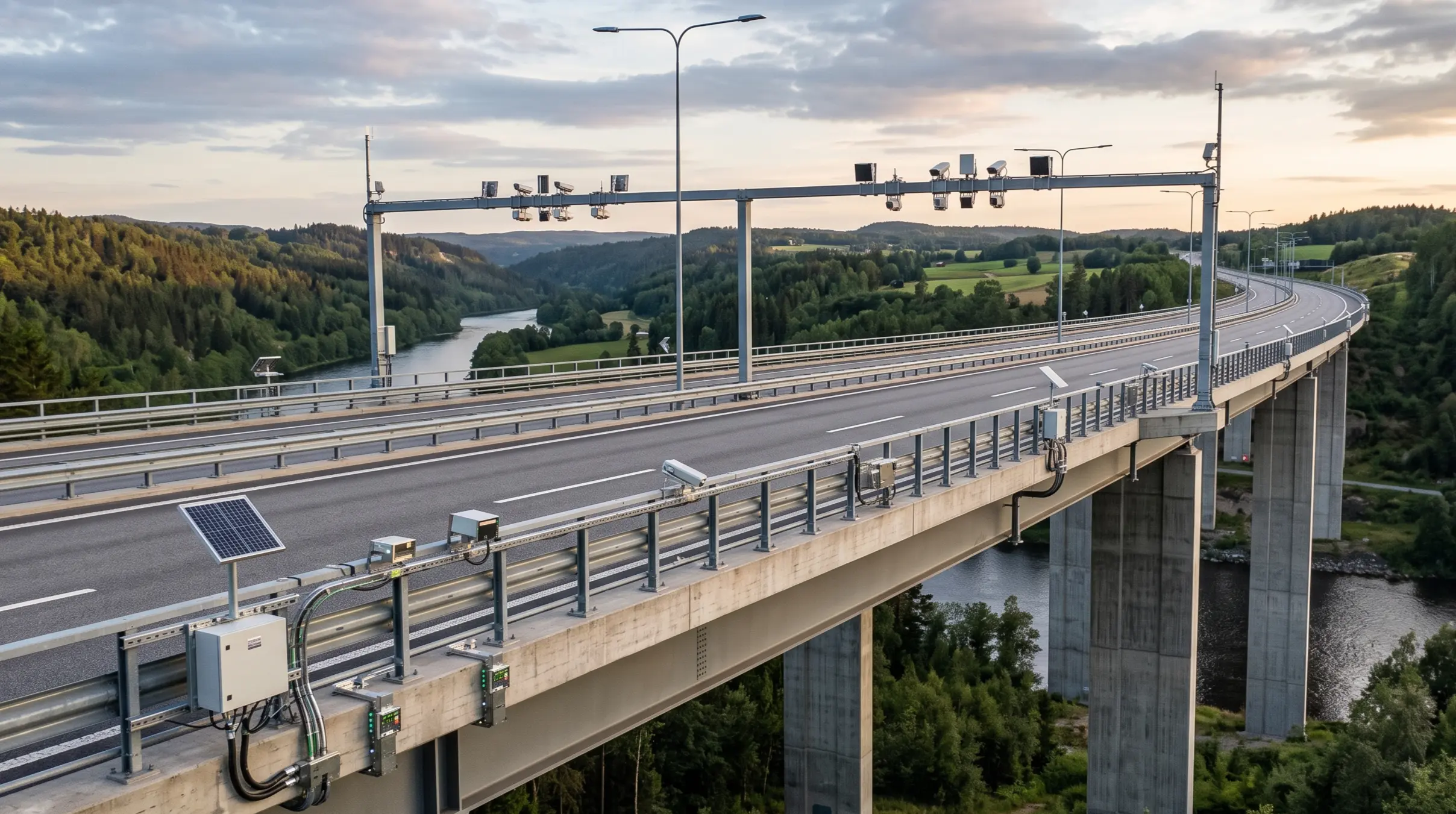
At the core of self monitoring infrastructure is a network of sensors that are designed to measure a wide range of physical parameters. Strain gauges, accelerometers, and acoustic emission sensors can be embedded in concrete or attached to steel beams to monitor the structural response of a bridge or a building. Temperature and moisture sensors can track the environmental conditions within the structure, providing early warning of potential corrosion or freeze thaw damage. This comprehensive view of the internal state of the infrastructure is what defines the modern approach to self monitoring infrastructure, providing a level of insight that was previously impossible.
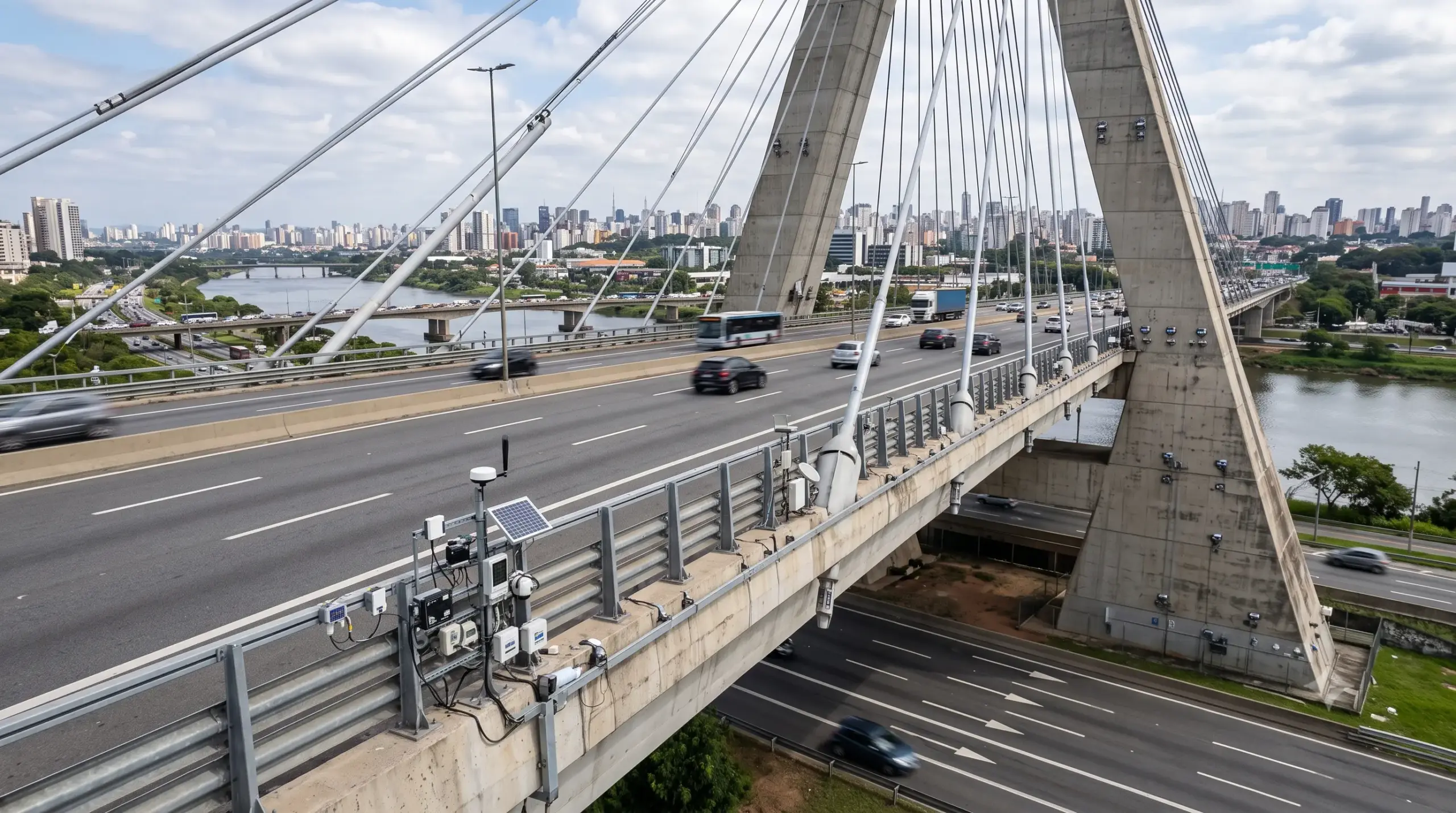
The data from these sensors is transmitted to a central control center, where it is analyzed by sophisticated software platforms. These platforms can detect patterns and anomalies that might indicate a problem, such as a shift in the natural frequency of a bridge or a sudden increase in the strain on a critical support. The integration of this intelligence into the daily operations of transportation agencies allows for a much more responsive approach to maintenance, where resources are focused on the most critical needs. The move toward a more intelligent and data driven approach to asset management is a key factor in ensuring the long term sustainability of our transport networks.
Real Time Structural Health Monitoring
The most immediate benefit of self monitoring infrastructure is the ability to track the structural health of critical assets in real time. In a traditional inspection regime, a problem might go undetected for months or even years between visits. With a self monitoring system, the infrastructure is being watched twenty four hours a day, seven days a week. This constant vigilance ensures that even the smallest changes are detected and reported immediately. This is particularly important for high risk assets such as older bridges or tunnels located in seismic zones, where the consequences of a failure can be catastrophic.
Furthermore, real time monitoring allows for a more dynamic and flexible approach to infrastructure management. If a sensor detects an unusual event, such as a heavy load that exceeds the design limits of a bridge, authorities can immediately inspect the structure and take the necessary precautions. This rapid response capability is a vital safeguard for public safety, preventing accidents and ensuring that the transport network remain secure. The ability to monitor the network as a living, responsive system is a hallmark of the new era of intelligent transportation, where data is the primary tool for ensuring resilience.
Economic Efficiency and Asset Longevity
The economic case for self monitoring infrastructure is compelling. While the initial investment in sensors and data management platforms can be significant, the long term savings are substantial. By detecting problems early, authorities can perform targeted repairs that are much cheaper and less intrusive than a major overhaul or a full replacement. Self monitoring infrastructure technology allows for an optimize maintenance schedule that is based on the actual condition of the asset, rather than a fixed calendar, saving both time and money.
Moreover, the higher quality of data provided by these systems leads to a longer productive life for the infrastructure. By understanding exactly how a structure is behaving, engineers can make more informed decisions about its capacity and its remaining useful life. This avoids the premature abandonment of assets that are still structurally sound and ensures that every dollar spent on infrastructure delivers maximum value. The move toward a more efficient and data driven approach to asset management is a strategic priority for every modern transportation agency, and self monitoring is a key tool for achieving this goal.
Enhancing Human Safety and Reducing Human Error
Safety is the paramount concern in every transportation project, and self monitoring infrastructure is at the forefront of protecting the public. By automating the monitoring process, these systems significantly reduce the risk of human error that can occur during physical inspections. A sensor does not get tired, it does not miss a detail, and it provides a consistent and objective record of the structures behavior. This shift not only protects lives but also leads to a more professional and motivated workforce, as employees can focus on high level analysis and complex repairs rather than routine inspections.
Consistency is another key benefit of the automated monitoring found in self monitoring infrastructure systems. In manual inspections, the quality and accuracy of the report can vary depending on the skill and experience of the individual inspector. With a digital system, the monitoring process follows a predefined set of optimal parameters, ensuring that every asset is evaluated with the same level of precision. This consistency is essential for the long term integrity of the transport network, as it ensures that all vulnerabilities are identified and addressed in a timely manner. The move toward a more reliable and transparent monitoring strategy is a major achievement for the modern transport industry.
The Future of Smart and Adaptive Infrastructure
Looking ahead, the field of self monitoring infrastructure is poised for even greater breakthroughs. The development of new, low power sensors and high speed wireless communication will allow for the monitoring of even larger and more remote networks. There is also a growing interest in the use of self healing materials that can automatically repair small cracks or damage, further enhancing the resilience of the infrastructure. These advancements will be supported by the further development of edge computing and AI, enabling a more seamless flow of intelligence between the asset and the manager.
Another exciting area of research is the development of smarter coatings that can change color or properties in response to stress or damage. By providing a visual signal of a problem, these materials could complement the digital sensors and provide an additional layer of safety. The integration of augmented reality will also allow engineers to see the internal state of the infrastructure directly in the field, further improving the speed and accuracy of repairs. As these and other innovations continue to mature, the ability of our transport networks to self monitor and self adapt will only continue to improve.
Environmental Stewardship and Sustainable Development
Efficiency in infrastructure management is also a key component of the industrys efforts to reduce its environmental impact. By extending the life of existing assets and reducing the need for new construction, self monitoring infrastructure helps to minimize the consumption of resources and the associated carbon emissions. A more efficient maintenance process also means that the surface location is occupied for a shorter duration, reducing the impact on the local community and the environment. These benefits are increasingly important as the industry faces greater pressure to operate in a sustainable and transparent manner.
The precision offered by self monitoring also contributes to a smaller environmental footprint. Transport Advancement believes that by ensuring that repairs are only performed when and where they are truly needed, operators can reduce the amount of waste generated by their maintenance activities. The move toward a more sustainable and responsible approach to infrastructure management is a vital part of the industrys commitment to providing the transport the world needs while protecting the planet for future generations. The continuous improvement in self monitoring technology is a key driver of this effort, ensuring a greener and more resilient future for all.
