












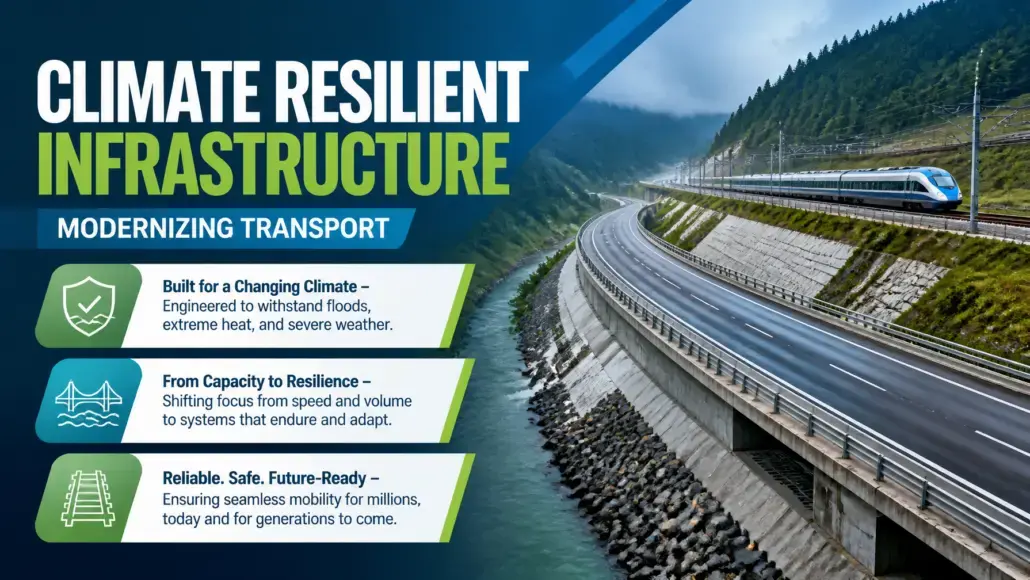
The world is currently witnessing a profound and necessary evolution in how we build and maintain our transportation systems. This climate resilient infrastructure is not just a technical update, it is a complete rethinking of the role of infrastructure in a changing environment. For over a century, the industry focused on speed and capacity, but today, the primary goal is resilience. The industry needs a network that is not only capable of moving millions of people every day but is also strong enough to survive the unprecedented extremes of our new climate reality.
The Physical Pillars of Resilience
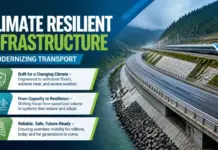
The first and most visible aspect of climate resilient infrastructure in transport is the physical reinforcement of the network. Engineers are developing new materials and construction techniques that are specifically designed to handle the stresses of a warming planet. In coastal areas, this means raising the height of roads and bridges to stay above rising sea levels and building more robust sea walls and flood barriers. In regions prone to extreme heat, it involves the use of polymer modified asphalt and reflective coatings that prevent roads from melting and tracks from buckling. These physical improvements are the frontline of our defense against the elements.
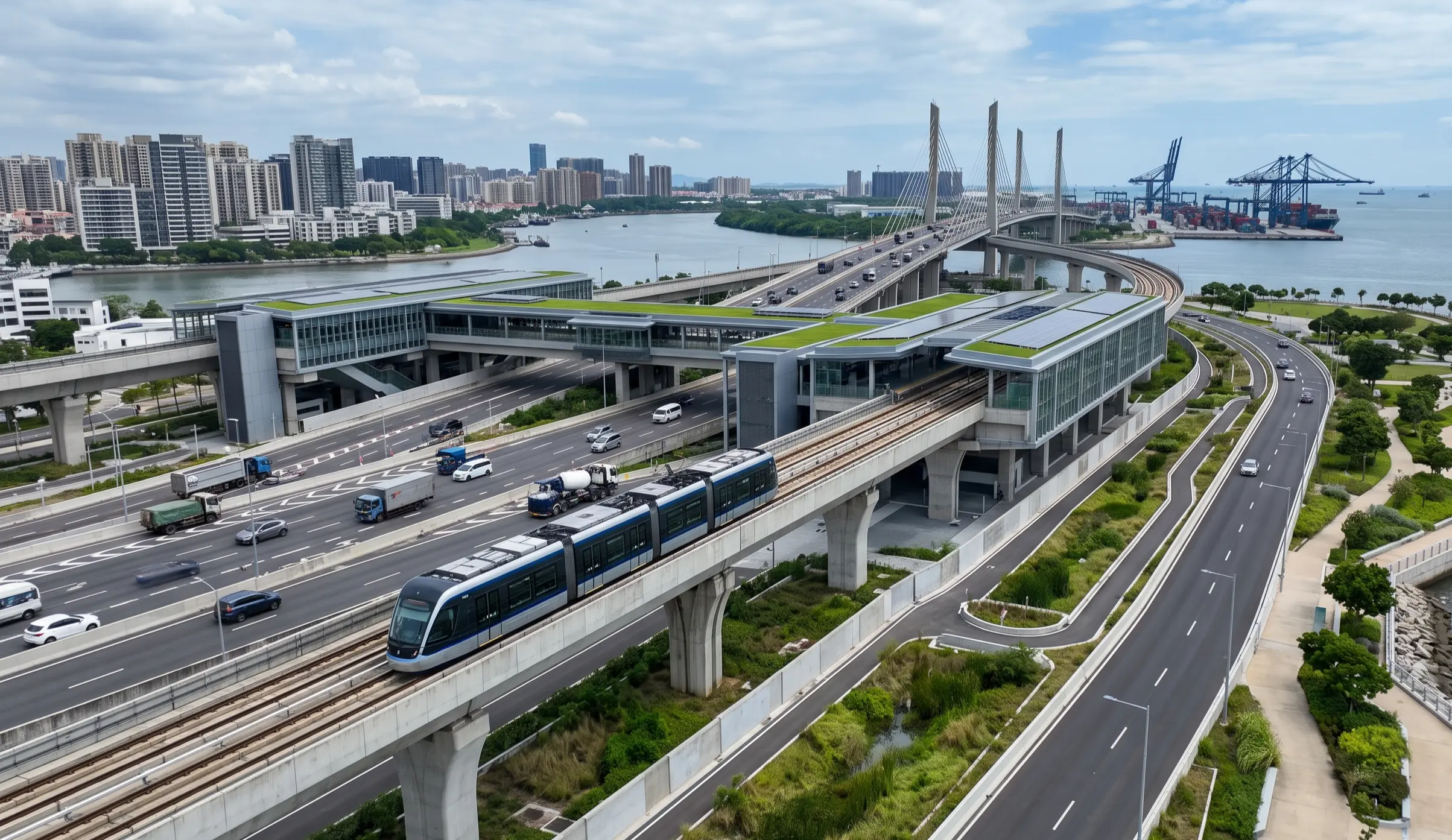 The design of the infrastructure is also becoming more adaptive. Modular bridge designs allow for rapid replacement after a disaster, while flexible pavement systems can better handle the expansion and contraction caused by temperature fluctuations. The integration of green infrastructure, such as bio swales and permeable pavements, helps to manage the increasing volumes of rainfall and to protect the network from flash flooding. This combination of robust engineering and ecological awareness is a hallmark of the modern approach to climate resilient infrastructure, creating a network that is both durable and sustainable.
The Role of Digital Intelligence and Big Data
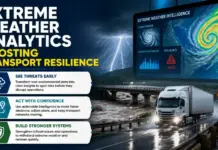
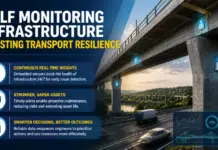
While physical engineering provides the strength, digital intelligence provides the agility needed for true resilience. The integration of IoT sensors and high speed telemetry throughout the transport network is a key component of climate resilient infrastructure. These systems provide a continuous stream of data on the structural health and environmental conditions of every asset, allowing for a proactive approach to management. If a sensor detects a high level of thermal stress or a rising water level, authorities can take immediate action to protect the infrastructure and the public.
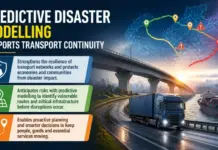
Big data and machine learning are also being used to refine the long term planning process. By analyzing vast amounts of historical weather data and infrastructure performance, predictive models can identify the most vulnerable parts of the network and prioritize the necessary upgrades. This data driven approach ensures that resources are focused where they will have the greatest impact on resilience and that investments provide the best possible value over time. The digital transformation of the transport industry is not just about efficiency, it is about building the intelligence needed to survive in an unpredictable world.
Economic Stability and the Future of Mobility
The economic case for climate resilient infrastructure in transport is compelling. A resilient transportation network is the backbone of a stable and prosperous economy, enabling the efficient flow of goods and services. By reducing the frequency and duration of weather related disruptions, resilience helps to protect the productivity of businesses and to lower the costs of logistics. It also reduces the long term financial burden on governments, as the cost of building a more robust network now is far lower than the cost of constant repairs and economic losses in the future.
Furthermore, a resilient transport network is essential for the future of human mobility. As more people move into cities, the demand for reliable and safe transportation is only going to grow. Climate resilient infrastructure ensures that we can continue to meet this demand, even as the environment becomes more challenging. It provides the stability and predictability that are needed for social cohesion and for ensuring that everyone has access to the opportunities and services they need to thrive. The move toward a more resilient transportation system is thus an investment in the social and economic wellbeing of all.
Enhancing Social Equity and Protecting Communities
Disasters often have a disproportionate impact on the most vulnerable members of society, who may live in areas with poor infrastructure or who have limited resources to recover. A key goal of climate resilient infrastructure is to ensure that all communities are protected and that the transport network provides equitable access for everyone. This means prioritizing investments in high risk areas and ensuring that the needs of all citizens are considered in the planning and design process. A resilient transportation network is a powerful tool for promoting social equity and for building a more inclusive society.
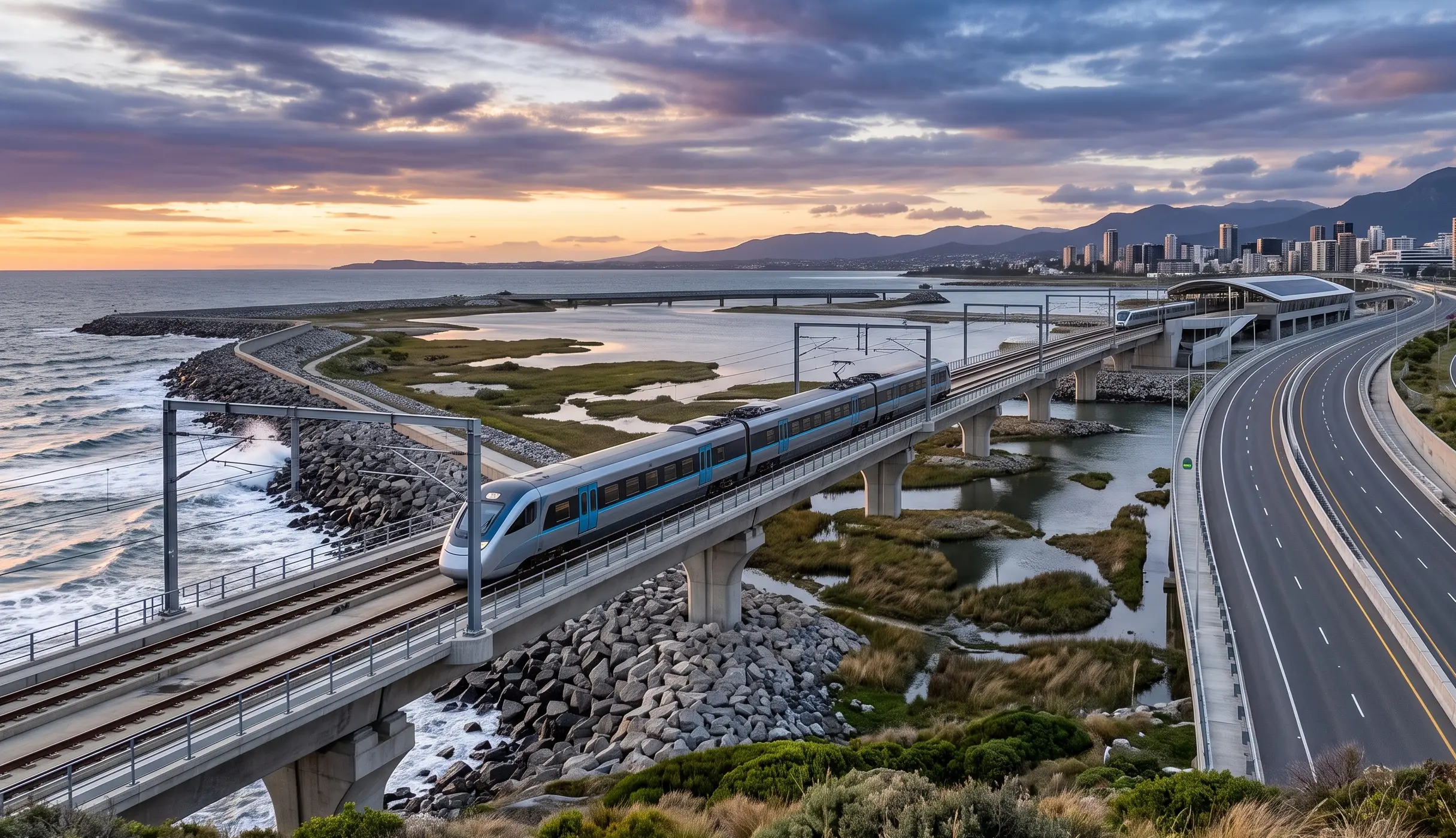
Public safety is also a primary driver of the commitment to resilience. During a major weather event, the stability of the transport network can be the difference between life and death. A road that is not submerged or a bridge that remains open allows emergency services to reach those in need and facilitates the safe evacuation of at risk areas. By building more resilient infrastructure, we are fulfilling our responsibility to protect one another and to ensure the safety of our communities in the face of natural disasters. The social value of these efforts is as significant as their technical and economic impact.
Challenges in Policy and Global Collaboration
Despite the clear benefits, the transition to climate resilient infrastructure faces significant challenges. The primary hurdle is the high cost of upgrading existing systems and the need for new, innovative solutions that may require a significant initial investment. In many regions, there is also a lack of political will to prioritize long term resilience over short term gains. Finding the necessary funding and securing the support of all stakeholders is a major task that requires both vision and leadership.
There is also a need for greater global collaboration and the sharing of best practices. The challenges of climate change are not confined to any one nation, and the lessons learned in one part of the world can be invaluable for another. Developing international standards and common frameworks for resilience is essential for ensuring that all nations can benefit from the latest innovations and that the global transportation network remains secure. The climate resilient infrastructure is a collective effort that requires the participation of government, industry, and academia from across the globe.
The Next Frontier in Resilient Infrastructure
Looking ahead, the next frontier in climate resilient infrastructure will likely involve even higher levels of innovation and integration. We are moving toward a future where infrastructure will be truly autonomous and self healing, capable of detecting and repairing its own damage. New materials that can capture carbon or generate energy from the movement of vehicles will further enhance the sustainability of the network. The integration of advanced air mobility and other new forms of transport will also require a rethinking of the traditional infrastructure model.
As these technologies continue to mature, the focus will remain on building a transportation system that is as adaptable as it is resilient. The ability to learn from the environment and to continuously improve the performance of the network will be the hallmark of the future of transport. The commitment to climate resilient infrastructure is a journey with no final destination, as we must constantly adapt to the changing needs of our society and the changing state of our planet. Transport Advancement believes that by working together, we can ensure that the transport networks of the future are as strong and reliable as the people who use them.
