







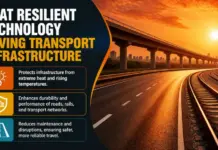





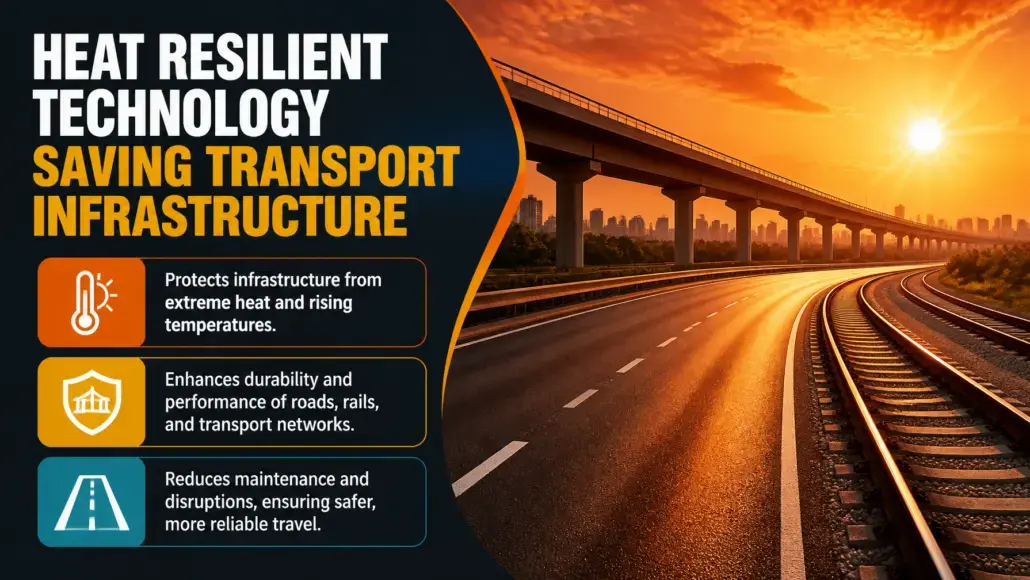
The physical world is built on the assumption of a stable climate, but as that stability fades, the infrastructure that supports our society is beginning to show the strain. Among the many challenges posed by a changing environment, extreme heat is one of the most pervasive and damaging to transportation networks. The arrival of heat resilient technology has provided a necessary defense against the blistering temperatures that are becoming the new normal. Transport Advancement notes that by rethinking the materials and designs that form the basis of our roads and railways, we are ensuring that the connections that bind our society together remain strong and reliable.
The Impact of Thermal Stress on Infrastructure
Extreme heat is not just a matter of discomfort for travelers, it is a significant threat to the physical integrity of the transport network. When temperatures rise, materials expand, and if that expansion is not managed, it can lead to catastrophic failures. In railway systems, intense heat can cause the steel tracks to buckle or kink, a phenomenon known as sun kink, which can derail trains and cause major accidents. On the roads, extreme temperatures can soften the asphalt, leading to rutting and melting that make the surface hazardous for vehicles. These impacts are a clear sign that the infrastructure of the past is no longer fit for the climate of the future.
The degradation caused by heat is also a long term issue. Repeated cycles of intense heat and cooling can weaken the molecular structure of materials, leading to premature aging and failure. This increased rate of deterioration means that infrastructure must be repaired and replaced more frequently, placing a significant financial burden on transportation agencies. The move toward heat resilient technology in transport is thus driven by both a need for immediate safety and a desire for long term economic sustainability. By investing in more robust solutions today, we can avoid the much higher costs of failure and constant repairs tomorrow.
Advanced Materials and Heat Reflective Surfaces
One of the most effective strategies for building heat resilience is the use of advanced materials that can either withstand higher temperatures or actively reflect solar radiation. In the world of road construction, this involves the use of polymer modified binders that increase the softening point of asphalt, making it much more resistant to rutting and melting. Engineers are also experimenting with cool pavements that incorporate reflective aggregates or coatings to reduce the amount of absorbed heat. These surfaces can be significantly cooler than traditional asphalt, helping to mitigate the urban heat island effect and protecting the road from thermal degradation.
For railways, the focus is on the development of heat resistant alloys and the use of specialized coatings that can reflect heat away from the tracks. Some rail operators are now painting their tracks white in areas prone to extreme heat, a simple but effective technique that can reduce the temperature of the steel by several degrees. The use of more robust concrete sleepers and advanced fastening systems also helps to provide the mechanical strength needed to resist the forces of thermal expansion. These material innovations are the frontline of heat resilient technology in transport, providing a physical barrier against the power of the sun.
Thermal Management and Innovative Design
Beyond material science, the design of infrastructure itself is evolving to better manage heat. Modern bridges and tunnels are being equipped with advanced ventilation and cooling systems that can dissipate heat from critical structural components. In urban areas, the integration of green infrastructure, such as trees and vertical gardens, provides natural shade and cooling for roads and sidewalks. This holistic approach to thermal management ensures that infrastructure remains functional and comfortable, even when ambient temperatures are soaring.
The concept of thermal breaks is also becoming more common in civil engineering. By incorporating materials with low thermal conductivity at strategic points in a structure, engineers can prevent the transfer of heat from the surface to the internal components. This is particularly important for protecting the sensitive electrical and mechanical systems that are essential for the operation of modern transport networks. The flood resistant transport infrastructure spotlight and the focus on heat resilience are often combined, as engineers look for multi functional designs that can handle both water and heat in a changing climate.
Real Time Monitoring and Predictive Analytics
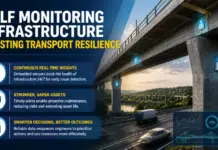
The modern approach to heat resilience is increasingly defined by the use of data and technology. Real time sensors placed throughout the transport network can monitor the temperature of tracks, roads, and bridges, providing a continuous stream of information to control centers. This data allows authorities to implement proactive measures, such as imposing speed restrictions on trains or activating cooling systems, before the thermal stress reaches a critical level. The ability to monitor the network as a living system is a key factor in ensuring public safety during a heatwave.
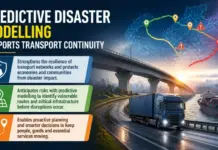
Predictive analytics and climate modeling also play a vital role in the planning and design of new infrastructure. By simulating the impact of future heat events, engineers can identify the most vulnerable parts of the network and prioritize investments where they are needed most. These models take into account a wide range of factors, including the projected increase in the frequency and intensity of heatwaves and the urban heat island effect. The heat resilient technology in transport framework is thus driven by a sophisticated and data rich understanding of the future of our climate.
The Economic and Social Case for Heat Resilience
The economic benefits of improved heat resilience are substantial and far reaching. A reliable transportation network is essential for the efficient movement of people and goods, which is the foundation of economic growth. By reducing the frequency of heat related disruptions, heat resilient technology in transport helps to protect the productivity of businesses and to lower the costs of logistics. It also reduces the long term maintenance costs for infrastructure agencies, allowing for a more efficient use of public funds.
From a social perspective, heat resilience is a matter of equity and public health. Extreme heat often has the greatest impact on those who rely on public transportation and who may have limited access to air conditioned environments. By ensuring that trains and buses remain operational and that the infrastructure is safe, we are protecting the mobility and wellbeing of all citizens. The commitment to heat resilience is also a key part of our efforts to build more liveable and sustainable cities, where infrastructure works in harmony with the environment and enhances the quality of life for everyone.
Challenges in Scaling and Implementation
Despite the clear advantages, the widespread adoption of heat resilient technology in transport faces several challenges. The primary hurdle is the high cost of upgrading existing infrastructure and the need for new, specialized materials that may be more expensive than traditional ones. In many regions, there is also a lack of standardized codes and regulations that specifically address heat resilience, making it difficult for engineers to incorporate these features into their designs. Overcoming these barriers will require a concerted effort from government, industry, and academia.
There is also a need for greater public awareness and political will to prioritize climate adaptation. While the impacts of a flood or a storm are sudden and dramatic, the damage caused by heat is often slower and less visible. However, as the reality of extreme heat becomes more apparent, the pressure on authorities to act is growing. Transport Advancement believes that the successful implementation of heat resilient technology in transport infrastructure will require a vision that extends beyond the immediate future and a commitment to building a network that can withstand the tests of a changing world.
