















The maritime shipping industry, the lifeblood of global trade, is currently grappling with an unprecedented challenge: how to transition away from the heavy fuel oils that have powered the seas for over a century. With the International Maritime Organization (IMO) setting ambitious targets for greenhouse gas reduction, the search for a scalable, sustainable, and operationally viable fuel has become a top priority for shipowners and fuel producers alike. Transport Advancement notes that among the various contenders, green methanol as alternative marine fuels has emerged as a frontrunner. Offering a unique combination of handleability, existing infrastructure compatibility, and a clear path to carbon neutrality, green methanol is no longer just a theoretical possibility but a rapidly maturing reality that is reshaping the future of maritime logistics.
The Chemistry and Production of Green Methanol
Methanol (CH3OH) is a simple alcohol that is widely used in the chemical industry, but its application as a fuel requires a specific production pathway to be considered truly green. Traditional methanol is produced from natural gas or coal, resulting in high carbon emissions. In contrast, green methanol as alternative marine fuels is produced using two primary sustainable methods: bio-methanol and e-methanol. Bio-methanol is derived from sustainable biomass feedstocks, such as agricultural waste, forestry residues, or municipal solid waste, through a process of gasification and synthesis. This pathway utilizes carbon that is already part of the natural cycle, significantly reducing the net carbon footprint.
E-methanol, on the other hand, is a purely synthetic fuel. It is produced by combining green hydrogen—generated from water using renewable electricity—with captured carbon dioxide. If the CO2 is sourced from Direct Air Capture or biogenic sources, the resulting fuel is essentially carbon-neutral. When burned in a ship’s engine, green methanol as alternative marine fuels releases the same amount of CO2 that was captured during its production, creating a closed-loop system. This ability to produce a liquid fuel from air, water, and sunlight is the holy grail of sustainable energy, providing a pathway to decarbonize the longest and most energy-intensive shipping routes without relying on finite land resources.
Technical Advantages: Handling and Storage at Sea
One of the most compelling reasons for the rise of green methanol as alternative marine fuels is its physical properties. Unlike liquid hydrogen, which must be stored at extremely low temperatures (-253°C), or ammonia, which is highly toxic and requires stringent safety protocols, methanol is a liquid at ambient temperature and pressure. This makes it significantly easier to handle, transport, and store using technology that is already familiar to the maritime industry. While methanol has a lower energy density than traditional fuel oil—requiring about twice the storage volume for the same energy—it is far more dense than gaseous alternatives.
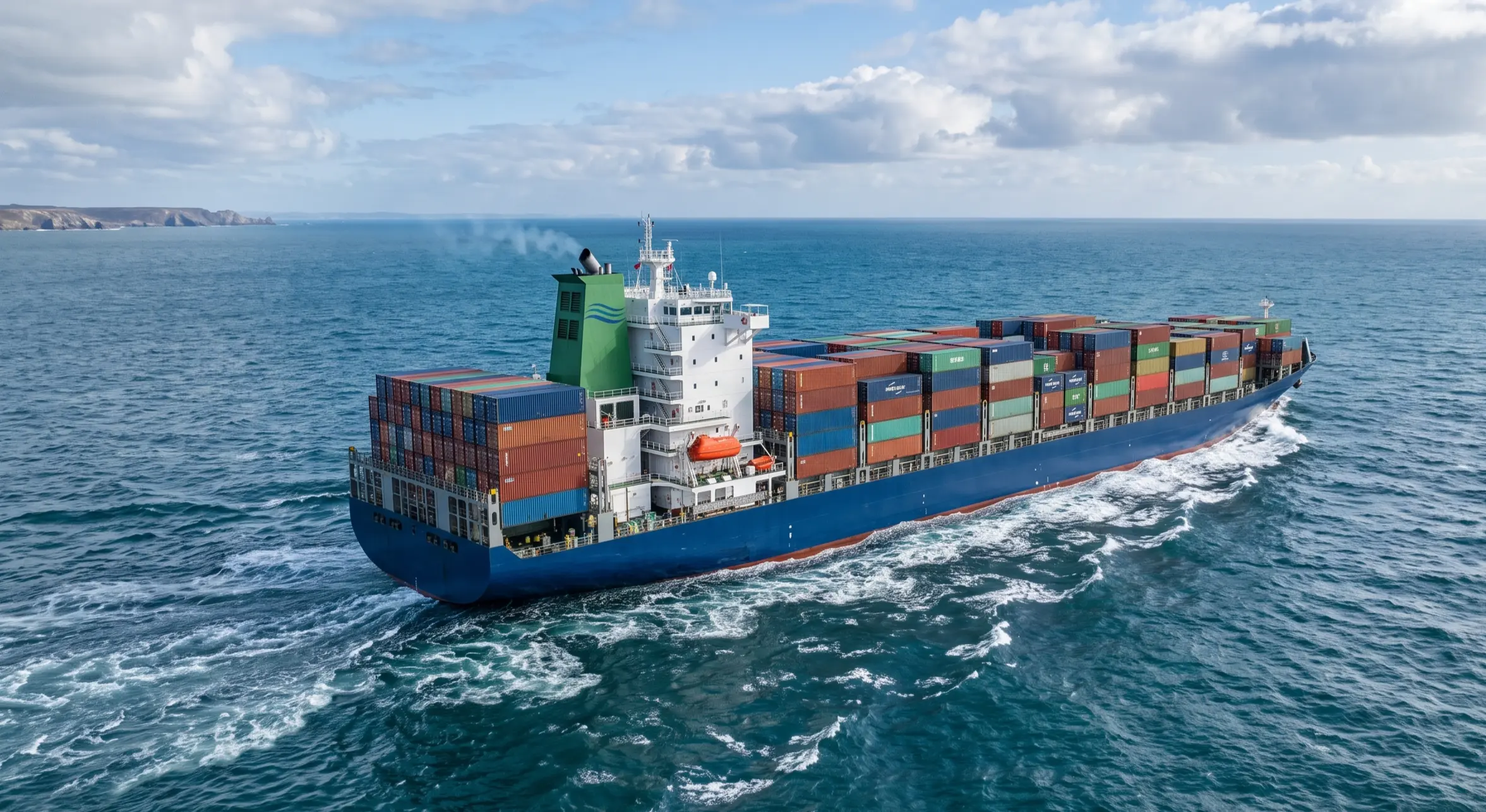
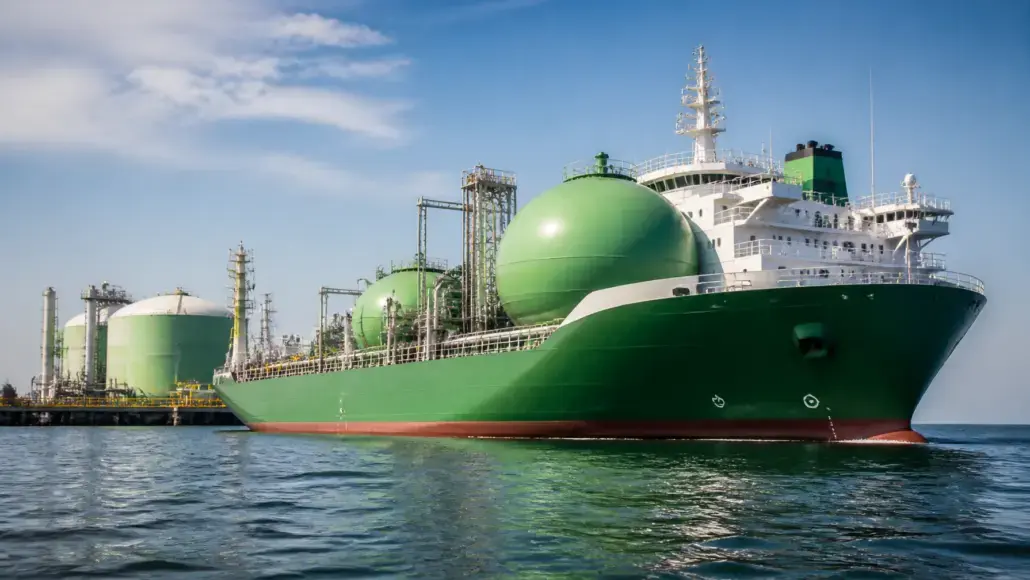
For ship designers, methanol offers a pragmatic path forward. The tanks can be integrated into the ship’s structure, similar to traditional fuel tanks, with relatively minor modifications for material compatibility and fire safety. Methanol-ready engines are already in production and have been successfully deployed on a growing number of vessels. These dual-fuel engines can run on both methanol and traditional fuel oil, providing shipowners with the flexibility to transition as green methanol as alternative marine fuels becomes more widely available. This operational flexibility is crucial for an industry that operates across vastly different regulatory and infrastructure environments.
The Market Momentum: Industry Leaders and Order Books
The transition to green methanol as alternative marine fuels is being led by some of the biggest names in the shipping world. A.P. Moller-Maersk, the global logistics giant, has been a vocal advocate and early adopter, ordering a fleet of large container ships designed to run on green methanol. The launch of the Laura Maersk, the world’s first methanol-enabled container vessel, marked a historic milestone in the industry. Other major players, including CMA CGM, COSCO, and HMM, have followed suit, leading to a surge in orders for methanol-capable vessels. According to recent data, methanol is now the leading choice for newbuild orders for alternative-fueled container ships, surpassing even liquefied natural gas (LNG) in some segments.
This demand signal from the world’s largest carriers is having a transformative effect on the fuel supply chain. Fuel producers and energy companies are responding by announcing massive green methanol production projects in regions with abundant renewable energy, such as China, South America, and the Middle East. The commitment of major carriers to purchase green methanol as alternative marine fuels provides the long-term certainty that investors need to fund large-scale refineries and electrolyzers. This virtuous cycle of demand and supply is essential for overcoming the chicken and egg problem that has historically plagued the adoption of alternative fuels.
Overcoming the Economic and Scaling Hurdles
Despite the rapid growth in vessel orders, the widespread adoption of green methanol as alternative marine fuels faces a significant economic challenge: the green premium. Green methanol is currently more expensive to produce than fossil-based fuels, primarily due to the high cost of renewable electricity and the nascent state of carbon capture technology. For methanol to become a mass-market fuel, the production costs must fall, and the availability of green hydrogen must increase exponentially. Estimates suggest that the shipping industry will require hundreds of millions of tons of green methanol annually to meet net-zero targets, a scale that dwarfs current production.
To address this, international and regional policy frameworks are being developed. The EU’s FuelEU Maritime regulation and the inclusion of shipping in the Emissions Trading System (ETS) are creating a financial incentive to move away from high-carbon fuels. At the global level, the IMO is working on mid-term measures, including a potential global carbon levy, which would help bridge the price gap between green methanol as alternative marine fuels and traditional bunkers. Furthermore, the development of Green Shipping Corridors—strategic routes between major ports where green fuels are prioritized—is helping to cluster infrastructure and concentrate demand, making the early deployment of methanol hubs more economically viable.
Safety, Standards, and Environmental Benefits
Beyond carbon reduction, green methanol as alternative marine fuels offers significant environmental benefits for port communities and marine ecosystems. Methanol burns much cleaner than heavy fuel oil, resulting in a 99% reduction in sulfur oxides (SOx) and a significant reduction in nitrogen oxides (NOx) and particulate matter. This improvement in local air quality is a major advantage for busy ports located near residential areas. Furthermore, in the event of a spill, methanol is biodegradable and dissolves in water, posing a much lower risk to marine life and coastlines than a traditional oil spill, which can have devastating and long-lasting effects.
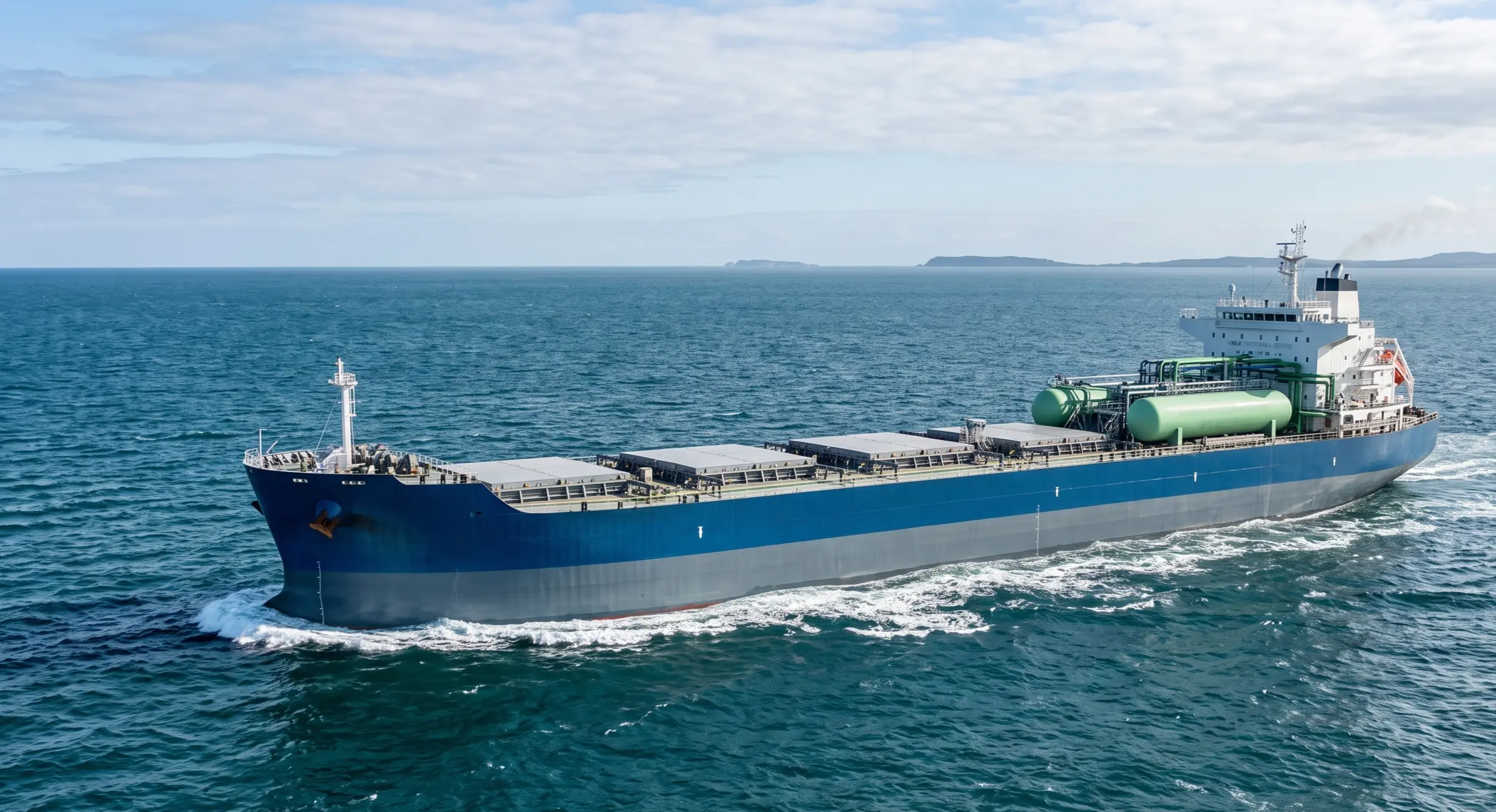
Safety standards for the use of green methanol as alternative marine fuels are already well-established. The IGF Code (International Code of Safety for Ships using Gases or other Low-flashpoint Fuels) provides a robust regulatory framework for the design and operation of methanol-fueled vessels. The industry has decades of experience in transporting methanol as cargo, and those safety protocols are being adapted for its use as a fuel. While methanol is flammable and its flame is invisible in daylight, advanced detection systems and specialized firefighting equipment are standard on methanol-powered ships, ensuring that the risk is managed to the highest industrial standards.
The Role of Digitalization and Supply Chain Transparency
The success of green methanol as alternative marine fuels is also tied to the digital transformation of the shipping industry. To claim the carbon benefits of green fuels, shipowners must be able to prove the fuel’s origin and sustainability credentials. Digital platforms and blockchain technology are being used to create a digital thread that tracks green methanol from the point of production to the engine. This level of transparency is essential for regulatory compliance and for meeting the sustainability requirements of cargo owners, such as global retailers who are under pressure to decarbonize their entire supply chains.
Moreover, AI-powered voyage optimization tools are being used to maximize the efficiency of methanol-fueled ships. Because methanol is a more expensive fuel, every percentage point of efficiency gained through better routing, hull maintenance, or weather forecasting has a significant impact on the bottom line. This intersection of green fuels and digital technology is creating a more sophisticated, efficient, and transparent maritime sector that is better equipped to navigate the complexities of the energy transition.
Conclusion: A New Chapter for the High Seas
The emergence of green methanol as alternative marine fuels represents one of the most significant shifts in maritime history since the transition from sail to steam. By providing a liquid, handleable, and carbon-neutral pathway, it offers a realistic solution for a sector that is vital to the global economy but difficult to decarbonize. While challenges in scaling production and reducing costs remain, the industry momentum is undeniable. With major carriers leading the way, production capacity ramping up, and regulatory frameworks tightening, green methanol is set to become a cornerstone of the sustainable maritime future.
Transport Advancement believes that as the first generation of methanol-powered ships begins to ply the world’s oceans, they carry with them the promise of a cleaner, greener, and more resilient shipping industry. Green methanol as alternative marine fuels is not just a replacement for oil. It is the catalyst for a broader transformation of how we think about energy, logistics, and our relationship with the oceans. The journey to zero-emission shipping is long and arduous, but with green methanol, the industry has found a reliable and powerful wind to fill its sails for the next century of global trade.
