




















The global logistics industry is currently standing at a pivotal crossroads, facing an urgent mandate to decarbonize operations while maintaining the relentless efficiency that defines modern commerce. Transport Advancement notes that at the heart of this massive industrial transition lies the electrification of heavy-duty transport, a feat that has long been hampered by the limitations of conventional charging infrastructure. For years, the industry struggled with the range anxiety and downtime dilemma that characterized early electric truck prototypes. However, the emergence of megawatt charging systems for trucking represents more than just a technological upgrade. It is the fundamental enabler for long-haul electric freight, bridging the gap between prototype viability and real-world operational scale. As we delve into the mechanics, economic implications, and infrastructure requirements of this high-power solution, it becomes clear that the transformation of electric trucking is no longer a distant aspiration but a rapidly unfolding reality that will redefine how goods move across the globe.
The Technological Foundation of High-Power Freight
The move toward megawatt charging systems for trucking is driven by the sheer energy requirements of Class 8 vehicles, which are the workhorses of the global economy. Unlike passenger electric cars, which can rely on 50kW or even 350kW fast chargers for adequate range replenishment, a fully loaded electric semi-truck requires hundreds of kilowatt-hours to cover significant distances. To put this in perspective, a standard electric passenger car might have a battery capacity of 60 to 100 kWh, whereas a long-haul electric truck requires a battery pack exceeding 500 kWh, often reaching up to 1,000 kWh for extended range. Standard Combined Charging System (CCS) protocols, while effective for urban delivery vans and short-haul drayage, fail to meet the turnaround times required for long-haul logistics. A driver operating under strict hours-of-service regulations cannot afford to wait several hours for a recharge.

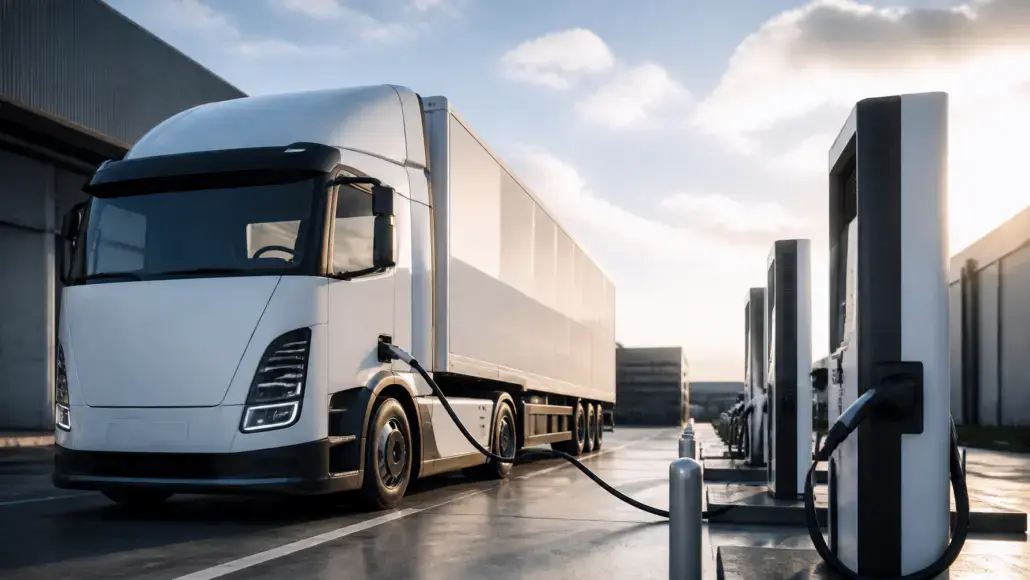
Megawatt charging systems for trucking address this by delivering power at levels exceeding 1,000 kilowatts—literally a megawatt or more. This allows for a massive influx of energy in a very short window, potentially slashing charging times to under 30 or 45 minutes. This timeframe is not arbitrary; it aligns perfectly with mandatory driver rest periods in many jurisdictions, such as the 30-minute break required after eight hours of driving in the United States or similar regulations in Europe. By synchronizing the charging process with human rest requirements, megawatt charging systems for trucking eliminate the operational penalty of going electric, ensuring that the wheels keep turning and the supply chain remains fluid.
Engineering the Infrastructure for Scale
Implementing megawatt charging systems for trucking involves significant engineering challenges that go far beyond the charger unit itself. The sheer volume of electricity being transferred creates immense thermal stress. When you pump a megawatt of power through a cable, resistance generates significant heat. To manage this, the cables in these systems must be liquid-cooled, using advanced thermal management circuits that circulate coolant to the very tip of the connector. The connectors themselves have been redesigned under the new MCS (Megawatt Charging System) standard to be ergonomic and manageable for drivers, despite the robust internal components required to handle such high amperage.
Furthermore, the grid impact of a station featuring multiple megawatt-scale chargers is substantial. A single truck stop equipped with ten megawatt charging systems for trucking could demand 10 to 15 megawatts of peak power. This is equivalent to the power consumption of a small town or a large industrial manufacturing facility. This reality necessitates a proactive and deep partnership between logistics providers, utility companies, and technology developers. Grid upgrades, including new substations and high-voltage transmission lines, are often required before a site can be commissioned. To mitigate these impacts, many early adopters are looking toward onsite energy storage solutions, such as massive stationary battery arrays, and local renewable generation like solar canopies to buffer the grid and reduce peak demand charges.
Economic and Operational Viability
From an operational perspective, the adoption of megawatt charging systems for trucking fundamentally alters the total cost of ownership (TCO) equation for fleet managers. While the initial capital expenditure for high-power infrastructure and electric trucks is significantly higher than their diesel counterparts, the operational savings are the true driver of the transition. The reduction in downtime made possible by megawatt charging systems for trucking is a critical factor. In the trucking world, if the truck isn’t moving, it isn’t making money. By bringing charging times down to parity with diesel refueling times (or at least within the window of a standard break), the productivity of an electric fleet begins to match that of a traditional one.
Additionally, the cost of electricity per mile is generally much lower and more stable than the volatile price of diesel fuel. Predictive maintenance also plays a role; electric drivetrains have fewer moving parts than internal combustion engines, and the data gathered during high-power charging sessions can provide real-time insights into battery health and performance. Smart grid integration allow these systems to draw power during off-peak hours when rates are lower, or utilize onsite battery storage to shave the peaks of demand. This operational flexibility is crucial for a sector that operates on thin margins and requires absolute reliability in its supply chain movements to meet the demands of just-in-time delivery models.
Integrating Megawatt Charging into Global Supply Chains
The successful rollout of megawatt charging systems for trucking depends heavily on the establishment of strategic charging corridors. Just as the diesel era relied on a vast network of strategically placed truck stops and fueling stations, the electric era requires a high-power backbone across major freight routes. Regional initiatives, particularly in Europe and North America, are already identifying key transit points where megawatt charging systems for trucking can be most effective. For instance, the West Coast Clean Transit Corridor in the U.S. and similar Green Corridors in the European Union aim to place high-power charging hubs every 50 to 100 miles along major interstate highways.
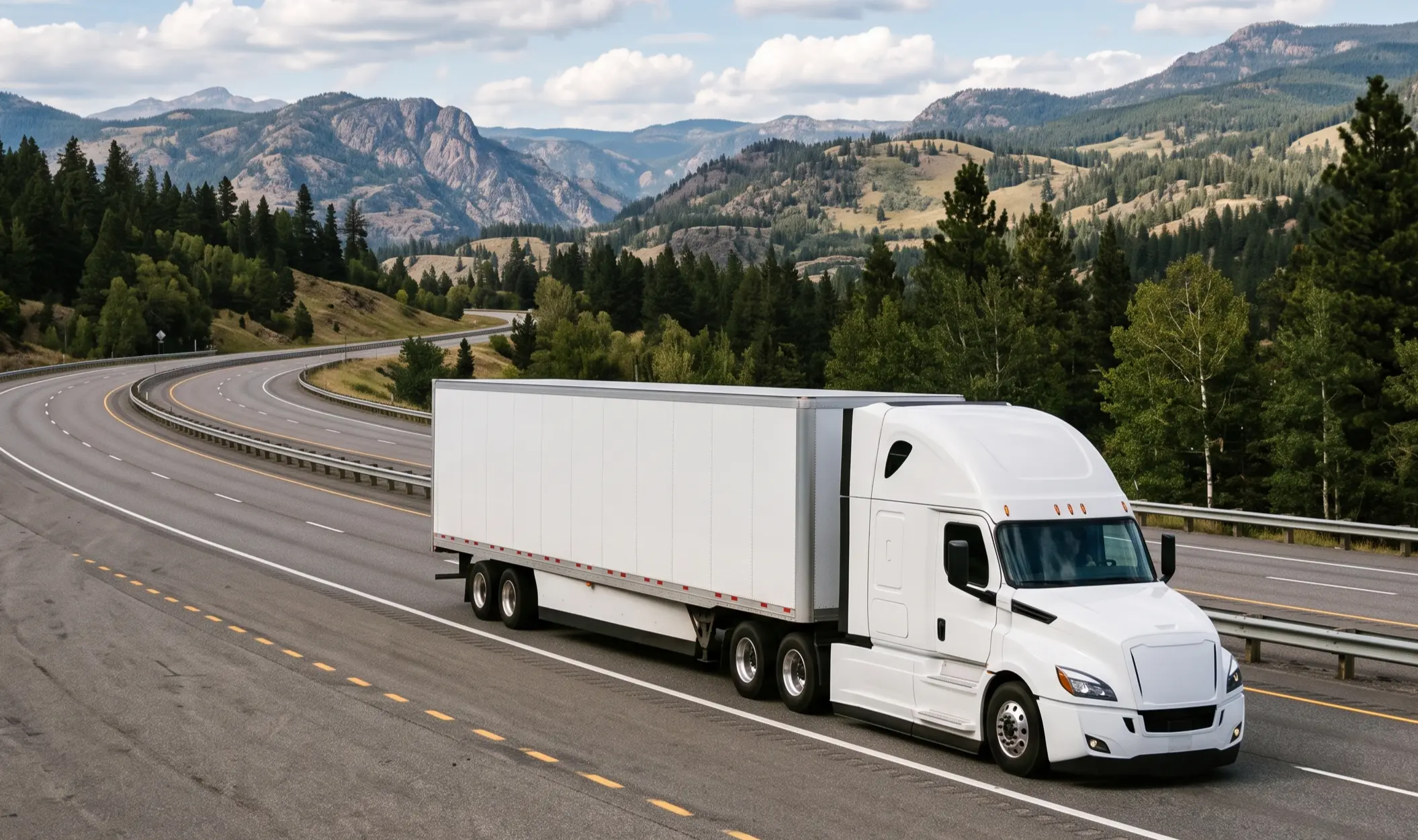
By clustering these chargers at existing logistics hubs, ports, and distribution centers, stakeholders can maximize utilization rates. A megawatt charging system for trucking at a port, for example, can serve multiple drayage trucks throughout the day, ensuring high throughput and faster return on investment. The integration also extends to the digital realm. Fleet management software now includes sophisticated routing algorithms that account for battery state-of-charge, trailer weight, topography, and the availability of megawatt charging systems for trucking. This digital twin of the logistics network ensures that drivers are directed to the most efficient charging points, minimizing deviations from the primary route and maximizing overall fleet uptime.
Environmental Impact and Sustainability Goals
The primary driver for investing in megawatt charging systems for trucking is the urgent need to reduce the environmental footprint of the transport sector. Heavy-duty trucks contribute a disproportionate amount of CO2 and particulate matter compared to their numbers on the road. In many developed nations, while medium and heavy-duty trucks make up only a small percentage of vehicles, they account for over 25% of all transportation-related greenhouse gas emissions. By enabling the transition to electric power, megawatt charging systems for trucking directly support corporate ESG (Environmental, Social, and Governance) targets and national climate commitments like the Paris Agreement.
The sustainability benefit is amplified when these charging systems are paired with a decarbonized grid. When megawatt charging systems for trucking draw from renewable energy sources such as wind, solar, or hydroelectric power, the carbon footprint of the entire logistics chain is drastically reduced. This well-to-wheel efficiency is what makes electric trucking the superior choice for a sustainable future. Furthermore, removing diesel engines from the road significantly improves local air quality, particularly in disadvantaged communities located near major ports and highways that have historically suffered from high levels of tailpipe pollutants and noise pollution.
Future Innovations in High-Power Transfer
Looking ahead, the evolution of megawatt charging systems for trucking will likely involve further refinements in automated connection systems and perhaps even wireless power transfer. Automated robotic arms are being developed to connect the truck to the charger without the driver ever needing to leave the cab. This not only enhances safety by keeping the driver away from high-voltage equipment but also shaves precious minutes off the charging process. Furthermore, bidirectional charging—often referred to as Vehicle-to-Grid (V2G)—could allow electric truck fleets to act as mobile energy storage units, feeding power back into the grid during emergencies or periods of extreme demand.
As these technologies mature and the MCS standard becomes globally recognized, Transport Advancement believes that megawatt charging systems for trucking will become the invisible yet essential heartbeat of a modernized, electrified global economy. The data gathered from these high-power sessions will provide invaluable insights into battery chemistry and degradation, allowing manufacturers to build even more resilient and longer-lasting vehicles. The transition is massive, but the momentum is undeniable. Megawatt charging systems for trucking are not just a convenience for the future. They are the catalyst that is turning the vision of zero-emission freight into an everyday operational reality.
