








The global high-speed rail sector is currently undergoing a radical technological shift, driven by the rapid integration of artificial intelligence into every facet of its functioning. In 2026, the concept of AI-powered high-speed rail operations has moved from experimental pilots to a fundamental requirement for maintaining competitiveness and safety in a high-density transportation market. Transport Advancement notes that by leveraging the power of machine learning, big data analytics, and real-time sensor networks, rail operators are achieving unprecedented levels of reliability, efficiency, and passenger comfort. This transition marks the end of the traditional, schedule-based railway and the birth of a dynamic, self-optimizing transportation ecosystem.
The Foundation of AI in Modern Rail Infrastructure
At the core of AI-powered high-speed rail operations is a vast digital infrastructure that continuously monitors the health and performance of the entire network. High-speed trains, which travel at speeds exceeding 300 km/h, are now equipped with thousands of smart sensors that track everything from wheel temperature and vibration to the structural integrity of the pantograph. This data is transmitted in real-time to centralized AI platforms that create a digital twin of each train and each segment of the track.
The ability to process this massive influx of information allows for a level of granular oversight that was previously impossible. AI algorithms can identify subtle patterns that indicate the early stages of wear or a potential component failure long before it becomes a safety risk. This provides a data-driven foundation for all operational decisions, ensuring that the rail network is not just reacting to events but is proactively managing its own state. In 2026, the data-driven train is the standard, and AI is the intelligence that makes sense of the digital noise.
Revolutionizing Maintenance with Predictive Analytics
Historically, rail maintenance was a reactive and costly endeavor, relying on fixed time intervals or visible signs of wear. This often resulted in either unnecessary maintenance or, worse, unplanned outages due to unexpected failures. AI-powered high-speed rail operations have transformed this process through the implementation of predictive maintenance. By analyzing the data from onboard sensors and track-side cameras, AI can accurately predict the remaining useful life of every critical component.
This shift has profound economic and operational benefits. Maintenance teams can now schedule repairs at the most convenient times, such as during low-traffic periods, reducing the impact on passenger schedules. It also minimizes the need for large inventories of spare parts, as components are only replaced when the data indicates it is necessary. In 2026, the adoption of predictive maintenance has led to a 20-30% reduction in maintenance costs for leading high-speed rail operators, while simultaneously improving the overall safety and reliability of the service.
Toward Fully Autonomous Traffic Management Systems
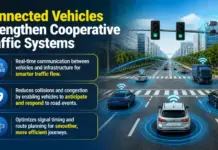
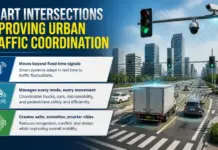
The most transformative application of AI-powered high-speed rail operations is in the realm of traffic management. As rail networks become more congested, the traditional methods of manual dispatching and fixed-block signalling are reaching their limits. Autonomous traffic management systems use AI to dynamically optimize the flow of trains across the entire network. These systems can adjust train speeds and spacing in real-time, responding to delays, weather conditions, or changes in passenger demand without human intervention.
These AI-driven systems enable what is known as moving block signalling, where the safety distance between trains is calculated dynamically based on their speed and braking performance. This allows for significantly higher frequency and capacity on existing tracks, effectively squeezing more value out of expensive rail infrastructure. In 2026, the first fully autonomous high-speed lines are beginning to operate, demonstrating that AI can manage complex traffic patterns with greater precision and safety than even the most experienced human controllers. This is a critical step toward a future where the entire rail network operates as a single, coordinated machine.
Enhancing Energy Efficiency and Sustainability
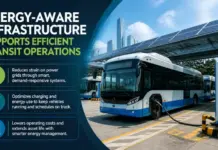
High-speed rail is already a sustainable mode of transport, but AI-powered high-speed rail operations are taking its environmental performance to the next level. AI-driven green driving algorithms can optimize the acceleration and braking profiles of a train to minimize energy consumption. By considering the topography of the track, the current wind speed, and the weight of the train, the AI can calculate the most energy-efficient way to travel between stations.
Furthermore, AI is being used to optimize the operation of railway stations and infrastructure. Smart building management systems use AI to control heating, lighting, and ventilation based on real-time passenger flows, significantly reducing the carbon footprint of the entire rail ecosystem. As the industry moves toward net-zero targets, these AI-driven efficiencies are becoming a key differentiator for rail operators seeking to attract environmentally conscious passengers and investors. The integration of AI and sustainability is thus a core theme of the 2026 transportation landscape.
Improving the Passenger Experience through Personalization
The impact of AI-powered high-speed rail operations is not just felt by the operators but also by the passengers. AI-powered ticketing and reservation systems use predictive modeling to offer dynamic pricing and personalized travel recommendations. Passengers can receive real-time updates on their journey, including platform changes and connection information, through AI-driven mobile apps and smart station displays.
Onboard the train, AI is being used to enhance comfort through personalized climate control and noise-cancellation systems. Advanced AI assistants can help passengers with everything from ordering food to booking a taxi at their destination. By making high-speed rail a more seamless and personalized experience, AI is helping the industry to compete more effectively with air travel for both business and leisure passengers. In 2026, the smart journey is a reality, and AI is the concierge that makes it possible.
Overcoming Challenges: Security and Ethics
Despite its clear advantages, the implementation of AI-powered high-speed rail operations faces significant challenges. Cybersecurity is a top priority, as the increased connectivity of rail systems makes them more vulnerable to cyberattacks. Protecting the integrity of the AI models and the data they rely on is essential for ensuring the safety and reliability of the service. The industry is responding by developing specialized, resilient network architectures and advanced encryption technologies.
There are also ethical and regulatory considerations to address. The move toward autonomous traffic management raises questions about accountability and the role of humans in critical decision-making processes. Regulators are working to develop new frameworks that ensure AI systems are transparent, explainable, and subject to appropriate human oversight. Building public trust in AI-driven transportation is essential for its widespread adoption, requiring ongoing engagement and transparency from rail operators and technology providers.
The Future: A Fully Integrated Digital Rail Network
As we look toward 2030, Transport Advancement believes that the vision of a fully integrated, AI-driven digital rail network is well on its way to realization. We will see the emergence of Rail-as-a-Service (RaaS) models, where AI manages every aspect of the travel chain, from the first mile to the last. High-speed rail will become the backbone of a multi-modal transportation system, seamlessly connected with autonomous taxis, e-scooters, and urban transit through a unified AI platform.
The transformation of high-speed rail through AI is a testament to the power of technology to reimagine our physical world. By making rail transport safer, more efficient, and more personalized, AI is helping to build a more connected and sustainable future. The era of AI-powered high-speed rail operations has arrived, and it is set to redefine the way we move for generations to come.
