














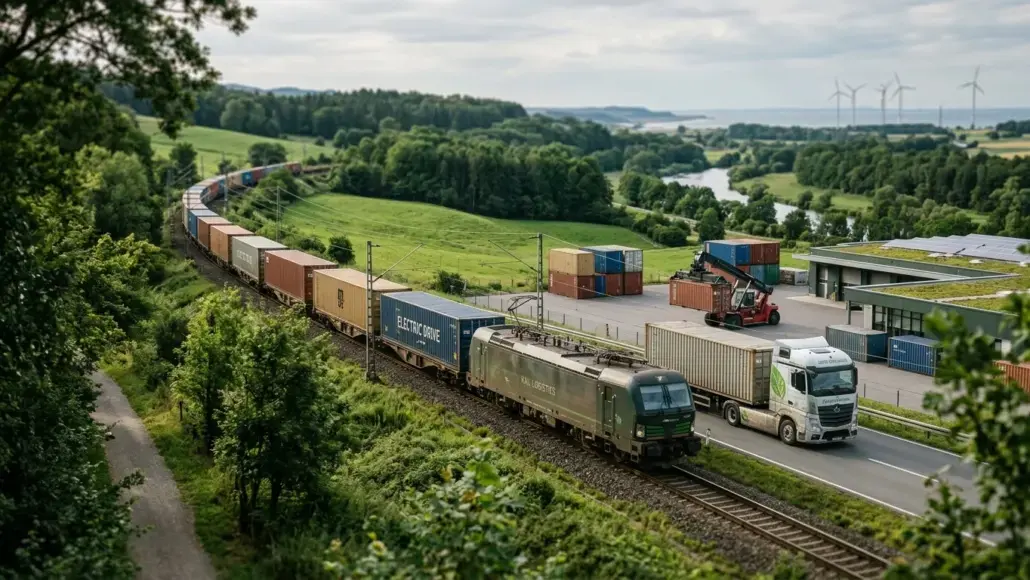
The global transportation sector is responsible for a significant portion of the world’s greenhouse gas emissions, making it a critical focus area for climate action. As multinational corporations commit to ambitious net-zero targets, the pressure to decarbonize the supply chain has moved from the peripheral to the core of business strategy. Transport Advancement highlights that green multimodal transport has emerged as the most effective framework for achieving these goals, offering a holistic approach to reducing the environmental footprint of freight movement. By combining the strengths of different transport modes—leveraging the efficiency of rail and sea for long hauls and the flexibility of electric trucks for the last mile—the industry can significantly lower its carbon intensity. This transition is not just about adopting new fuels. It is about re-imagining the entire logic of global logistics through the lens of sustainability and resource efficiency.
The Imperative of Decarbonization in Global Trade
Currently, the mandate for decarbonization is driven by a combination of regulatory pressure, consumer demand, and the physical realities of a changing climate. Governments around the world are implementing carbon taxes and emissions trading schemes that are making high-carbon transport increasingly expensive. Simultaneously, consumers are demanding greater transparency regarding the carbon footprint of the products they purchase. Green multimodal transport addresses these imperatives by providing a pathway to decouple economic growth from environmental impact. By optimizing the way goods are moved, companies can not only meet their ESG (Environmental, Social, and Governance) obligations but also improve their operational resilience. The shift toward green logistics is a fundamental recognition that the long-term viability of global trade depends on its ability to operate within planetary boundaries.
Promoting Modal Shift: From Road to Rail and Sea
The most immediate and impactful strategy in green logistics is the modal shift—moving freight from carbon-intensive road transport to more efficient rail and waterborne modes. A single freight train can carry the load of several hundred trucks while emitting up to 75% less CO2 per ton-mile. Similarly, ocean shipping remains the most carbon-efficient way to move goods over long distances. Green multimodal transport strategies focus on making these modes more accessible and integrated. This involves investing in intermodal infrastructure, such as rail-connected ports and inland terminals, to ensure that the transition between modes is seamless and cost-effective. By prioritizing rail and sea for the middle mile, organizations can achieve deep and rapid reductions in their Scope 3 emissions, which often represent the majority of their total carbon footprint.
Electrification and Alternative Fuels in Multimodal Networks
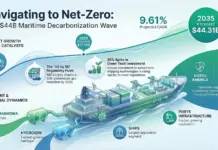
While modal shift provides a solid foundation, the ultimate goal of a net-zero supply chain requires the total elimination of tailpipe emissions. This is being achieved through the dual approach of electrification and the adoption of alternative fuels. For short-haul trucking and urban delivery, electric vehicles (EVs) have already become the gold standard. In the multimodal network, these electric fleets handle the first and last miles, ensuring that the entire journey is as clean as possible. For the more challenging sectors of long-haul shipping and heavy rail, the industry is pioneering the use of green hydrogen, ammonia, and sustainable biofuels. Green multimodal transport strategies involve building the necessary refueling infrastructure at key intermodal hubs, creating green corridors where zero-emission vehicles can operate with confidence across different modes and borders.
Carbon Accounting and the GLEC Framework for ESG Reporting
To manage what we measure, the industry has adopted standardized carbon accounting frameworks, most notably the Global Logistics Emissions Council (GLEC) framework. Green multimodal transport relies on these standards to provide a consistent and transparent way of calculating emissions across the entire transport chain. This data is essential for accurate ESG reporting and for making informed decisions about transport procurement. By utilizing digital platforms that integrate GLEC-compliant data, shippers can compare the carbon intensity of different multimodal routes in real-time. This level of transparency is driving a race to the top, as carriers compete to offer the lowest-carbon solutions. At present, a company’s ability to demonstrate a low-carbon supply chain is a major competitive advantage, opening up access to green financing and enhancing brand loyalty among climate-conscious consumers.
Circular Logistics and the Optimization of Reverse Flows
Sustainability in transport also extends to the concept of the circular economy. Green multimodal transport strategies increasingly focus on the optimization of reverse flows—the movement of goods back through the supply chain for recycling, refurbishment, or resale. Traditionally, reverse logistics has been an inefficient and high-emission process. By applying the same multimodal optimization principles to these return journeys, companies can reduce waste and recover value more effectively. This involves using empty backhaul capacity on rail and sea to transport recyclable materials, turning what was once a cost center into a sustainable resource stream. The integration of circularity into the transport network is a key step toward a truly regenerative supply chain, where every mile traveled adds value rather than just consuming resources.
Future Outlook: Green Shipping Corridors and Zero-Emission Hubs
As we look toward 2030 and beyond, the vision for Green multimodal transport is the creation of a global network of zero-emission hubs and green shipping corridors. These corridors are specific trade lanes where all participants—shippers, carriers, ports, and regulators—collaborate to implement zero-emission technologies at scale. In these corridors, ships powered by green ammonia will connect with ports that use 100% renewable energy to power their cranes and automated guided vehicles (AGVs), which then transfer cargo to hydrogen-powered freight trains. This system-wide approach to decarbonization is the only way to reach the scale needed for the Paris Agreement targets. The transformation to a net-zero logistics sector is one of the greatest engineering and organizational challenges of our time, but it is also an unprecedented opportunity for innovation and global cooperation.
Green multimodal transport is the cornerstone of the sustainable global economy. It represents a shift in mindset from lowest cost to lowest impact, proving that efficiency and ecology can go hand-in-hand. By embracing the power of modal shift, electrification, and data-driven optimization, the logistics industry is leading the way toward a cleaner, more resilient future. Transport Advancement believes that the path to net-zero is complex and requires the participation of every stakeholder in the supply chain, from the smallest truck driver to the largest ocean carrier. However, the benefits of a green transport network—in terms of climate stability, public health, and economic sustainability—are worth every effort. As we continue to build and refine these green strategies, we are not just moving goods. We are moving the world toward a better future for all.
