















The third BRICS Transport Ministers’ Meeting concluded in Nagpur with member countries unanimously approving a ministerial declaration designed to deepen cooperation on sustainable transport, infrastructure and logistics during India’s BRICS Chairship 2026.
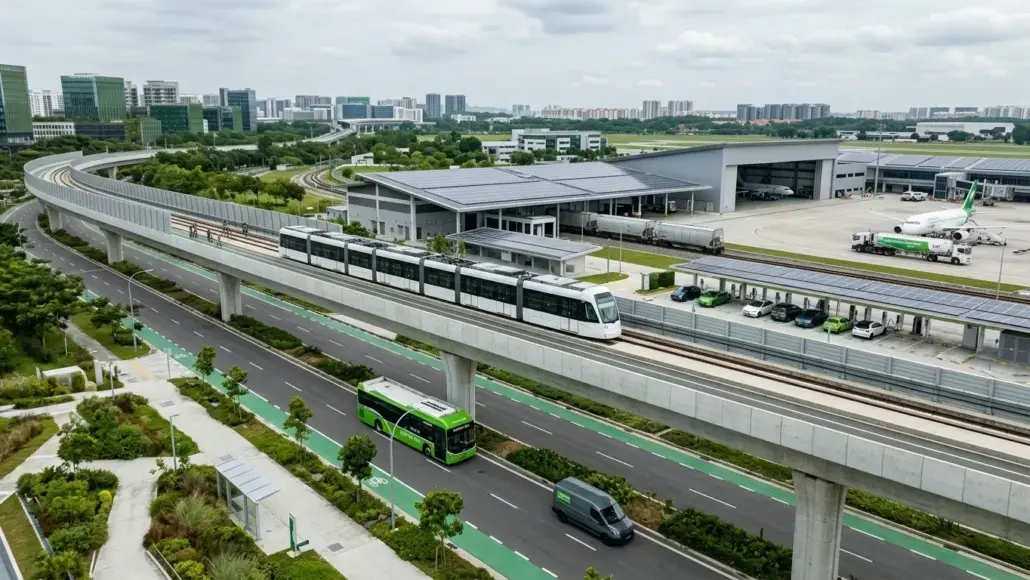
Among the major focus areas identified in the declaration are infrastructure circularity, Sustainable Aviation Fuel (SAF), transport decarbonisation, urban mobility hubs, logistics supply chain cooperation and the creation of a BRICS Railway Research Network. According to an official statement, the declaration demonstrates the shared resolve of BRICS countries to advance sustainable transport systems that are resilient, future-ready and supported through stronger policy coordination and the exchange of knowledge.
Before the ministerial gathering, senior representatives met during the third BRICS Transport Working Group (TWG) Senior Officials’ Meeting, where discussions centred on finalising the agenda and negotiating the outcomes that ultimately formed the basis of the declaration.
Consensus Reached on Future Collaboration Under India’s BRICS Chairship
The communiqué stated that the consensus-based approach adopted by member nations enabled the successful conclusion of the declaration, reaffirming the BRICS principles of mutual respect, equality and cooperation. Indian Union Minister for Road Transport and Highways Nitin Gadkari expressed appreciation to all participating delegations for their constructive engagement, noting that their support played a vital role in delivering a successful outcome. India also reaffirmed its commitment to ensuring a smooth transition of the agreed initiatives to the next BRICS chairship.
The four-day programme brought together transport ministers, senior officials and technical experts from BRICS member countries for ministerial discussions, working group meetings and bilateral engagements focused on improving connectivity and advancing sustainable transport solutions. In addition to the official sessions, the programme included cultural events showcasing the diversity of BRICS nations, creating opportunities to strengthen people-to-people ties while reinforcing institutional cooperation among participating countries.
The conclusion of the meeting represents another milestone in broadening BRICS collaboration beyond trade and investment, with sustainable transport continuing to emerge as a strategic pillar for supporting sustainable economic growth, enhancing regional connectivity and building resilient global supply chains.
