











Vietnam and Laos are significantly stepping up their cooperation in logistics, trade and transport connectivity, a move aimed at fortifying supply chains and streamlining cross-border commerce. This intensified collaboration was a central theme at the Vietnam-Laos Logistics Business Forum 2026, held in Vientiane on 26th May 2026. The forum, a joint initiative by the Lao Ministry of Industry and Commerce’s Foreign Trade Department, the Vietnamese Ministry of Industry and Trade’s Agency of Foreign Trade, and the Vietnam Trade Office in Laos, convened government officials, industry associations, and hundreds of businesses involved in logistics, multimodal transport, warehousing, import-export, and e-commerce.
Kingsadone Phetdaoheuang, Director General of the Foreign Trade Department under Laos’ Ministry of Industry and Commerce, emphasized that the forum’s objective was to translate existing bilateral cooperation agreements into tangible actions. She detailed Laos’ strategic vision to transition from a landlocked nation into a pivotal regional connectivity hub, linking the Mekong sub-region and the broader ASEAN economic community. This transformation is intended to unlock new avenues for industrial growth, agricultural development, and enhanced cross-border trade.
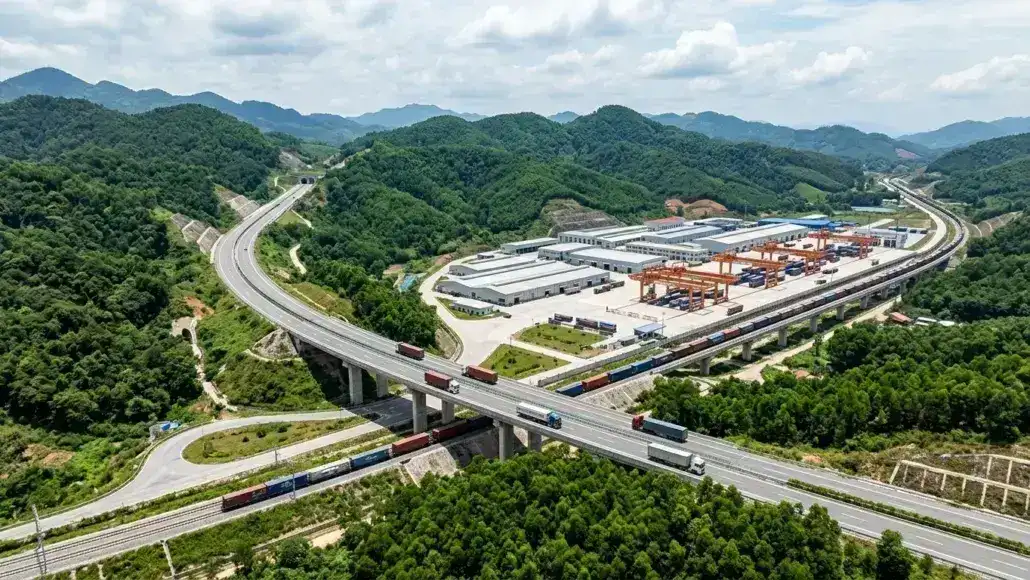
To achieve this ambitious vision of trade and transport connectivity, Laos is actively implementing its Trade and Transport Facilitation Action Plan for 2025–2030. This plan outlines specific targets designed to expedite trade processes, including a minimum 40% reduction in import-export licensing times and a 50% decrease in customs clearance durations at border crossings. Furthermore, the plan aims to boost the national Logistics Performance Index (LPI) by at least 40% and eliminate a substantial portion of redundant checkpoints along domestic transport routes. In pursuing these goals, Laos is seeking Vietnam’s expertise and support in enhancing logistics infrastructure and transport routes. Laos is prioritizing 12 strategic measures under the guidance of its National Trade and Transport Facilitation Committee, with a particular hope for Vietnam’s contributions in sharing knowledge and strengthening warehousing infrastructure. Such collaboration is expected to alleviate transport cost bottlenecks and improve access to maritime trade routes, notably through the Vung Ang Port complex in Ha Tinh, central Vietnam.
Tran Thanh Hai, Deputy Director General of Vietnam’s Agency of Foreign Trade, highlighted the imperative for logistics cooperation between the two nations to embrace modernity, integration, and sustainability. This aligns with global trends toward digitalization, green development, and the creation of resilient supply chains. He advocated for deeper collaboration across logistics infrastructure, multimodal transport solutions, digital transformation initiatives, customs modernization, and enhanced business connectivity. Hai underscored the substantial potential for Vietnam Laos trade logistics, noting Vietnam’s strengths in seaport infrastructure, extensive logistics networks, and international connectivity. Conversely, Laos occupies a strategic position within the Greater Mekong Sub-region, serving as a crucial link between ASEAN and inland Asia. He posited that with more efficient linkages, the economies of Vietnam and Laos could mutually benefit, fostering the development of robust regional supply chains. This synergy would not only cater to bilateral transport and trade demands but also attract transit cargo from third countries, thereby generating significant added value for both nations’ logistics sectors and bolstering Vietnam Laos trade.
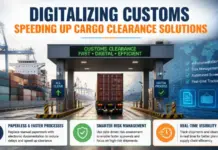
During the forum’s discussions, participants identified several key challenges hindering seamless trade and transport connectivity. These included high cross-border logistics costs, existing infrastructure bottlenecks, procedural complexities at certain border gates, and the lack of compatibility in electronic customs documentation. A consensus emerged that increased digitalization and investment in multimodal transport options, encompassing road, sea, and the proposed Vung Ang – Vientiane railway route, would be instrumental in overcoming these obstacles. This collaborative effort in Vietnam Laos trade logistics is anticipated to usher in a new era of economic partnership, supporting the shared objective of elevating bilateral trade turnover. The countries aim to surpass 4 billion USD in 2026 and aspire to reach 10 billion USD by 2030.
