











The global landscape of urban development is entering a sophisticated new era, one where the physical city is mirrored by an intelligent, data-driven counterpart. At the forefront of this transformation is digital twin traffic planning, a discipline that leverages the power of high-fidelity virtual replicas to optimize the movement of millions of people. As cities become more complex and the demands on transport infrastructure increase, the ability to simulate and predict urban movement has become a fundamental necessity. Transport Advancement notes that by integrating generative AI into these digital twin models, transport authorities can move beyond simple mapping to a world of proactive, scenario-based planning that ensures the long-term sustainability and efficiency of the urban environment.
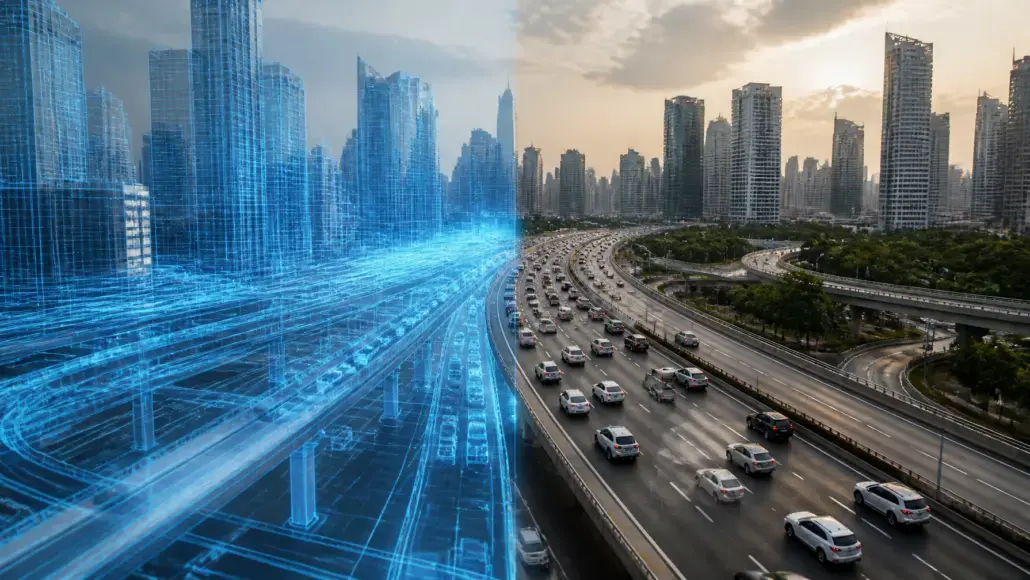
A digital twin is far more than a 3D model. It is a dynamic, living representation of the city that ingests a continuous stream of real-time data from IoT sensors, connected vehicles, and mobile networks. When this digital twin is combined with generative AI—a form of artificial intelligence that can create new data and scenarios based on existing patterns—the result is a powerful tool for urban optimization. Planners can now ask what-if questions on a massive scale: what if we closed this major artery for construction? What if we introduced a new light-rail line? Generative AI can simulate the impact of these changes across the entire city, identifying the ripple effects and suggesting the most effective ways to mitigate congestion and improve the overall flow of the city.
The Architectural Foundation of the Urban Digital Twin
The creation of an urban digital twin begins with the integration of diverse and massive datasets. This includes the physical geometry of the city (buildings, roads, bridges), the underlying utility networks, and the historical and real-time movement data of its citizens. This information is unified in a cloud-based environment that allows for multi-physics simulations, where the flow of traffic is analyzed in conjunction with air quality, noise levels, and even energy consumption. The goal is to create a holistic view of the city’s health, where digital twin traffic planning acts as the nervous system that coordinates all these disparate elements into a single, functioning organism.
Generative AI and the Simulation of Complex Scenarios
Generative AI takes the digital twin to a new level by its ability to synthesize potential futures. While traditional simulations can model a specific set of variables, generative AI can explore a virtually infinite number of combinations. For example, it can simulate the traffic impact of a major sporting event occurring simultaneously with a sudden weather shift and an unplanned subway closure. By generating and analyzing millions of such scenarios, the AI can identify the brittle points in the city’s infrastructure—the places where a small incident could lead to a catastrophic failure of the network. This allows planners to build resilience into the system, ensuring that the city remains operational even under extreme stress.
Optimizing Road Closures and Infrastructure Projects
One of the most immediate applications of digital twin traffic planning is the management of road closures and construction projects. In the past, closing a major road for repairs was a logistical nightmare that often led to unexpected gridlock in surrounding areas. Today, planners can use the digital twin to simulate the closure in the virtual world, testing different diversion routes and signal timings until the most efficient solution is found. Generative AI can even suggest the optimal timing for the construction to minimize its impact on the economy and the community. This data-driven approach reduces the frustration of commuters and ensures that critical infrastructure projects are completed with the least amount of disruption.
Enhancing Public Transit and Multi-Modal Mobility
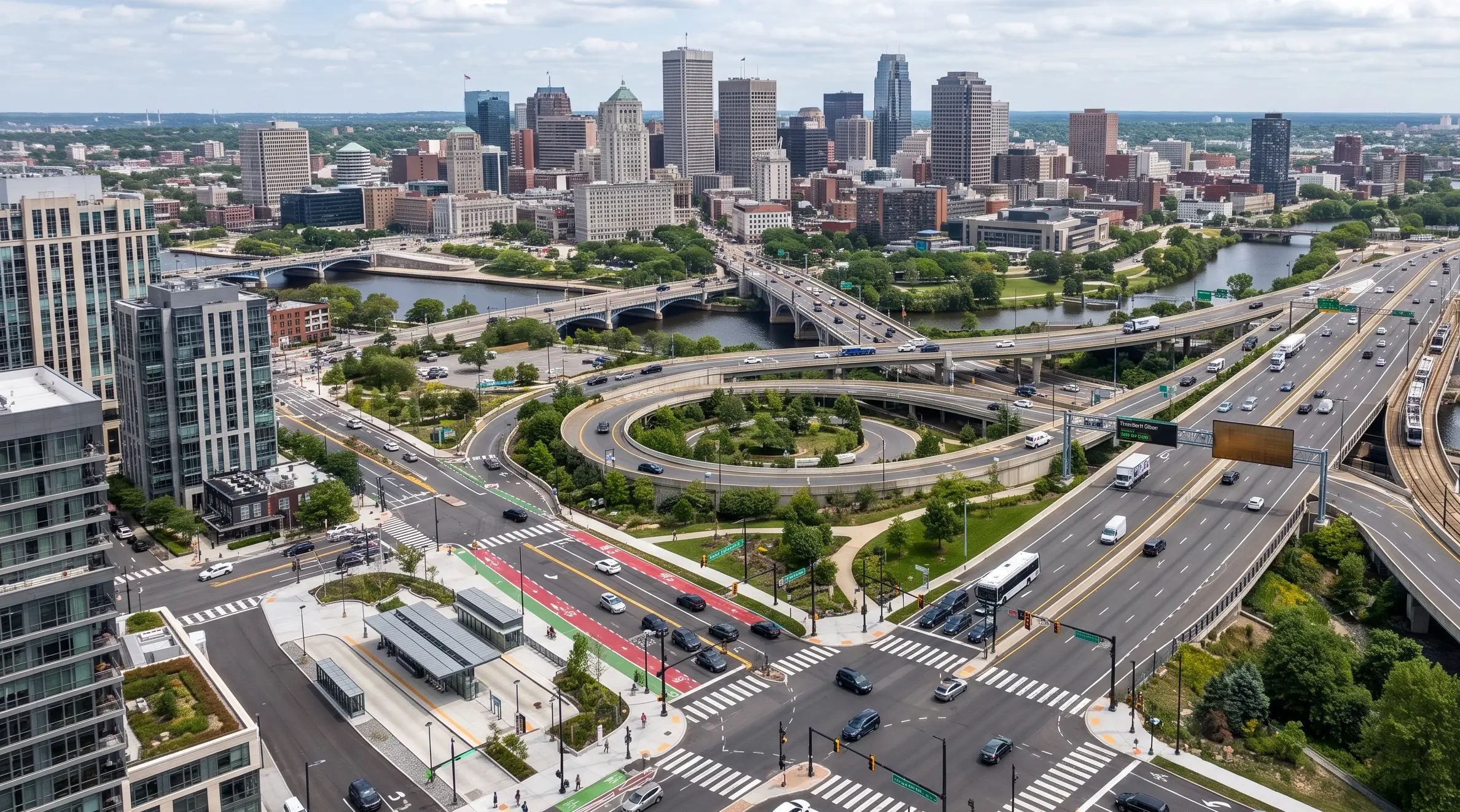 The urban digital twin is a vital tool for the design and optimization of public transit systems. By simulating the movement patterns of the entire population, generative AI can identify the places where demand for transit is highest but the supply is currently lacking. It can help planners design the most efficient bus routes, optimize the frequency of trains, and even suggest the best locations for new subway stations. Furthermore, the digital twin can facilitate the integration of last-mile solutions, such as bike-sharing and electric scooters, ensuring that these resources are perfectly synchronized with the broader transit network. This holistic approach to multi-modal mobility is the key to reducing the reliance on private cars and building a more sustainable city.
Air Quality, Noise, and Environmental Sustainability
Digital twin traffic planning is not just about moving people faster; it is also about building a healthier urban environment. By simulating the emissions from traffic under various scenarios, generative AI can help planners identify the most effective ways to improve air quality. This might include the creation of Low Emission Zones, the strategic planting of urban forests to absorb pollutants, or the prioritization of electric vehicles in certain parts of the city. Similarly, the digital twin can model the noise pollution generated by traffic, allowing for the design of more effective sound barriers and the optimization of traffic flow to minimize the impact on residential neighborhoods. This integration of environmental metrics into the planning process ensures that the city of the future is as livable as it is efficient.
Real-Time Operational Management and Response
While the digital twin is a powerful tool for long-term planning, it also has immediate applications for the day-to-day operation of the city. In the event of a major accident or a natural disaster, the digital twin can be used to simulate the emergency response in real-time. Emergency services can identify the fastest routes to the scene, and the traffic management system can automatically clear the path for ambulances and fire trucks. Generative AI can also suggest the best ways to evacuate specific areas or to manage the crowds at large public gatherings. This real-time operational oversight is a major component of the Smart City vision, providing a level of safety and resilience that was previously unattainable.
Strategic Governance and Ethical Use of AI
The move toward AI-driven urban planning requires a robust framework for governance and ethics. The data used to fuel the digital twin must be collected and used in a way that respects the privacy of individual citizens. Ensuring that the AI models are transparent and accountable is also essential for maintaining public trust. Transport authorities must be clear about how the digital twin is influencing their decisions and must be open to feedback from the community. Furthermore, the use of generative AI must be guided by a commitment to equity, ensuring that the benefits of optimized traffic flow and improved infrastructure are shared by all residents, regardless of their socio-economic status.
Overcoming Technical and Financial Hurdles
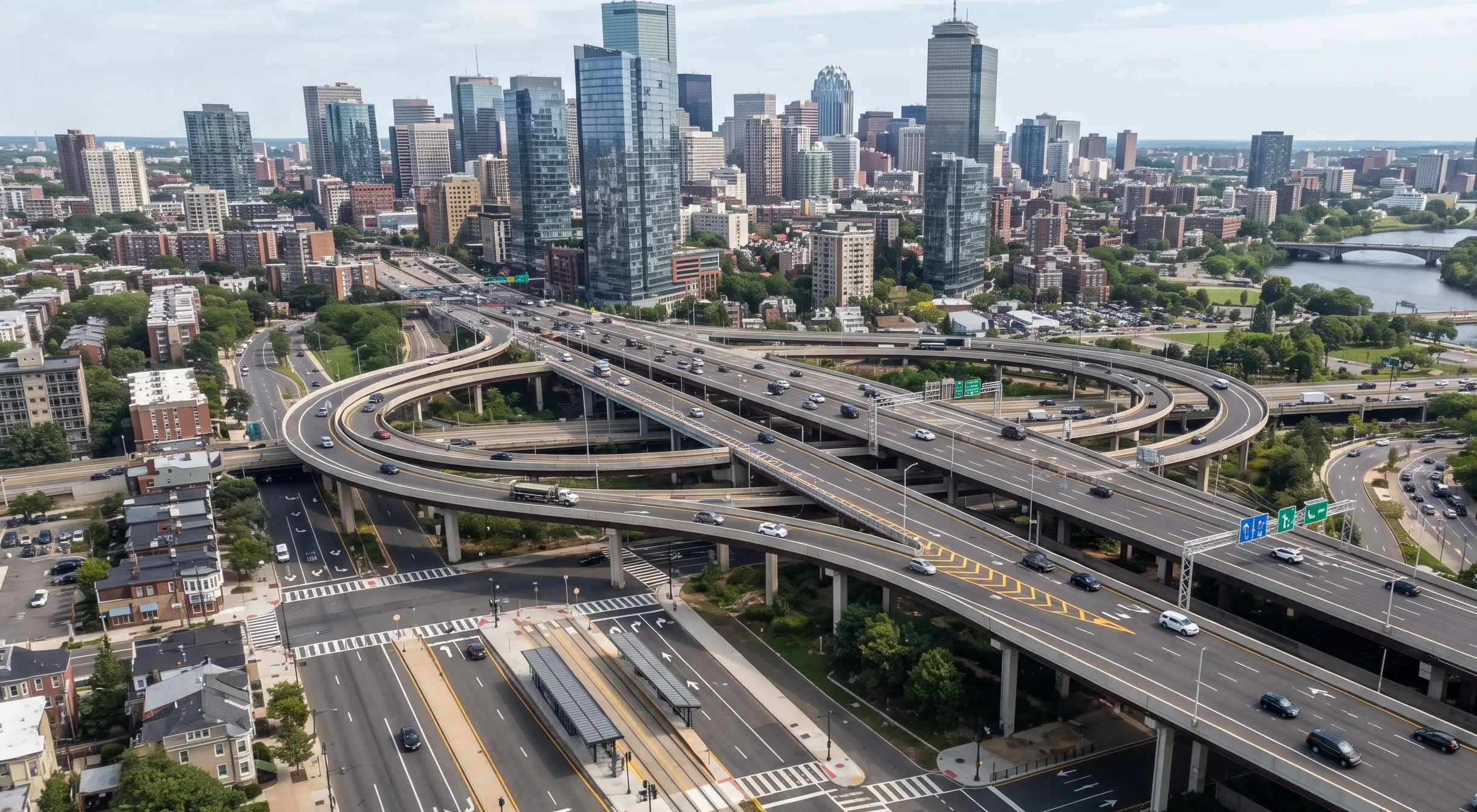 Building a comprehensive urban digital twin is a significant undertaking that requires substantial financial and technical resources. It involves the installation of thousands of sensors, the development of high-speed communication networks, and the recruitment of specialized talent in data science and AI. Many cities are overcoming these hurdles through public-private partnerships, collaborating with technology companies and academic institutions to share the costs and the risks. Furthermore, the development of open-source data standards and interoperable software is helping to lower the entry barrier for smaller cities. The return on investment for these projects—in terms of improved productivity, reduced emissions, and enhanced quality of life—is a powerful motivator for global investment in digital twin technology.
The Evolution Toward Autonomous City Orchestration
Looking forward, the ultimate goal of digital twin traffic planning is the autonomous orchestration of the city. In this future scenario, the digital twin and the generative AI are not just planning tools; they are the active controllers of the urban environment. The system will be able to adjust the city’s movement in real-time, responding to every event with millisecond-level precision. This level of automation will be essential for the integration of autonomous vehicle fleets, delivery drones, and other emerging transport technologies. The city will essentially become a self-optimizing system, where the needs of every citizen are balanced with the constraints of the environment in a continuous, AI-driven harmony.
Conclusion: A Blueprint for the Future City
In conclusion, the rise of digital twin traffic planning with generative AI represents a fundamental maturation of urban development. Transport Advancement believes that by creating a bridge between the physical reality of the city and the virtual possibilities of simulation, we are unlocking a future of unprecedented efficiency, sustainability, and resilience. This technological evolution is not just about building smarter roads. It is about building a smarter society—one that uses the power of data and AI to solve the most pressing challenges of our time. As we look toward the 2030s and beyond, the urban digital twin will be the blueprint for the cities we build and the way we live within them. This is the promise of digital twin technology: a world where the city is not just a place we inhabit, but an intelligent partner that supports our movement and enhances our well-being. Through the lens of digital twin traffic planning, we see a future defined by the perfect orchestration of urban life, driven by the transformative power of human innovation and generative artificial intelligence. The city of the future is already being built, one byte at a time, in the virtual world of the digital twin.
