





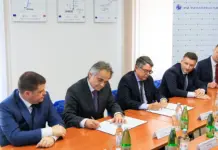






The Ministry of Transport in Jordan, in collaboration with the European Union (EU) and the Global Green Growth Institute (GGGI), held a dialogue session to explore enhancing private sector participation in the national transport sector. This initiative is a core component of the EU-Jordan Partnership for Green Transition Programme, supported by a €41 million grant. The primary focus remains on improving the efficiency and quality of services provided to citizens while fostering a more sustainable framework.
Strategic Development and Economic Impact
Jordan’s Transport Ministry Secretary-General Fares Abu Diyeh emphasized that the transport sector serves as a vital pillar for the national economy and job creation. With vehicle numbers reaching approximately 2.01 million in 2024, the demand for reliable mobility solutions has intensified. The ministry is currently prioritizing the expansion of scheduled services between Amman and governorate centers, the Bus Rapid Transit project, and the development of modern arrival and departure terminals.
Energy Efficiency and Emissions Reduction
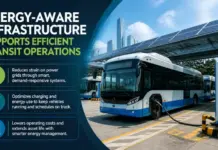
A critical aspect of these reforms involves addressing energy consumption. According to Abu Diyeh, Jordan’s transport sector accounted for about 41% of Jordan’s final energy usage in 2024. Officials noted that transitioning away from conventional fuels is essential for lowering emissions.
“This underscores the importance of developing a transport system that is more energy efficient and less reliant on conventional fuels, contributing to lower emissions and greater sustainability,” he said.
Collaborative Efforts and Electric Fleet Integration
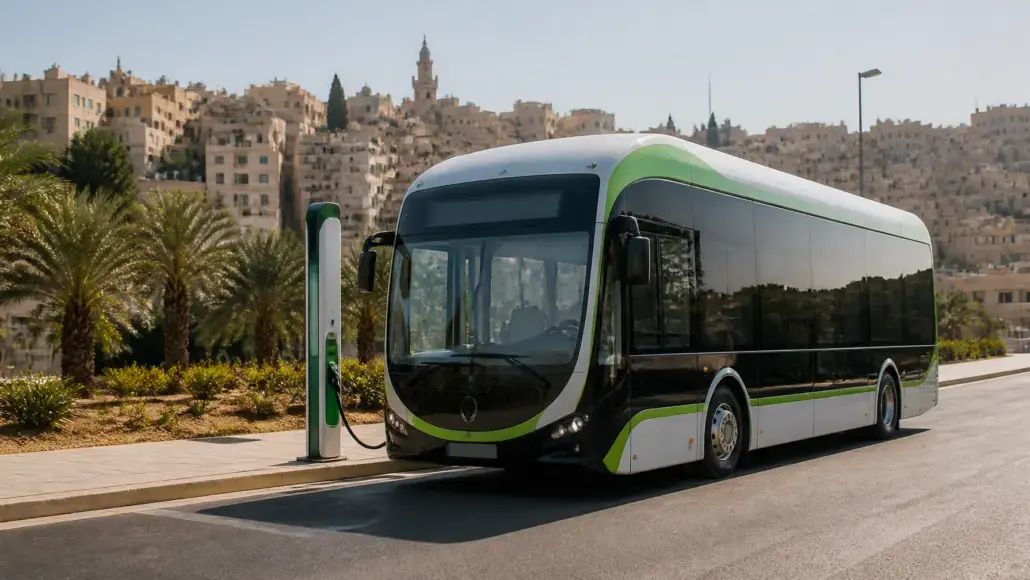
Director-General of the Land Transport Regulatory Commission (LTRC) Riyad Al-Kharabsheh acknowledged the session as an importan platform to boost cooperation with private sector in public transport. Kharabsheh also highlighted that the electrification of vehicles is a priority, noting that the ongoing project linking Amman to the governorates provides a necessary foundation for future upgrades.
Hanina Ben Bernou, European Union Delegation to Jordan’s officer for green business, innovation, and connectivity, acknowledged the importance of private sector engagement in making services more attractive to the public. Furthermore, Sulafa Mdanat of the United Nations Industrial Development Organization (UNIDO) pointed out that sustainable transport is the key to the transition towards a sustainable and efficient economy.
Addressing Challenges in the Transition
GGGI representative Christophe Assicot noted that while Jordan has successfully increased electric vehicle adoption to 65%, significantly higher than the 14% global average, the transition for public buses faces hurdles such as high import costs and a lack of unified technical standards.
Participants collectively stressed that strengthening the role of the private sector and implementing effective financing models are fundamental to achieving a robust, green public transport system in Jordan.
