











The arrival of winter brings a unique set of challenges to urban and regional transport networks. Snow, ice, and freezing rain can transform a safe roadway into a hazardous environment in a matter of minutes, leading to accidents, severe delays, and economic disruption. In response to these seasonal threats, the adoption of weather-responsive traffic control systems has become a critical priority for transport authorities worldwide. These systems move beyond static warnings, utilizing a network of intelligent sensors and real-time data to dynamically adjust speed limits, signal timings, and maintenance schedules. Transport Advancement notes that by aligning the road’s operation with the prevailing climate conditions, cities can ensure safe winter transit and maintain a resilient flow of people and goods, even in the harshest conditions.
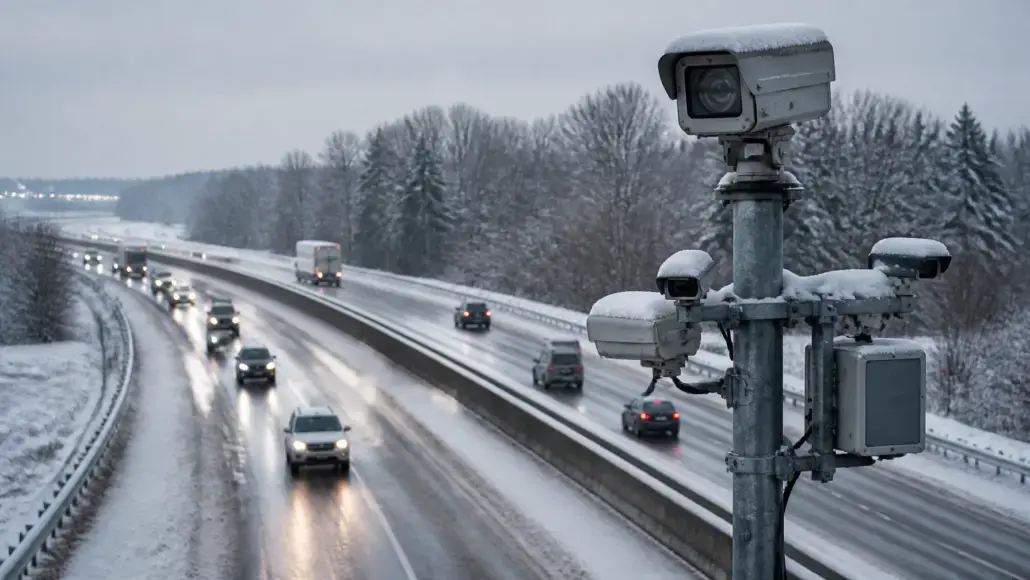
At the heart of a weather-responsive strategy is the ability to perceive the road surface in high resolution. Traditional methods of weather monitoring rely on regional forecasts, which often lack the granular detail needed for effective traffic management. Modern systems, however, utilize localized climate sensors embedded directly into the pavement and roadside infrastructure. These sensors measure surface temperature, moisture levels, and even the concentration of de-icing chemicals. This hyper-local data allows for the implementation of weather-responsive traffic control measures that are tailored to the specific needs of a bridge, a mountain pass, or a shaded urban canyon, ensuring that safety is prioritized where it is needed most.
The Architecture of Weather-Responsive Roadway Systems
The foundation of a weather-responsive system is the integration of Environmental Sensor Stations (ESS) into the broader traffic management network. These stations collect a wide range of data, including air temperature, wind speed, visibility, and precipitation type. This information is combined with non-intrusive sensors, such as thermal cameras and grip-measuring devices, to provide a complete picture of the roadway environment. The data is processed by centralized control algorithms that can trigger a variety of responses, from changing variable message signs (VMS) to adjusting the phase of traffic signals to allow for longer braking distances at intersections.
Variable Speed Limits (VSL) for Enhanced Safety
One of the most effective tools in weather-responsive traffic control is the use of Variable Speed Limits (VSL). During a winter storm, the ideal speed for a road can change rapidly as visibility drops and traction decreases. VSL systems allow authorities to lower the legal speed limit in real-time to match the safe operating conditions. Studies have shown that reducing speed limits during inclement weather significantly decreases the frequency and severity of multi-vehicle pile-ups. Furthermore, by harmonizing the speed of all vehicles on the road, VSL reduces the speed variance that often leads to rear-end collisions and allows for a more stable and predictable flow of traffic.
Automated De-Icing and Maintenance Coordination
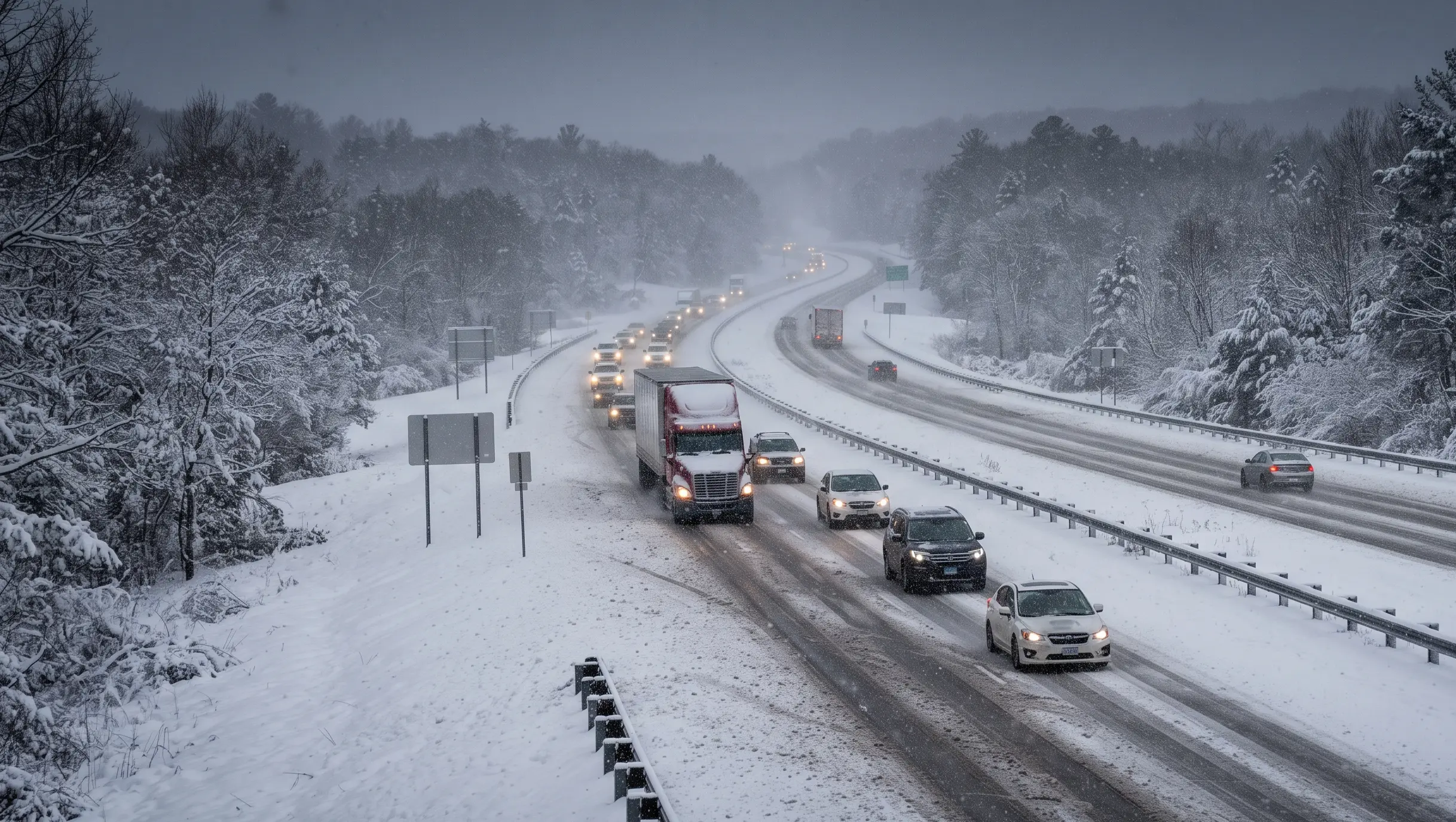 The integration of weather data with maintenance operations is a major leap forward in winter road management. Automated Anti-Icing Systems (AAIS) can be installed on critical infrastructure like bridges and steep inclines. When the ESS detects that the temperature is dropping toward the freezing point and moisture is present, the system can automatically spray a liquid de-icer onto the road surface before ice has a chance to form. This proactive approach prevents the bond between the ice and the pavement, making it much easier for snowplows to clear the road later. Furthermore, AI-driven systems can optimize the routing of snowplows and salt trucks in real-time, ensuring that resources are deployed to the areas where they will have the greatest impact on safe winter transit.
The Role of Connected Vehicles in Weather Sensing
The next evolution of weather-responsive traffic control is the utilization of vehicles themselves as mobile sensors. Modern cars are equipped with a wealth of sensors that monitor external temperature, windshield wiper status, and traction control activity. Through Vehicle-to-Infrastructure (V2I) communication, this data can be shared with the traffic management center. If multiple vehicles in a specific area report that their anti-lock braking systems (ABS) have been activated, the system can instantly identify a localized patch of black ice and warn following drivers or dispatch a salt truck. This crowd-sourced weather sensing provides a level of resolution and real-time awareness that fixed sensors simply cannot match.
Impact on Logistics and Supply Chain Resilience
For the logistics industry, winter weather is a major source of unpredictability and cost. Delays caused by closed roads or accidents can disrupt just-in-time supply chains and lead to significant losses. Weather-responsive systems provide a more predictable environment for freight transport. By providing real-time information on road conditions and expected travel times through digital platforms, transport authorities can help logistics managers optimize their routes and schedules. Furthermore, the use of smart snowplowing and prioritized de-icing on major freight corridors ensures that the backbone of the economy remains operational, even during severe weather events. This resilience is essential for maintaining the global flow of goods in a climate-volatile world.
Enhancing Public Transit Reliability in Winter
Public transit is often the only option for many commuters during a winter storm, but buses are particularly vulnerable to poor road conditions. Weather-responsive traffic control can prioritize transit routes for de-icing and snow clearing, ensuring that buses can maintain their schedules. Furthermore, by providing bus drivers with real-time alerts about hazardous areas, the risk of accidents and service disruptions is significantly reduced. In smart cities, this information is shared directly with commuters through mobile apps, allowing them to see exactly where their bus is and whether it is experiencing any weather-related delays, thereby improving the overall user experience and trust in public systems.
Strategic Planning and Climate Adaptation
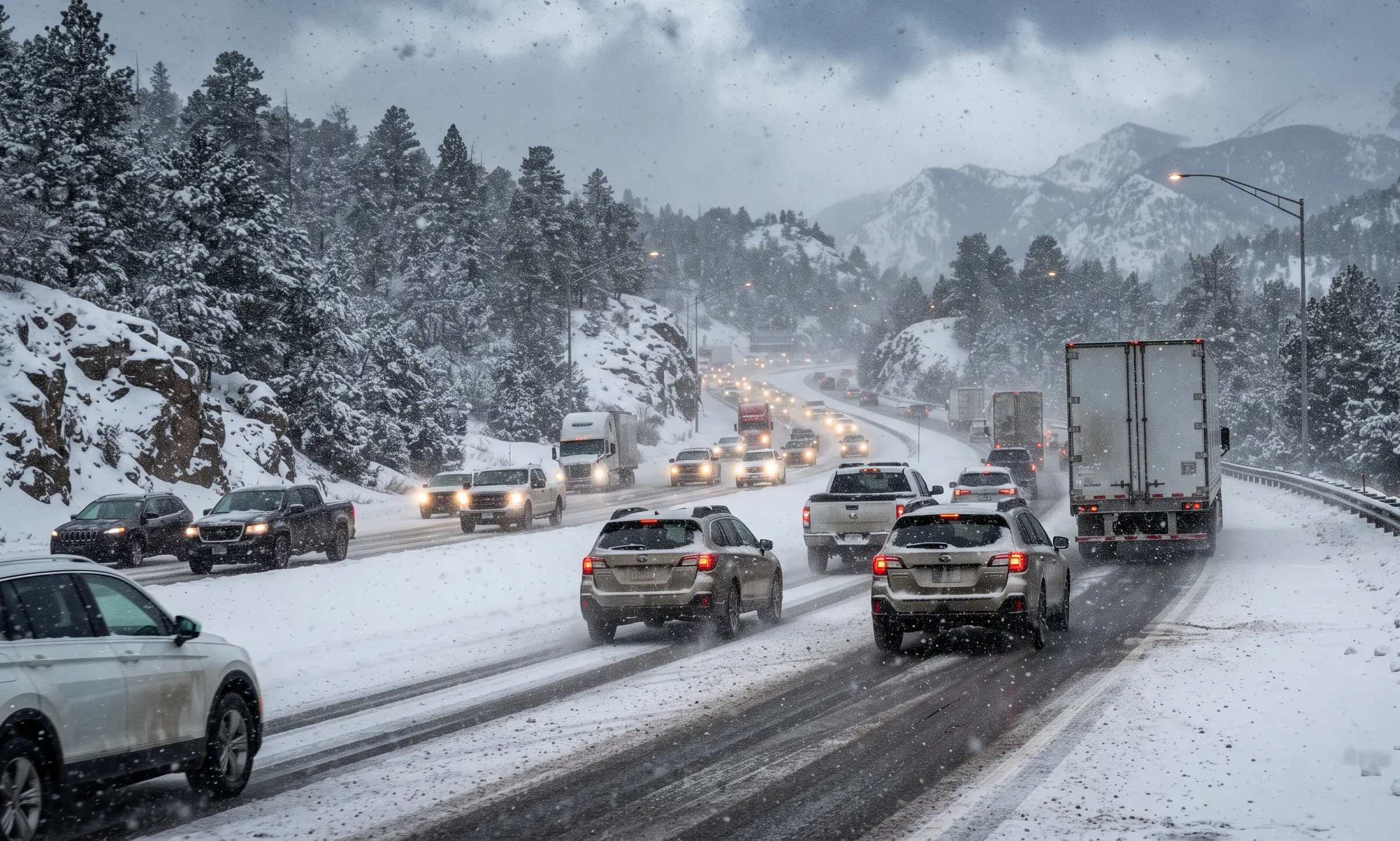 As climate change leads to more frequent and extreme weather events, the role of weather-responsive systems in long-term urban planning is growing. Transport authorities are using historical weather and traffic data to identify vulnerable nodes in their networks that are most susceptible to winter disruptions. This data-driven approach informs the design of future infrastructure, such as the installation of heated pavements or the strategic placement of new ESS stations. By building climate-resilient transport networks today, cities are preparing for the challenges of tomorrow, ensuring that their mobility systems can withstand the stresses of a changing environment.
Data Privacy and the Ethics of Tracking
The move toward connected-vehicle sensing raises important questions about data privacy. Ensuring that the information shared by vehicles is anonymized and used only for traffic management purposes is essential. Transport authorities must be transparent about what data is being collected and how it is being used to improve safe winter transit. Furthermore, the implementation of these systems must be equitable. We must ensure that rural and underserved areas, which often face the most challenging winter conditions, are not left behind in the rollout of smart, weather-responsive technology. Bridging the digital divide in transport infrastructure is a key ethical priority for the coming decade.
Challenges in System Integration and Maintenance
Implementing a comprehensive weather-responsive system is a complex engineering task. It requires the seamless integration of hardware from different vendors, the establishment of robust communication networks, and the development of sophisticated software to process the data. Furthermore, the sensors themselves are exposed to harsh conditions—salt, moisture, and extreme temperatures—which can lead to high maintenance costs and sensor drift. Ensuring the long-term reliability and calibration of the sensor network is a significant operational challenge. However, the cost of maintaining the system is far outweighed by the savings in accident reduction, fuel efficiency, and improved economic productivity.
Conclusion: A Resilient Path Through the Storm
In conclusion, the adoption of weather-responsive traffic control is a fundamental necessity for the modern transport network. As we look toward the future, Transport Advancement believes that the integration of weather intelligence into every aspect of our infrastructure will be the key to building resilient, sustainable, and safe societies. This is the promise of weather-responsive mobility: a future where the elements no longer dictate our movement, and where every journey is protected by a silent, data-driven guardian. Through the lens of weather-responsive systems, we see a path toward a safer and more predictable world, where the challenges of winter are met with the brilliance of human innovation. The storm may come, but with the right technology in place, we will always find our way through.
