






















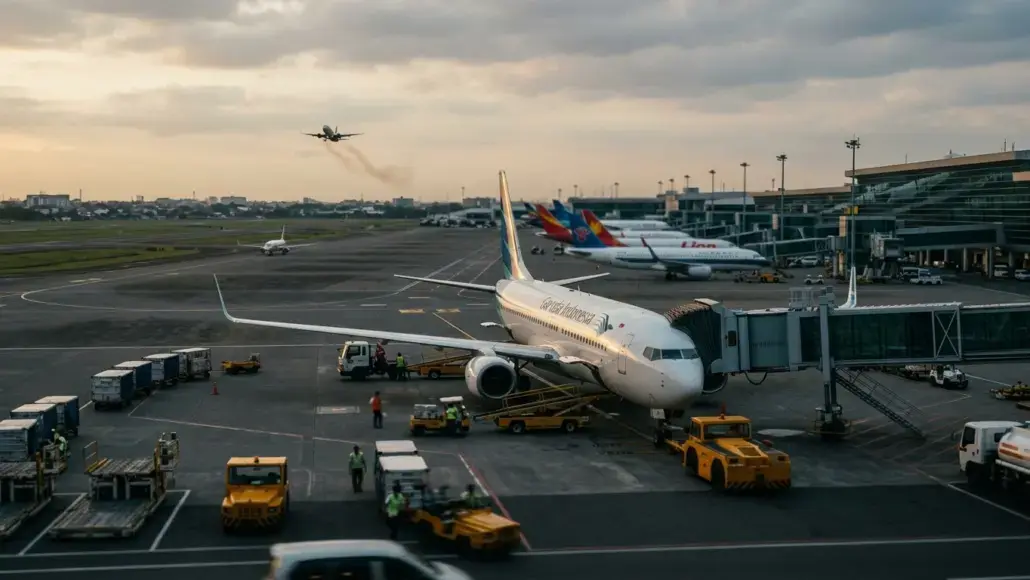
Indonesia has reaffirmed its commitment to advancing air connectivity between ASEAN member states and China, positioning itself as a driving force in strengthening ASEAN-China aviation cooperation while expanding market access across the region. The commitment underscores Indonesia’s strategic role in fostering aviation industry development at both the regional and bilateral levels.
Strategic Meeting Advances Air Connectivity Framework
During the 17th ASEAN-China Working Group on Regional Air Services Arrangements (ACWG-RASA) meeting held in Yogyakarta, Indonesia’s Director General of Air Transport Lukman F. Laisa emphasized the significance of collaborative efforts in developing ASEAN-China air connectivity. The three-day gathering, hosted by Indonesia’s Transportation Ministry, brought together representatives from across the region to address critical aviation sector challenges and opportunities.
“Indonesia is committed to playing an active role in pushing for aviation services integration between ASEAN and China to support economic, tourism, and regional aviation industry growth,” stated Laisa.
The meeting served as a crucial platform for strengthening regional cooperation aimed at establishing more open, safe, and competitive air connectivity solutions while enhancing Indonesia’s standing within the regional air transport network.
Industry Priorities and Recommendations
The ASEAN-China Airlines Forum, held as part of the broader meeting framework, identified several strategic priorities affecting the sector. Participants addressed key issues including the role of air cargo in supporting e-commerce expansion, obstacles facing ASEAN-China aviation cooperation in the context of global tensions, and airport slot allocation mechanisms at major regional hubs.
The forum produced recommendations focused on critical operational and regulatory areas:
- Enhanced slot flexibility at regional airports
- Improved Maintenance, Repair, and Overhaul (MRO) mechanisms
- Streamlined visa and immigration procedures
- Strengthened aviation security and safety protocols
- Expanded capacity building initiatives
These recommendations reflect the industry’s commitment to removing barriers to efficient operations while maintaining rigorous safety and security standards across the ASEAN-China aviation network.
Technical Cooperation and Protocol Advancement
Indonesia, serving as the lead country coordinating ASEAN-China aviation cooperation, presented technical proposals in the unmanned aircraft systems sector.
During the 17th ACWG-RASA plenary session, participating nations reached consensus on several significant matters. The reactivation of Makassar as a point within Protocol 3 of the ASEAN-China Air Transport Agreement marks a strategic step in expanding the region’s air connectivity infrastructure. Additionally, participants agreed to expand Fifth Freedom rights by incorporating four major cargo hubs in China.
Separate caucus sessions focused on four primary areas within ASEAN-China air connectivity development: ratification of Protocol 3 in the ASEAN-China Air Transport Agreement, liberalization of Fifth Freedom rights for cargo services, safety and operational standards in agreement implementation, and flight management procedures.
Representation and Stakeholder Engagement
The Yogyakarta meeting attracted substantial participation from across the aviation sector, with 61 delegates representing ASEAN countries and China. The gathering also included 127 representatives from regional aviation industry operators and stakeholders, reflecting widespread industry engagement in advancing ASEAN-China aviation cooperation and regional air connectivity initiatives.
