










Vietnam and France are moving forward with enhanced bilateral cooperation in the railway sector and urban mobility infrastructure as Vietnam accelerates its ambitious plans for metro systems and a landmark North-South high-speed railway project. This development marks an important phase in reshaping Vietnam’s transport infrastructure through France Vietnam railway cooperation initiatives.
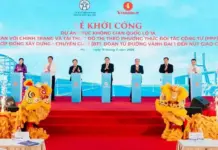
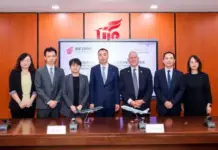
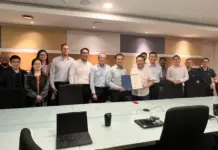
The collaborative efforts were showcased at the inaugural France-Vietnam Forum on Railways and Urban Mobility, organized by Business France on 8th May 2026 in Hanoi under the France–Vietnam Comprehensive Strategic Partnership framework. The forum assembled Vietnamese government officials, transport sector authorities, investment representatives, and leading French companies with specialized expertise in rail infrastructure, signalling systems, rolling stock, operations, and project financing.
The gathering included prominent French firms specializing in rail technology and infrastructure development. Represented companies brought comprehensive capabilities spanning multiple aspects of railway project implementation, from initial design and planning through operational deployment and ongoing maintenance support.
According to Vietnam Railway Authority Deputy General Director Dương Hồng Anh, Vietnam is pursuing substantial expansion of its transport network. The country is simultaneously developing urban metro projects across major cities while preparing implementation of a planned high-speed railway connecting Hanoi and Ho Chi Minh City. These ambitious infrastructure undertakings will demand considerable financial investment, technological expertise, established technical standards, professional workforce development, and coordinated international partnerships.
Anh highlighted that French companies’ involvement in Vietnam’s railway market reflects substantial interest in long-term cooperation opportunities within the country’s transport sector. He emphasized that France Vietnam railway cooperation extends beyond simple equipment supply relationships. The partnership encompasses comprehensive technology transfer, collaborative planning processes, professional training programs, and sustained support enabling Vietnam to progressively develop independent railway operation capabilities and expand integration within supply chain networks.
French Ambassador to Vietnam Olivier Brochet underscored that railway transport has emerged as a priority domain within bilateral cooperation frameworks. He referenced the reaffirmation of this commitment during French President Emmanuel Macron’s visit to Vietnam in May of the previous year, when both nations formalized agreements emphasizing enhanced cooperation in railway project management training and broader transport sector development.
“Placing rail transport at the heart of our bilateral cooperation is a natural choice, given the longstanding ties between France and Việt Nam in this field, the ongoing joint projects, notably Hà Nội Metro Line 3, and the recognised French expertise in both long-distance rail and urban transport systems,” Brochet stated.
France Vietnam railway cooperation benefits from the country’s extensive operational experience managing a 2,700-kilometer high-speed rail network and developing the Grand Paris Express initiative, which represents Europe’s largest metro construction undertaking. The Grand Paris Express features more than 200 kilometers of newly constructed automated transit lines, demonstrating advanced technical capabilities applicable to Vietnamese projects.
During a meeting with the French business delegation on 7th May 2026, Vietnam’s Deputy Minister of Construction Nguyễn Tường Văn affirmed that railway development occupies a central position within Vietnam’s national infrastructure strategy. The country’s railway development plan spanning 2021–2030 prioritizes the North–South high-speed railway project, urban railway systems in Hanoi and Ho Chi Minh City, and critical regional connections including the Hanoi–Lao Cai–Hai Phong corridor.
Vietnam seeks to learn from countries demonstrating advanced railway industry capabilities, particularly France, as it proceeds with substantial rail sector investments. These large-scale undertakings require major financial resources, specialized policy frameworks, established technical standards, professional workforce training programs, and comprehensive technology transfer mechanisms.
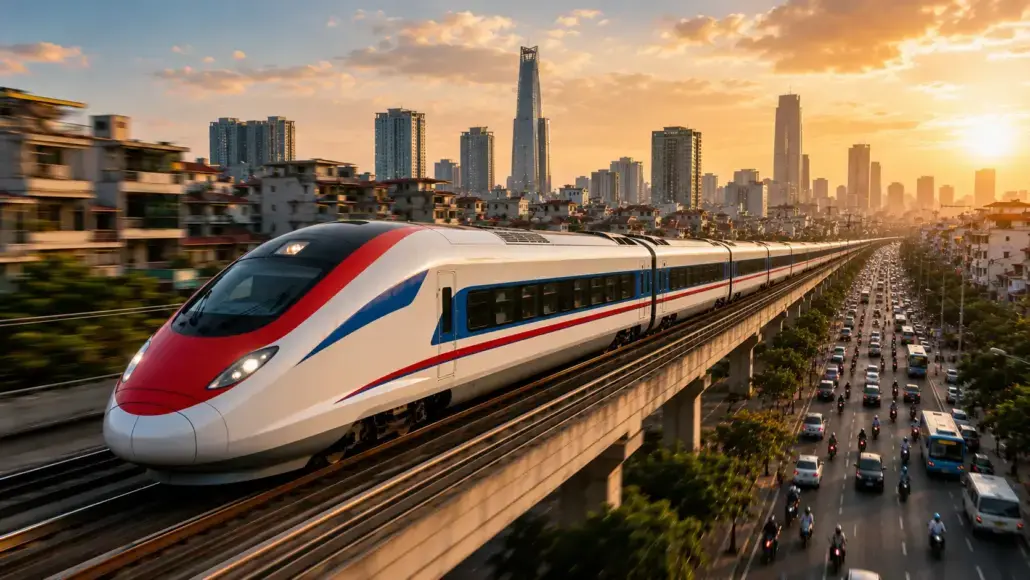
The North-South high-speed railway initiative garnered significant attention among French participants. This 1,540-kilometer project connecting Hanoi and Ho Chi Minh City, with trains capable of operating at speeds reaching 350 kilometers per hour, would fulfill a strategic function within Vietnam’s transport infrastructure development. SNCF International’s leadership expressed confidence that the project would emerge as a substantial socio-economic growth catalyst extending across multiple decades.
The initiative offers potential benefits including strengthened regional connectivity, reduced development disparities across different areas, and provision of transportation options that are environmentally sustainable and safer compared to alternative transport methods. These advantages gain particular significance amid escalating climate-related concerns affecting transportation planning globally.
French railway sector participants confirmed readiness to contribute technical expertise and support Vietnam’s implementation of its comprehensive railway modernization strategy and urban mobility advancement plans.
