













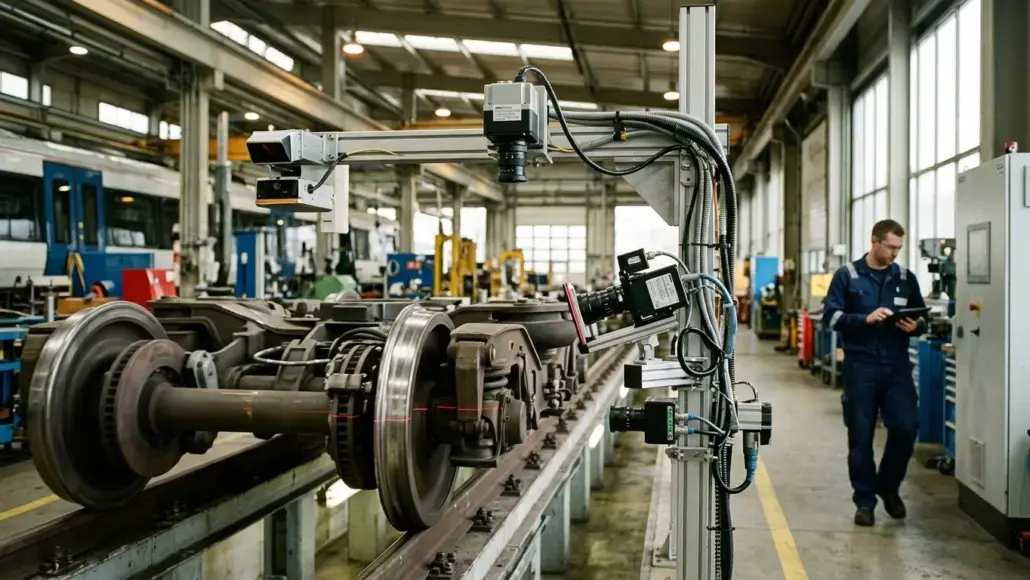
In an era defined by relentless technological advancement, the industrial landscape is undergoing a profound transformation. At the forefront of this evolution stands machine vision, a technology rapidly redefining the paradigms of operational efficiency, quality control, and, crucially, safety. The integration of sophisticated imaging and analytical capabilities has paved the way for advanced automated inspection systems that are no longer just an advantage but a necessity in maintaining stringent safety standards across diverse sectors. This article will explore the pivotal role of machine vision safety inspection, demonstrating its capacity to deliver unparalleled accuracy and responsiveness in safeguarding personnel, assets, and processes.
The Imperative for Automated Safety Inspection in Modern Industry
For decades, industrial safety protocols have relied heavily on human observation, manual checks, and periodic audits. While well-intentioned, these conventional methods are inherently prone to human error, fatigue, and the limitations of subjective judgment. A momentary lapse in attention, a difficult-to-access area, or the sheer volume of assets requiring inspection can easily lead to overlooked hazards, potential accidents, and costly operational disruptions. Furthermore, as industries become more complex and regulatory frameworks more stringent, the demand for consistent, objective, and round-the-clock monitoring has intensified.
This escalating need has catalyzed the adoption of technologies capable of exceeding human capabilities in speed, precision, and endurance. Machine vision for industrial safety offers precisely this leap forward, providing a vigilant, tireless ‘eye’ that can meticulously scan environments, machinery, and personnel for deviations from safety norms. It provides an objective assessment, capturing data that can be analyzed and acted upon with unprecedented speed, thereby transforming safety from a reactive measure into a proactive, preventative strategy.
How Machine Vision Systems Elevate Safety Monitoring
At its core, a machine vision system comprises several integrated components: high-resolution cameras, specialized lighting, robust processing units, and intelligent software algorithms. These elements work in concert to capture visual data, interpret it, and make informed decisions, often in real-time. For safety applications, this translates into an ability to detect anomalies, track movements, and verify conditions far more consistently and rapidly than any human observer. The system essentially digitizes the act of seeing and analyzing, allowing for automated checks that can operate continuously without degradation in performance.
The power of these systems lies in their capacity for real-time hazard detection. Unlike human inspectors who might only be present at specific intervals, machine vision systems can provide continuous surveillance. This constant vigilance is critical in dynamic industrial environments where conditions can change rapidly. Whether it’s identifying a worker entering a restricted zone, detecting a spill, or verifying the proper functioning of safety equipment, the speed of detection allows for immediate alerts and interventions, drastically reducing the window of risk.
The automation provided by these systems extends beyond simple detection. It encompasses comprehensive visual inspection automation that can be programmed to recognize specific patterns, verify compliance with safety protocols, and even anticipate potential failures based on subtle visual cues. This capability is paramount in scenarios where precision and consistency are non-negotiable, ensuring that safety standards are not just met, but actively upheld, across all operational facets.
Key Applications of Machine Vision in Industrial Safety
The versatility of machine vision technology allows it to address a broad spectrum of safety challenges across various industrial settings. Its applications span from monitoring human behavior to inspecting the integrity of critical infrastructure.
Enhanced Workplace Safety Monitoring
One of the most immediate and impactful applications of machine vision is in workplace safety monitoring. These systems can be deployed to ensure that all personnel adhere to critical safety protocols. For instance, they can automatically detect if workers are wearing mandatory Personal Protective Equipment (PPE) such as hard hats, safety vests, or eye protection in designated areas. If a worker is observed without the required gear, the system can instantly trigger an alert to supervisors or even activate automated safety mechanisms.
Beyond PPE, machine vision can delineate and monitor restricted zones. Any unauthorized entry into hazardous areas, such as those with active machinery or dangerous materials, is immediately flagged. These systems can also identify unsafe behaviors, such as workers operating machinery incorrectly, taking hazardous shortcuts, or even detecting instances of falls or prolonged immobility, thereby enabling rapid emergency response. These proactive measures significantly mitigate the risk of accidents, fostering a culture of safety through consistent oversight. This sophisticated oversight is a prime example of effective computer vision safety solutions in action.
Automated Asset Integrity and Quality Inspection
The physical integrity of industrial assets, such as machinery, pipelines, structures, is directly linked to operational safety. Machine vision systems excel at automated asset inspection, detecting subtle flaws, wear, or damage that might be invisible or easily missed by the human eye. They can identify hairline cracks, corrosion, deformation, or loose components in real-time or during scheduled inspections. For example, in manufacturing, these systems ensure that safety-critical parts are assembled correctly, free from defects, and meet precise quality standards before they are put into service.
This capability is particularly vital in industries like oil and gas, energy production, and heavy manufacturing, where structural failures can lead to catastrophic accidents. By continuously monitoring the condition of assets, machine vision enables predictive maintenance, allowing for repairs or replacements to be conducted before a critical failure occurs, thus enhancing both safety and operational longevity.
Remote Monitoring in Hazardous Environments
Certain industrial environments are inherently dangerous, making human presence risky or impossible. This is where machine vision provides an indispensable solution. Systems can be deployed in areas with extreme temperatures, toxic atmospheres, high radiation levels, or explosive potential to conduct remote surveillance. They can monitor gas leaks by detecting visual cues, identify smoke or fire, and track equipment performance without exposing personnel to danger. This not only protects human lives but also allows for continuous data collection and analysis in environments where manual inspection is impractical, showcasing the true power of industrial machine vision systems.
Bolstering Compliance and Documentation
Regulatory compliance is a constant challenge for industries globally. Machine vision systems automate the process of documenting safety adherence, providing an auditable trail of inspections, incidents, and corrective actions. They can automatically log instances of non-compliance, record evidence, and generate reports, simplifying the auditing process and demonstrating due diligence. This objective data helps organizations not only meet but often exceed regulatory requirements, reinforcing their commitment to safety and potentially reducing liability.
Machine Vision Driving Safety and Efficiency in the Transport Sector
Beyond traditional industrial environments, machine vision safety inspection is becoming increasingly important across the transport sector, where safety, reliability, and operational continuity are critical. Railways, ports, airports, logistics hubs, and public transit systems are deploying machine vision technologies to monitor infrastructure, inspect assets, and enhance passenger and worker safety.
In railway operations, machine vision systems can automatically inspect tracks, signaling equipment, overhead lines, rolling stock components, and station facilities. High-speed imaging combined with AI-powered analytics enables operators to identify cracks, wear, misalignments, or other defects before they escalate into safety incidents or service disruptions. Automated inspection significantly reduces the need for manual trackside inspections while improving accuracy and frequency.
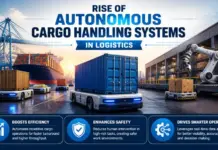
At ports and logistics facilities, machine vision supports real-time monitoring of cargo handling equipment, container movements, and restricted operational zones. The technology can detect unsafe worker behavior, identify equipment malfunctions, and prevent collisions involving cranes, trucks, and other heavy machinery. These capabilities contribute to safer and more efficient freight operations while minimizing downtime.
Airports are also leveraging machine vision for airside safety monitoring, baggage handling inspections, and infrastructure surveillance. Systems can automatically detect foreign object debris on runways, monitor compliance with safety protocols, and identify operational anomalies that could affect aircraft movements. Continuous visual monitoring enhances situational awareness and supports faster response to potential hazards.
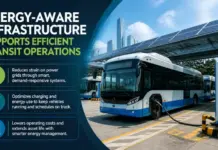
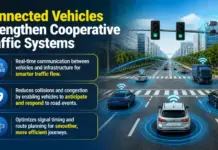
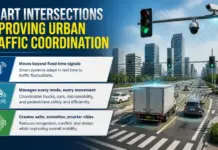
In road transport and public transit networks, machine vision enables automated monitoring of traffic conditions, vehicle health, and passenger safety. AI-powered cameras can detect accidents, unauthorized access to restricted areas, vehicle defects, and unsafe driving behaviors in real time. For fleet operators, this translates into improved safety performance, reduced maintenance costs, and enhanced service reliability.
As transport infrastructure becomes increasingly connected and data-driven, machine vision is emerging as a key technology supporting predictive maintenance, operational resilience, and regulatory compliance. By enabling continuous monitoring and intelligent decision-making, machine vision helps transport operators create safer, more efficient, and more sustainable mobility networks.
Advantages Beyond Detection: Efficiency and Proactivity
The benefits of implementing machine vision safety inspection extend far beyond mere hazard detection. These systems usher in a new era of efficiency and proactivity in industrial safety management. The elimination of human error in critical inspection tasks leads to significantly improved accuracy and reliability. This directly translates to fewer accidents, reduced downtime for investigations and repairs, and lower insurance premiums and in turn generating substantial cost savings over time.
Moreover, the shift from reactive incident response to proactive risk mitigation is perhaps the most profound advantage. By identifying potential hazards before they escalate, machine vision enables organizations to implement preventative measures, often at a lower cost than post-incident remediation. This proactive stance not only saves lives and prevents injuries but also safeguards valuable assets and ensures business continuity. The data collected by these systems provides rich insights into safety trends, allowing for continuous improvement of safety protocols and training programs. It ensures that every aspect of the operation, from the smallest component to the broadest process, is subject to continuous, intelligent scrutiny.
The Integral Role of AI and Machine Learning
While machine vision provides the ‘eyes,’ Artificial Intelligence (AI) and Machine Learning (ML) algorithms provide the ‘brain’. The true power of modern machine vision safety inspection systems lies in their integration with AI. Traditional machine vision relies on pre-programmed rules for object recognition and anomaly detection. However, AI and ML take this a significant step further. These algorithms can be trained on vast datasets of images and videos, allowing the system to learn to identify complex patterns, subtle deviations, and contextual cues that might be impossible to hard-code.
This means the system can adapt and improve its detection capabilities over time, recognizing new types of hazards or unsafe behaviors as it encounters more data. For instance, AI safety monitoring can learn to distinguish between normal operational variations and genuine safety threats, reducing false positives and increasing the system’s overall reliability. This adaptive intelligence enables predictive safety analytics, allowing industries to anticipate potential failures or unsafe conditions based on evolving visual data patterns, moving from detection to prediction and ultimately, prevention.
Challenges and the Horizon for Machine Vision Safety
Despite their transformative potential, the implementation of machine vision systems is not without its challenges. The initial capital investment for high-quality cameras, specialized lighting, robust processors, and sophisticated software can be substantial. Integration with existing legacy systems can also be complex, requiring careful planning and execution. Furthermore, managing and analyzing the immense volume of data generated by continuous visual monitoring presents its own set of logistical and computational hurdles. Ethical considerations surrounding data privacy and surveillance also need careful navigation to ensure responsible deployment.
However, the future for computer vision safety solutions is bright and rapidly evolving. Advances in sensor technology are leading to more compact, powerful, and affordable cameras. Edge computing is enabling real-time processing of data closer to the source, reducing latency and bandwidth requirements. The continuous development of more sophisticated AI algorithms is enhancing detection accuracy and analytical capabilities. We can anticipate even greater autonomy in these systems, with capabilities extending to self-diagnosis, proactive maintenance, and more complex environmental interactions. As these technologies mature, machine vision safety inspection will become an even more ubiquitous and indispensable component of industrial operations, creating safer, more resilient, and more productive environments for all.
Conclusion
The journey towards entirely safe and efficient industrial operations is a continuous one, and machine vision safety inspection represents a monumental leap forward in this endeavor. By offering unparalleled accuracy, relentless vigilance, and the intelligent adaptability of AI, these systems are fundamentally reshaping how industries approach safety. From meticulous automated asset inspection to comprehensive workplace safety monitoring and real-time hazard detection, machine vision provides an intelligent layer of protection that manual methods simply cannot match. Its ability to automate critical inspection tasks, bolster compliance, and enable proactive risk management makes it an indispensable tool in the modern industrial arsenal. As technology continues to advance, the role of machine vision will only grow, cementing its status as a cornerstone of future-proof, human-centric industrial safety strategies, ensuring that progress never comes at the cost of human well-being.
