
















Transport systems have historically operated as collection of somewhat disconnected participants vehicle operators, facility managers, infrastructure authorities, logistics companies each managing their portion of the transport network with limited real-time visibility into activities and conditions beyond their direct control. Information about system status typically flowed slowly through reports and communications, arriving too late to support immediate operational decisions. Equipment failures were discovered after they occurred. Traffic disruptions were identified by the resulting congestion. Maintenance schedules were determined by fixed intervals rather than actual asset condition. This fragmented approach meant that transport systems operated suboptimally, with opportunities for coordination and optimization unrealized.
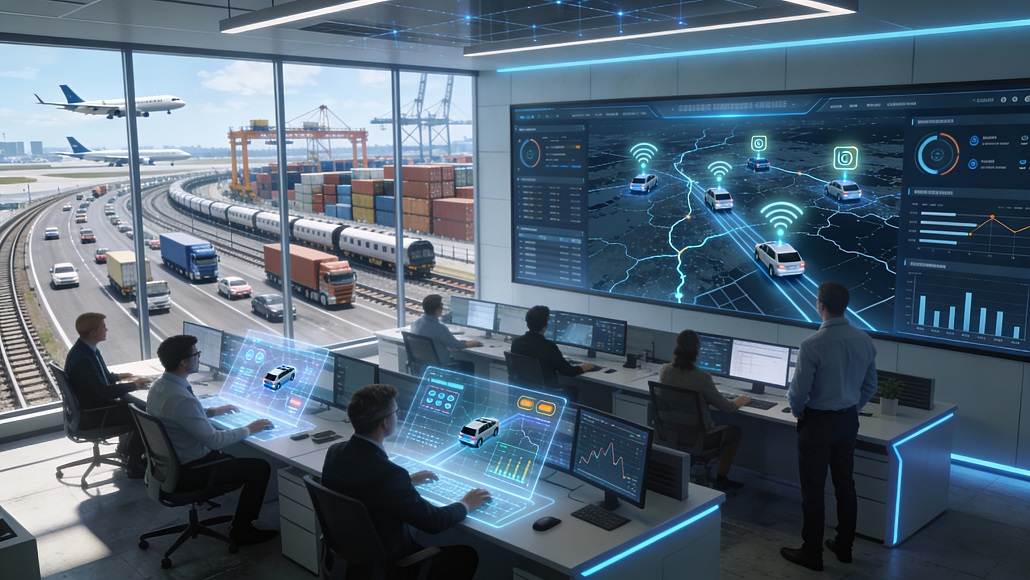
Industrial Internet of Things (IIoT) technology is fundamentally transforming this landscape by creating the connectivity infrastructure enabling fully integrated, real-time responsive transport ecosystems. Thousands of connected sensors throughout transport networks continuously report on conditions, equipment status, asset location, and operational activities. Advanced connectivity platforms consolidate this information flow. Analytics systems extract insights from the data streams. Connected devices respond with automated actions. The result is transport ecosystems where information flows seamlessly, coordination happens automatically, problems are addressed proactively, and systems respond dynamically to changing conditions.
IoT Sensors and Data Infrastructure Backbone
The foundation of connected transport ecosystems consists of sensors deployed throughout vehicles, infrastructure, equipment, and facilities. These sensors collect granular data about operational conditions that would be impossible to gather through manual observation or periodic inspections. Modern vehicle fleets carry multiple IoT sensors monitoring engine performance, fuel consumption, tire pressure, brake condition, electrical system status, and dozens of other parameters. Infrastructure sensors track pavement condition, structural integrity, environmental factors, and equipment status. Facility sensors monitor storage availability, equipment utilization, environmental conditions, and security.
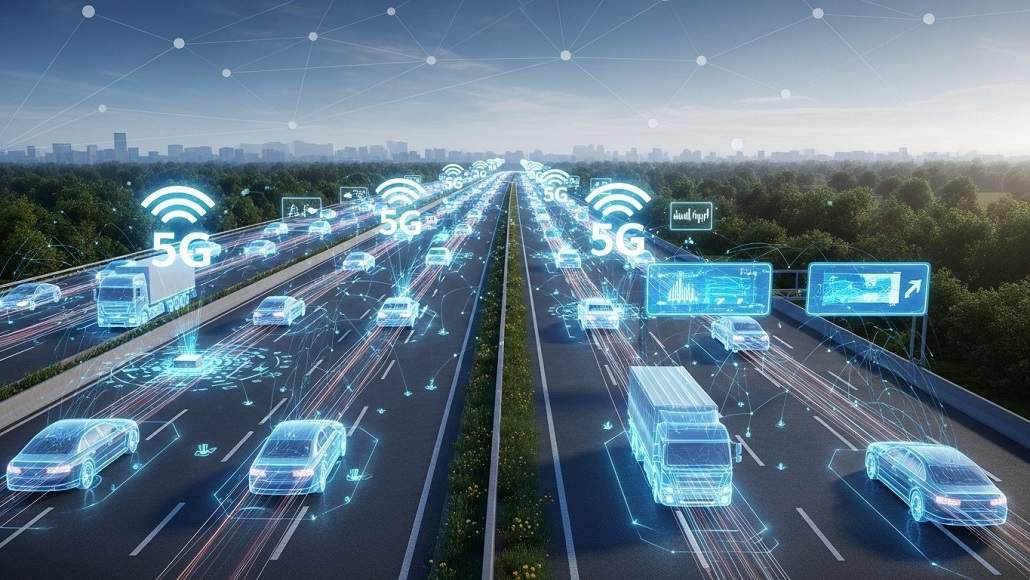
The sensors communicate through various connectivity technologies cellular networks, dedicated wireless systems, satellite connections chosen based on deployment location and data requirements. Data flows from millions of sensors through cloud platforms or edge computing systems where it is processed, analyzed, and stored. The infrastructure must handle enormous data volumes with minimal latency, as real-time decision-making depends on information reaching operational systems quickly.
This IoT data infrastructure represents a dramatic shift from traditional monitoring systems. Historically, equipment condition was determined through periodic inspections where technicians examined assets visually or with basic instruments. Real-time continuous monitoring reveals degradation patterns, failure precursors, and operational anomalies that periodic inspection would miss. The granularity and continuity of data collection enables analytics not previously possible.
Fleet Management and Real-Time Vehicle Visibility
Fleet managers operate with inherent challenges vehicles dispersed across wide geographic areas, conditions varying by location and time, unpredictable operational events occurring constantly. Historically, fleet visibility was limited. Managers knew a vehicle’s location was unknown until it reported in. They discovered breakdowns after drivers reported them. Fuel consumption was tracked monthly through fuel cards. Maintenance needs were determined by predetermined schedules.
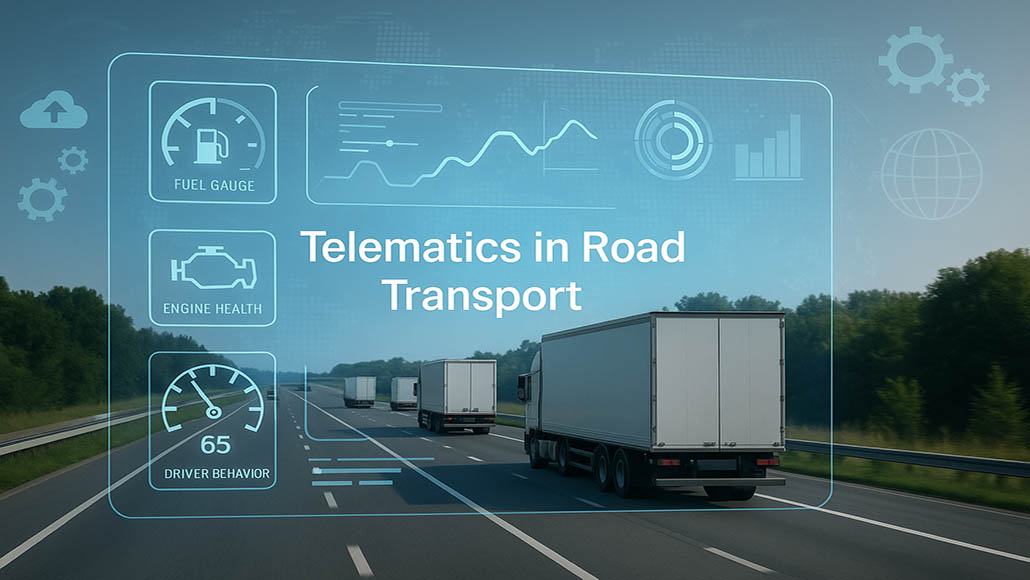
IoT connectivity has transformed fleet management fundamentally. Every vehicle in a fleet continuously reports its location, enabling real-time tracking and visibility of the entire fleet. Onboard sensors report engine performance, fuel consumption, brake condition, maintenance needs, and numerous other parameters continuously. Telematics systems capture speed, acceleration patterns, braking behavior revealing driver behavior and helping managers identify safety risks and inefficiency patterns. The result is unprecedented visibility into fleet operations.
This visibility enables immediate operational responses. If a vehicle breaks down, fleet management systems identify it immediately, dispatch support if needed, and reroute cargo to other vehicles if necessary. If a driver is behaving unsafely excessive speed, harsh acceleration fleet managers can intervene immediately. If a vehicle’s fuel consumption becomes abnormally high, maintenance can be scheduled to identify and address the underlying problem before it becomes catastrophic failure.
Real-time fleet visibility also enables optimization that was impossible with delayed information. Route assignment can account for current vehicle status, traffic conditions, and cargo characteristics. Maintenance scheduling can be optimized based on actual equipment condition rather than fixed schedules. Drivers can receive real-time route optimization, reducing fuel consumption and delivery times. Fleets operating with IoT-enabled real-time visibility consistently achieve 8-15% improvements in fuel efficiency, 15-25% improvements in delivery productivity, and 30-40% reductions in unexpected breakdowns.
Condition Monitoring and Predictive Maintenance Systems
Equipment failures represent major operational disruptions and expensive incidents. A failure on a critical path component can cascade across a system, creating multi-hour disruptions. Emergency repairs are far more expensive than planned maintenance. Replacement of equipment that failed unexpectedly often requires expedited procurement and installation, compounding costs. However, preventing failures requires knowing equipment condition before failure occurs a challenge when equipment operates far from observation.
IoT-based condition monitoring systems address this challenge by continuously monitoring equipment status and alerting to anomalies signaling impending failures. Sensors track vibration patterns that change as bearings wear. Temperature sensors detect overheating signaling cooling problems. Pressure sensors identify seal degradation. Electrical current sensors detect motor problems. Fuel flow sensors indicate injection system issues. Acoustic sensors detect anomalous sounds indicating mechanical problems. As equipment degrades, subtle changes in these monitored parameters provide early warning.
Machine learning models trained on historical equipment failure data learn to recognize the patterns preceding specific failure modes. When sensor data matches patterns associated with impending failure, the system alerts maintenance teams. Rather than scheduling maintenance on fixed intervals or reacting to failures, maintenance is scheduled preemptively based on actual equipment condition. This shift from reactive to predictive maintenance delivers enormous benefits:
Maintenance can be scheduled during planned downtime, minimizing service disruption. Needed parts can be acquired before they are required, reducing repair duration. Maintenance teams arrive prepared with proper tools, parts, and expertise. Equipment is maintained while still performing adequately rather than being neglected until catastrophic failure occurs. Asset lifespan is extended through timely intervention preventing cascade failures.
Organizations implementing IoT-based predictive maintenance typically see 40-60% reductions in unexpected breakdowns, 20-35% reductions in total maintenance costs, and 10-25% extensions in asset lifespan. For critical transport systems, preventing unexpected failures is worth far more than the cost savings alone service reliability and customer satisfaction improve dramatically.
Supply Chain Visibility and Logistics Coordination
Supply chain visibility represents a critical challenge in global commerce. A shipment might pass through multiple transportation modes, be handled by different operators, cross jurisdictions with different regulations, and interact with numerous facilities. Historically, visibility was limited shippers knew when products departed and when they arrived, but had limited information about intermediate stages. Delays were discovered only when expected delivery dates passed.
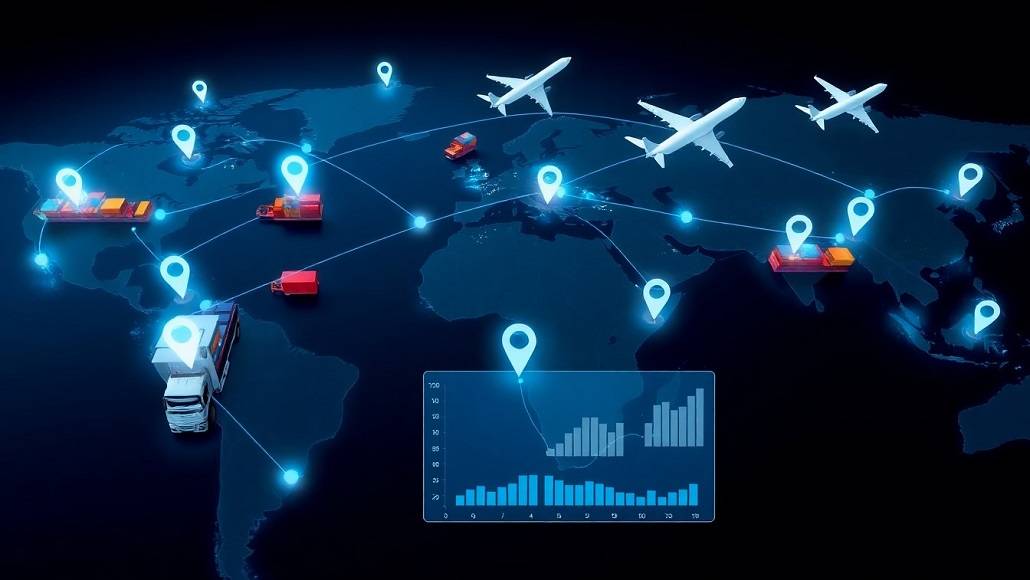
IoT-enabled supply chain systems provide unprecedented visibility. GPS trackers on containers and vehicles report location continuously. Sensors monitor temperature, humidity, shock, and vibration enabling detection of conditions damaging sensitive cargo. Environmental sensors detect when containers are opened, when doors are opened, when cargo is removed. Weight sensors verify cargo quantities. Condition sensors alert if contents are damaged. The result is complete visibility of shipment status and condition throughout the supply chain.
This visibility enables immediate response to problems. If a shipment shows unexpected temperature exposure, investigation and corrective action occur immediately rather than discovering damage only upon delivery. If a shipment is diverted from planned routing, the anomaly is detected and investigated. If equipment experiences unusual vibration or shock, the cause is investigated and the problem corrected to prevent further damage. The continuous monitoring prevents problems that would previously have gone undetected until delivery.
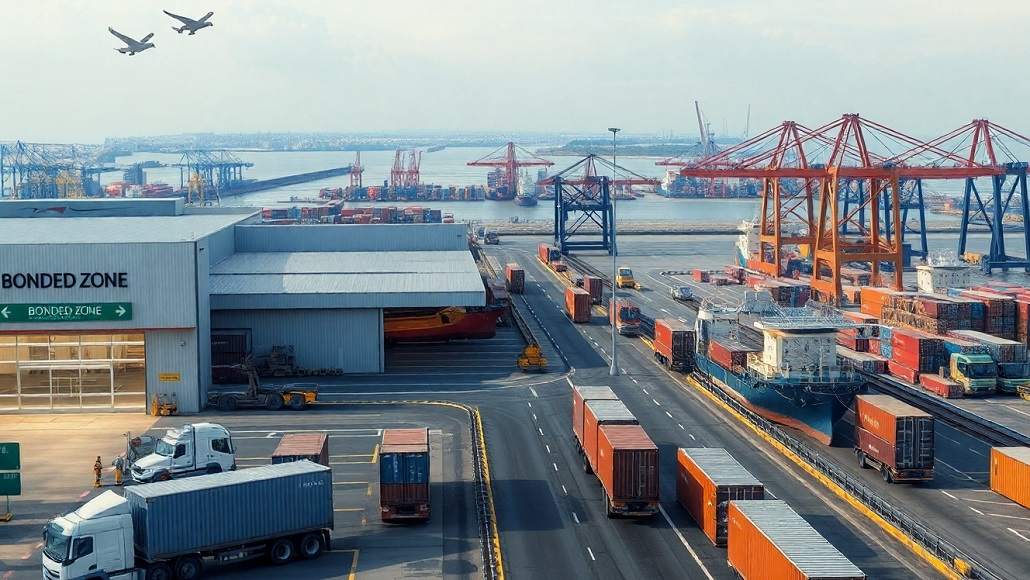
Supply chain visibility also enables coordination across multiple modes and operators. A logistics company can see incoming trucks, port berths being vacated, vessel loading status, and rail availability simultaneously. Automated coordination systems optimize how cargo flows between transportation modes. Container load-out can be sequenced to match vessel loading requirements. Rail cars can be positioned just-in-time for loading. Dock space can be allocated efficiently to arriving trucks. This real-time coordination visibility improves asset utilization, reduces waiting times, and increases throughput.
Infrastructure Monitoring and Preventive Intervention
Transport infrastructure roads, tracks, facilities, equipment represents enormous capital investments. Infrastructure failures create massive disruptions. A bridge failure or serious road damage can close critical corridors for extended periods. A runway closure stops all aircraft operations. Equipment failures at critical facilities halt operations. Historically, infrastructure condition was determined through periodic inspections, often too infrequent to identify problems early.
IoT-based infrastructure monitoring systems continuously assess structural condition, environmental stress, usage patterns, and degradation. Sensors on bridges track structural stress, vibration, and movement patterns. Pavement sensors detect surface degradation, structural damage, and moisture intrusion. Facility sensors monitor structural integrity, equipment condition, and environmental factors. The continuous monitoring provides early warning of infrastructure degradation, enabling preventive intervention before failures occur.
Predictive models trained on infrastructure failure data identify patterns preceding serious degradation. When sensor data indicates patterns associated with potential failures, engineering review can prioritize timely intervention. Rather than discovering infrastructure failures after they occur, preventing infrastructure failure becomes possible through timely maintenance and rehabilitation.
Automated Coordination and Responsive Ecosystems
Perhaps the most transformative aspect of fully connected transport ecosystems is the enabling of automated coordination between different transport modes and operators. Real-time visibility into system status vehicle locations, facility capacity, traffic conditions, equipment status enables dynamic coordination without requiring extensive human communication.
A logistics ecosystem with full IoT connectivity can coordinate seamlessly. When a vessel approaches port, the system knows container destinations, dock availability, truck arrivals, and rail capacity simultaneously. Automated coordination systems optimize the vessel docking sequence, dock assignment, and cargo handling sequence. As cargo is unloaded, it is routed to the optimal departure mode truck, rail, or local delivery. Container load-out is sequenced to fill trucks and rail cars efficiently. The entire ecosystem operates as an integrated system responding dynamically to actual conditions rather than following predetermined plans.
This automated coordination is particularly valuable during disruptions. If a vessel arrives earlier than scheduled, the system immediately detects the disruption and triggers dynamic responses rerouting arriving trucks, activating additional dock workers if needed, adjusting downstream rail schedules. The response is automatic, not requiring human detection and decision-making that would cause delays.
Building Sustainable, Intelligent Transport Systems
Industrial IoT technologies enable transport systems that are not only more efficient but also more sustainable. Real-time visibility into vehicle operations enables identification of inefficient patterns excessive idling, suboptimal routing, inefficient acceleration. Behavioral coaching based on telematics data helps drivers operate more efficiently, reducing fuel consumption by 5-15%. Real-time traffic management reduces congestion and unnecessary emissions. Optimized routing reduces unnecessary distance travel. Predictive maintenance prevents equipment from operating while degraded, maintaining fuel efficiency.
The comprehensive data collection enabled by IoT also provides deep insight into how transport systems actually operate information essential for strategic planning. Rather than relying on surveys or models, planners can see actual traffic patterns, modal competition, utilization levels, and bottlenecks. This evidence base supports more effective infrastructure planning and operations management.
Industrial IoT represents an enabling technology for transport ecosystems of the future systems that are real-time responsive, automatically coordinated, continuously optimized, and progressively improved based on actual operational data. As IoT technologies become more sophisticated and widespread, the benefits of connected transport ecosystems will become increasingly pronounced. Transport organizations that embrace these technologies will achieve operational efficiency, reliability, and sustainability significantly superior to traditional approaches. For passengers and cargo, the result will be transport systems that are more responsive, more reliable, and more efficient at serving their needs.
