







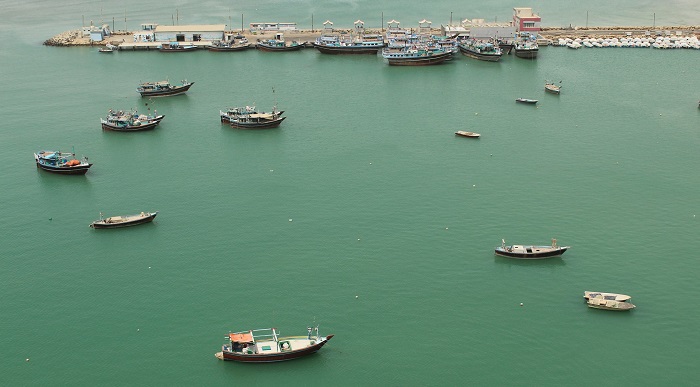
Rostam Qasemi, the Iranian minister of roads and urban development, doesn’t want to waste any more time and wants to formally acknowledge India’s contribution to the development of the port of Chabahar. Iran is prepared to negotiate a long-term agreement with India to develop the Persian Gulf port following India’s investment in the port with six new cranes intended to target the increasing traffic on the Global North-South Transport Corridor (INSTC).
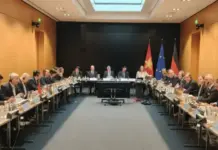
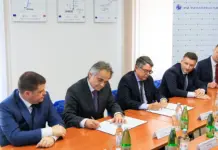
In a meeting with Sarbananda Sonowal, the Indian minister of ports, shipping, and waterways, Qasemi made his intentions clear. His expectations that the ties between both nations regarding investment in Chabahar port would materialise were emphasised.
In response, Sonowal stated that if Chabahar realises its full potential, then it can not only become the entry point for Indian trade with Europe, Russia, and the CIS countries, but it can also transform into one of the major ports in the world in the near future. He gave no specific indications, meanwhile, of India’s formal intentions with regard to the port.
Rewinding a bit, the India Ports Global Chabahar Free Zone, a division of India Ports Global Limited, took over the port’s operations in late 2018, which marked the beginning of India’s engagement in the port. Since then, progress has been gradual, but in recent months, especially after Russia began looking for alternate routes of transportation through Central Asia, it has accelerated.
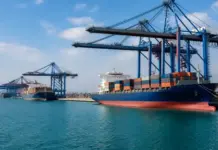
The most recent information regarding Chabahar came in late August when India revealed its plans to invest in six new cranes and other machinery costing $25 million USD in the Iranian port. This action acknowledges the port’s significance in the transhipment of train freight from Russia and Central Asia bound for India and other Southern and Eastern Asian nations.
Identical Policy, Various Partners
Iran has long struggled to attract outside capital to upgrade its ageing or non-existent infrastructure. With Russia and India being prepared to finance significant projects in the nation, the tide appears to be turning, though, recently.
Iran maintains the same course of action with both partners in this regard. In other words, Iran says facilities like the Rasht-Astara railway line and the Chabahar port are essential for the growth of the INSTC and are in India and Russia’s hands.
India and Russia should therefore start making expenditures that will pay off in the long run since they would both profit from doing so. After all, particularly since the two countries initially discovered themselves cut off from the markets due to the sanctions system, Russia, Iran, and India appear to be strengthening their partnerships at all levels.
