










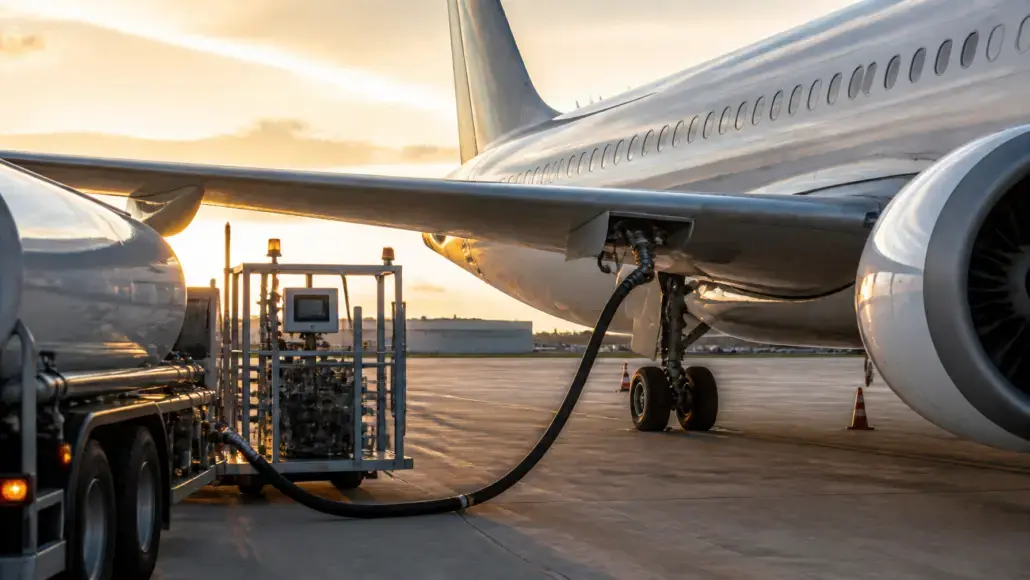
The aviation industry is widely recognized as one of the most hard-to-abate sectors in the global effort to mitigate climate change. While road transport can lean heavily on battery electrification and short-sea shipping can explore hydrogen or ammonia, the energy density requirements of long-haul flight present a unique and formidable set of engineering challenges. Batteries are currently far too heavy for long-distance air travel, and liquid hydrogen, while promising, requires a complete and costly redesign of aircraft airframes and airport infrastructure. In this complex landscape, synthetic aviation fuel helping decarbonize flying has emerged as the most viable, immediate, and scalable solution. Often referred to under the umbrella of Sustainable Aviation Fuel (SAF) or e-fuels, these synthetic alternatives offer a drop-in solution that can be utilized within existing aircraft engines and global fueling networks, providing a critical bridge to a zero-emission future without the need for grounded fleets or stranded assets.
The Science and Synthesis of E-Fuels: Closing the Carbon Loop
At its core, synthetic aviation fuel is produced by combining hydrogen with carbon dioxide through advanced chemical engineering. The hydrogen is typically derived from water through electrolysis powered by renewable energy sources such as wind, solar, or hydro—a product known as green hydrogen. The carbon dioxide required for the process can be captured from concentrated industrial flue gases or, more sustainably for the long term, directly from the atmosphere using Direct Air Capture (DAC) technology. Through a sophisticated chemical process such as the Fischer-Tropsch synthesis or the Methanol-to-Jet (MtJ) pathway, these base elements are transformed into a synthetic hydrocarbon that is chemically almost identical to conventional fossil-based jet fuel (Jet A/A1).
The profound environmental benefit of synthetic aviation fuel lies in its carbon-neutral lifecycle. While burning the fuel in a jet engine at 35,000 feet still releases CO2 into the atmosphere, that CO2 was originally captured during the fuel’s production process. This creates a circular energy loop, where the net addition of new carbon to the atmosphere is dramatically reduced—often by as much as 80% to 100% compared to traditional fossil kerosene. Furthermore, these synthetic fuels are engineered to be cleaner than their fossil counterparts; they contain virtually no sulfur and significantly fewer aromatics. This leads to a reduction in particulate matter and soot, which in turn reduces the formation of contrails—the white streaks behind planes that trap heat and contribute significantly to aviation’s total non-CO2 climate impact.
Drop-in Capability and the Power of Existing Infrastructure
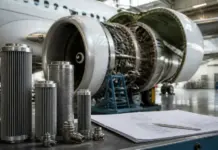
One of the most strategic advantages of synthetic aviation fuel is its drop-in capability. Unlike hydrogen or battery power, which would require an entirely new generation of aircraft and a massive overhaul of airport fuel delivery systems, SAF can be blended with conventional jet fuel today. It is compatible with the multi-trillion-dollar infrastructure already in place: it can be pumped through existing pipelines, stored in current airport fuel farms, and burned in the turbine engines of every commercial aircraft currently in operation. This allows for a gradual, seamless, and pragmatic transition. Currently, international aviation standards allow for SAF to be blended up to 50% with conventional fuel, and successful test flights by major carriers like Virgin Atlantic and Gulfstream have already demonstrated the viability of flying on 100% synthetic fuel. This interoperability is the key to accelerating decarbonization without waiting decades for a new fleet of aircraft to be designed and manufactured.
The Economic Challenge: Scaling Up for a Global Market
Despite its immense technological promise, synthetic aviation fuel faces a significant economic hurdle: the cost of production. Currently, SAF is significantly more expensive than conventional fossil-based jet fuel—often three to five times the price per gallon. This price disparity is driven by the high cost of green hydrogen production, the energy-intensive nature of carbon capture, and the nascent, small-scale state of current manufacturing facilities. For SAF to become the industry standard, there must be a monumental scale-up in global production capacity. Currently, SAF accounts for significantly less than 1% of total global jet fuel consumption. Reaching the levels required to meet international net-zero goals by 2050 will necessitate the construction of thousands of new production facilities and a massive increase in renewable energy generation to power them.
To bridge this economic gap, governments around the world are implementing a range of policy mechanisms and financial incentives. In Europe, the ReFuelEU Aviation initiative is a cornerstone policy, mandating a growing minimum percentage of SAF in the fuel mix at all EU airports, starting at 2% in 2025 and rising steadily to 70% by 2050. In the United States, the Inflation Reduction Act provides substantial tax credits for SAF production, aiming to bring costs down and stimulate private investment. These mandates and incentives are providing the long-term regulatory certainty that institutional investors need to fund large-scale SAF refineries. As production volumes increase and technologies like Direct Air Capture mature, the green premium for synthetic aviation fuel is expected to shrink, eventually reaching parity with fossil fuels as global carbon pricing mechanisms become more prevalent and diesel-based alternatives become more expensive.
Corporate Strategy and the Book and Claim Model
Major airlines and corporate travelers are also playing a vital role in accelerating the market for synthetic aviation fuel. Carriers such as United, Delta, and Lufthansa have launched ambitious programs that allow both individual passengers and corporate partners to pay a surcharge to fund the purchase of SAF. For large corporate clients looking to reduce their Scope 3 emissions, the Book and Claim system has become an essential tool. This model allows a company to pay for a specific volume of SAF to be injected into the global fuel system at a refinery or airport where it is available, even if their actual employees are flying on a different route fueled by conventional kerosene. The environmental credit is booked by the corporate client, ensuring that their investment directly supports the decarbonization of the total global fuel pool, regardless of local supply constraints.
Future Innovations and the Diversification of Feedstocks
While the Fischer-Tropsch process is currently the most mature technology for e-fuels, new and more efficient pathways for creating synthetic aviation fuel are rapidly emerging. The first generation of SAF primarily used biological feedstocks—waste oils, fats, and agricultural residues (the HEFA pathway). However, these are limited by the finite availability of sustainable land and feedstocks. The next generation—often called Power-to-Liquid (PtL)—avoids these limitations by relying solely on renewable electricity, water, and captured CO2. Researchers are also exploring Solar-to-Jet technologies, which use concentrated solar thermal energy to drive the chemical reactions needed to produce synthetic hydrocarbons directly. These innovations promise to further decouple aviation from the earth’s finite resources and move the industry toward a truly circular and sustainable energy economy.
Addressing the Non-CO2 Impacts of Aviation
Decarbonizing aviation is a multi-faceted challenge that goes beyond just carbon dioxide emissions. As mentioned earlier, aircraft engines emit nitrogen oxides (NOx) and create persistent contrails, which trap outgoing long-wave radiation and warm the planet. Synthetic aviation fuel offers a unique and powerful benefit in this area. Because e-fuels are synthetically engineered to be free of aromatics and sulfur, they produce significantly fewer soot particles during combustion. Fewer soot particles mean fewer and thinner contrails, which could drastically reduce the total climate impact of aviation—potentially by as much as 50% or more beyond just the carbon reduction itself. This bonus environmental benefit is becoming a central part of the case for SAF as atmospheric scientists gain a deeper understanding of the complex climate forcing agents in the upper atmosphere.
A Global Commitment to Sustainable Flight
The transition to synthetic aviation fuel is a massive global undertaking that requires unprecedented levels of cooperation between airlines, fuel producers, technology innovators, and international policymakers. It is not just a challenge for the industrialized North; as aviation demand continues to grow in emerging markets across Asia, Africa, and Latin America, the deployment of SAF production and infrastructure must be truly global to be effective. We are already seeing the beginning of a green fuel gold rush, with major SAF projects announced in regions with abundant renewable resources, such as the Middle East, North Africa, and Australia. These regions have the potential to become the new energy hubs of the 21st century, exporting clean synthetic fuels to major airport hubs around the world and reshaping global energy trade.
In conclusion, synthetic aviation fuel is the most powerful lever available for achieving the goal of sustainable air travel. Transport Advancement believes that by providing a chemically compatible, carbon-neutral, and cleaner-burning alternative to traditional jet fuel, it allows the world to maintain the immense social and economic benefits of global connectivity while meeting the urgent requirements of climate science. While the path to global scale is fraught with significant economic, logistical, and technical challenges, the momentum is now undeniable. As regulatory frameworks tighten, production technologies improve, and capital continues to flow into the sector, synthetic aviation fuel will transition from a niche experimental alternative to the primary lifeblood of a clean, green, and sustainable global aviation industry for the future.
