









Nashville Electric Service (NES), one of the 11 largest public electric utilities in the United States, has improved fleet maintenance compliance and operational efficiency using Chevin Fleet Solutions’ FleetWave fleet management software. The implementation has helped the utility streamline maintenance processes, centralize fleet information and strengthen fleet efficiency across its operations.
Based in Nashville, Tennessee, NES supplies electricity to more than 460,000 customers across Nashville and Davidson County, as well as parts of six surrounding counties. Established in 1939, the utility operates across approximately 700 square miles, maintaining an extensive electricity distribution network that serves homes, businesses and essential services throughout Middle Tennessee.
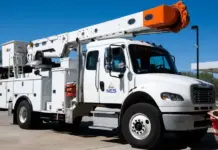
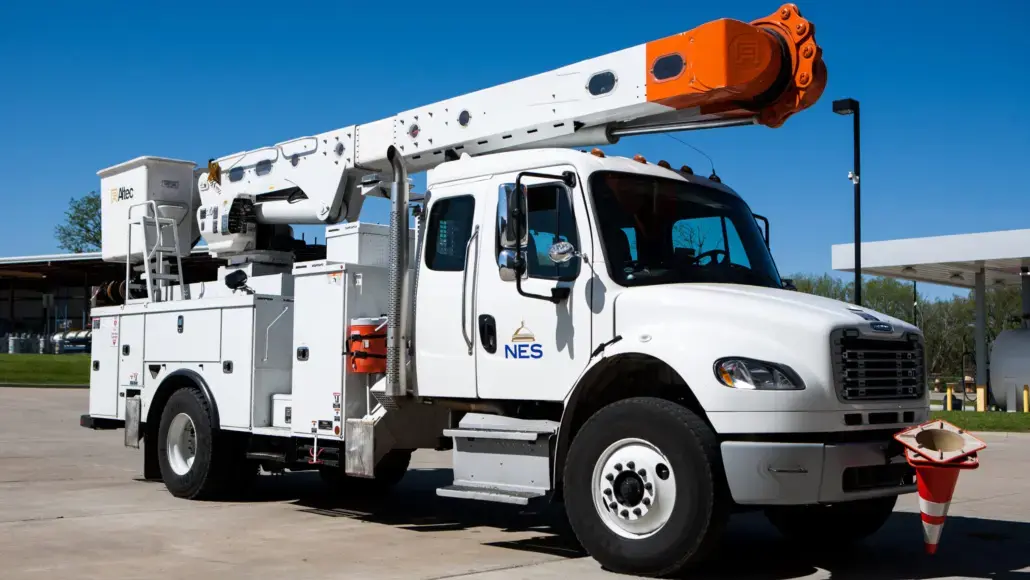
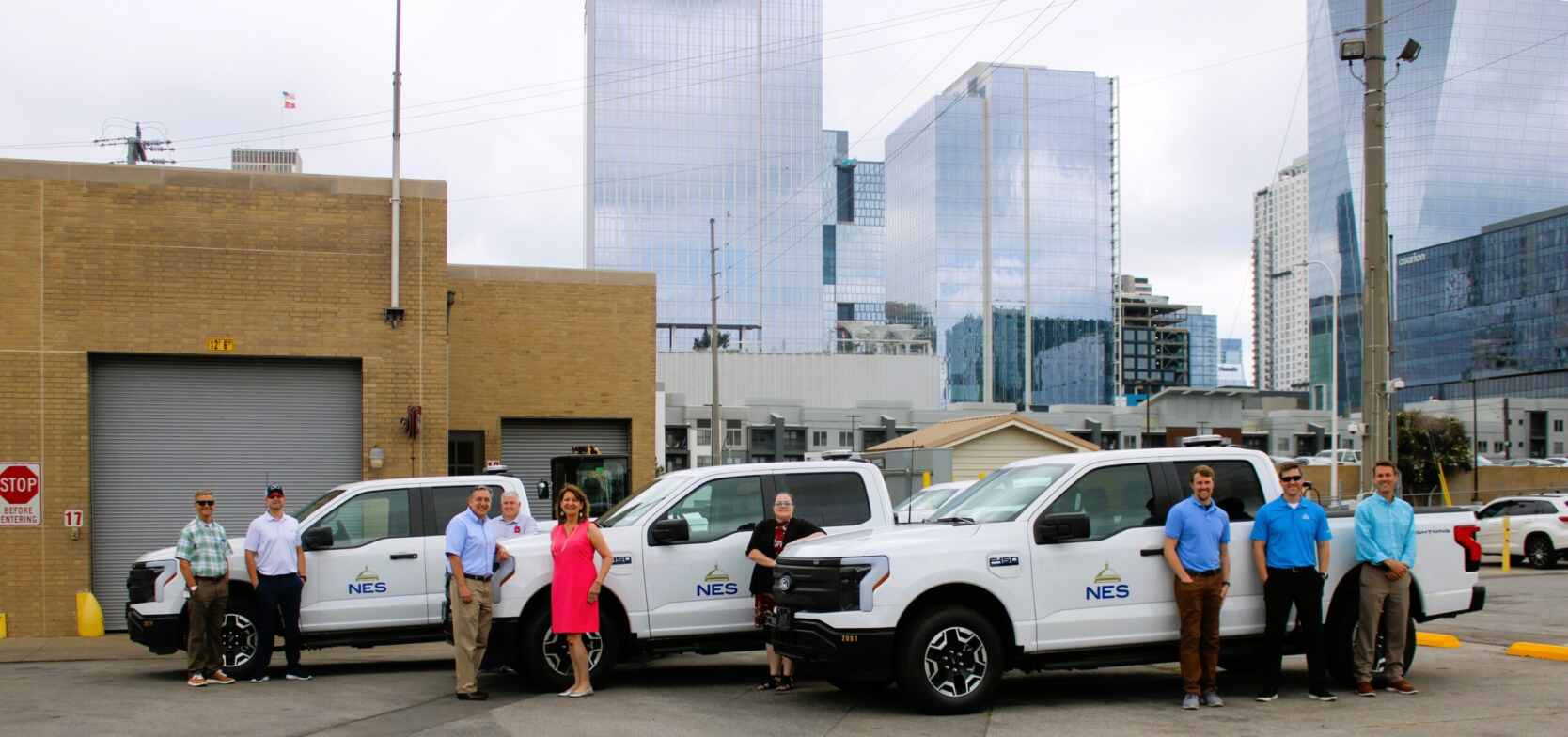
NES operates a diverse fleet of vehicles to support its operational activities. As the population of Middle Tennessee continues to grow, the utility faces increasing demands on maintenance planning, asset management and administrative resources. To address these requirements, NES sought a centralized fleet management solution that could support its expanding operational needs.
Before implementing FleetWave, NES relied on spreadsheets, separate software applications and physical documentation to manage various fleet functions. The organization wanted to consolidate these activities into a single system, reduce its dependence on paper-based vehicle records and registrations, and improve the tracking of fleet repair and maintenance expenditure.
Following an evaluation of competing solutions, NES selected Chevin’s FleetWave for its configurability, comprehensive functionality and customer-focused approach.
Meaghan Morgan, Fleet Business Analyst II at Nashville Electric Service, said, “We had extremely high expectations for a fleet asset management solution. We wanted to reduce our reliance on physical documentation, improve the way we tracked repair and maintenance expenditure, and bring together the many different fleet management functions that were spread across spreadsheets and separate systems.”
“Chevin stood out because of the configurability of FleetWave, the breadth of its capabilities and the company’s customer-first approach. We needed a solution that could support our operational requirements while providing the flexibility to adapt as those requirements changed,” she added.
Since implementation, FleetWave has enabled NES to automate and standardize several previously manual processes. The centralized platform has improved the availability of fleet information while reducing administrative workloads, supporting better fleet efficiency and more consistent operational management.
The system has also improved the speed at which the fleet department responds to operational data requests and generates reports for internal and external stakeholders. Standardized processes have made onboarding new maintenance technicians faster and more efficient, helping maintain consistency across fleet operations.
Improved maintenance planning and compliance can also help reduce unplanned maintenance work, enabling the utility to allocate its fleet resources more effectively. By strengthening maintenance oversight, NES can better manage vehicle servicing requirements and support the continued availability of vehicles for essential operational activities.
For NES, the benefits extend beyond replacing manual processes. By bringing fleet information and operational activities together, FleetWave has established a more consistent approach to asset management, supported maintenance decisions and provided flexibility to accommodate the requirements of a growing fleet. These improvements contribute to fleet efficiency by helping the utility coordinate maintenance activities, monitor expenditure and respond to changing operational demands.
The experience demonstrates how a configurable fleet management system can support ongoing operational improvements. By centralizing information, standardizing workflows and strengthening maintenance compliance, organizations can improve fleet efficiency while maintaining better control over fleet costs, compliance and resources as their operational requirements evolve.
