










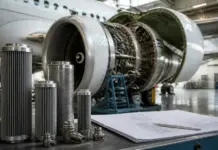




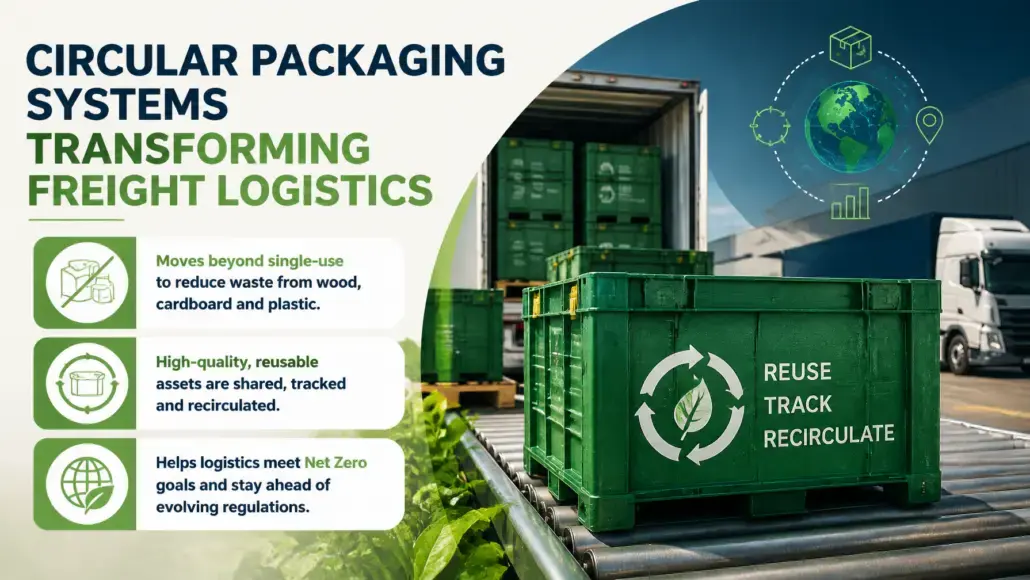
The global logistics industry is currently one of the largest consumers of single-use materials, particularly wood, cardboard, and plastic film. As companies commit to ambitious Net Zero targets and face increasing regulatory pressure to reduce waste, the traditional linear model of packaging, where a container is used once and then discarded, is becoming obsolete. In its place, a circular packaging system logistics model is emerging, where high-quality, reusable assets are shared, tracked, and maintained within a closed-loop network. Transport Advancment observes that this shift is fundamentally transforming the way freight hubs operate. The long-term reliability of the heavy equipment used to transport these reusable assets depends on predictive maintenance safeguarding rolling stock and industrial machinery within the hub.
The market for reusable and circular packaging is expanding rapidly. Estimates from Grand View Research and GM Insights suggest the global reusable packaging market was valued at approximately 142 billion dollars in 2025. This sector is projected to reach over 230 billion dollars by 2033, growing at a compound annual rate of nearly 7 percent. This growth is driven by a realization that circular systems are not just better for the environment. they are also more cost-effective over the long term, as they eliminate the recurring expense of purchasing single-use materials.
The Mechanics of the Pooling Model
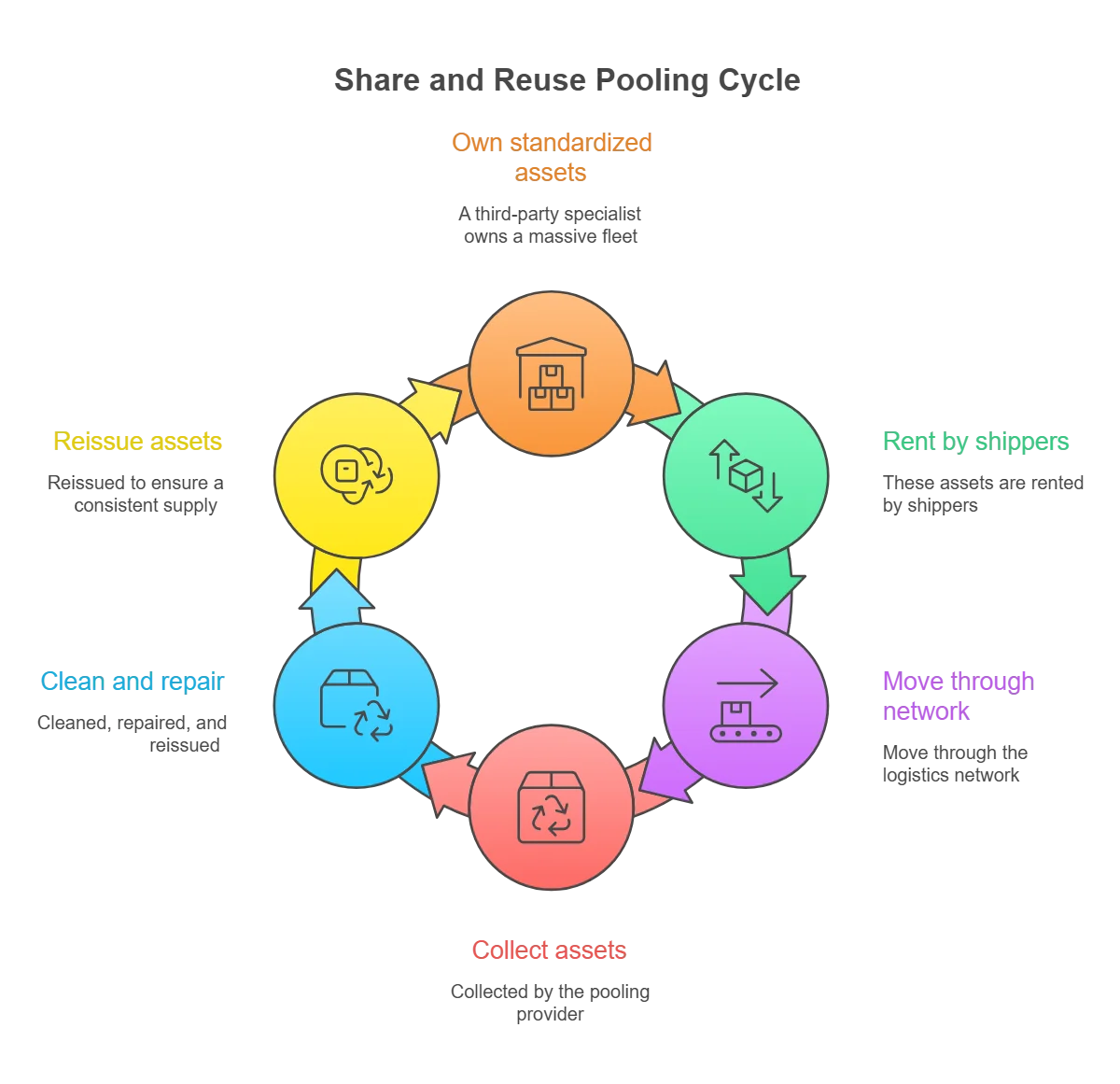
At the heart of circular packaging system logistics is the share and reuse pooling model. In this system, a third-party specialist owns a massive fleet of standardized pallets, crates, and containers. These assets are rented by shippers, move through the logistics network, and are then collected by the pooling provider to be cleaned, repaired, and reissued. This model removes the burden of asset ownership and maintenance from the shipper while ensuring a consistent supply of high-quality packaging.
Brambles, the parent company of CHEP and IFCO, is the undisputed global leader in this space. In its November 2025 ESG Report, IFCO confirmed that its circular reuse pool has eliminated more than 10 billion single-use boxes since 2021. The report also highlights that reusable crates can reduce carbon emissions by up to 62 percent and water consumption by up to 80 percent compared to traditional cardboard boxes. By managing the entire lifecycle of the asset, including recycling end-of-life plastics back into new crates, these companies are demonstrating the true potential of a circular economy in logistics.
Industrial Consolidation and Innovation
The reusable packaging sector is undergoing a period of significant consolidation as companies seek the scale required to manage complex global pools.
- In the third quarter of 2025, IPL and Schoeller Allibert completed their merger, creating a 1.4 billion dollar revenue powerhouse in the reusable plastic packaging market.
- ORBIS Corporation, a subsidiary of Menasha, debuted a new line of reusable totes and pallet systems at ProMat 2025, specifically engineered for compatibility with automated warehouse and freight systems.
- DHL Group published its updated Sustainable Packaging & Circularity guidance in late 2025, promoting the use of returnable transport items (RTI) across its global freight networks.
- IFCO Systems released its 2025 ESG report, confirming its leadership in providing circular crates for the food and retail supply chains.
- The Ellen MacArthur Foundation’s 2025 Progress Report highlighted that while reusable packaging currently makes up a small percentage of plastic packaging, it is the fastest-growing segment in B2B logistics.
These developments show that the industry is moving toward a future where packaging as a service is the norm. Instead of being a consumable expense, packaging is treated as a strategic asset that must be optimized for maximum reuse and durability.
Operational Transformation of Freight Hubs
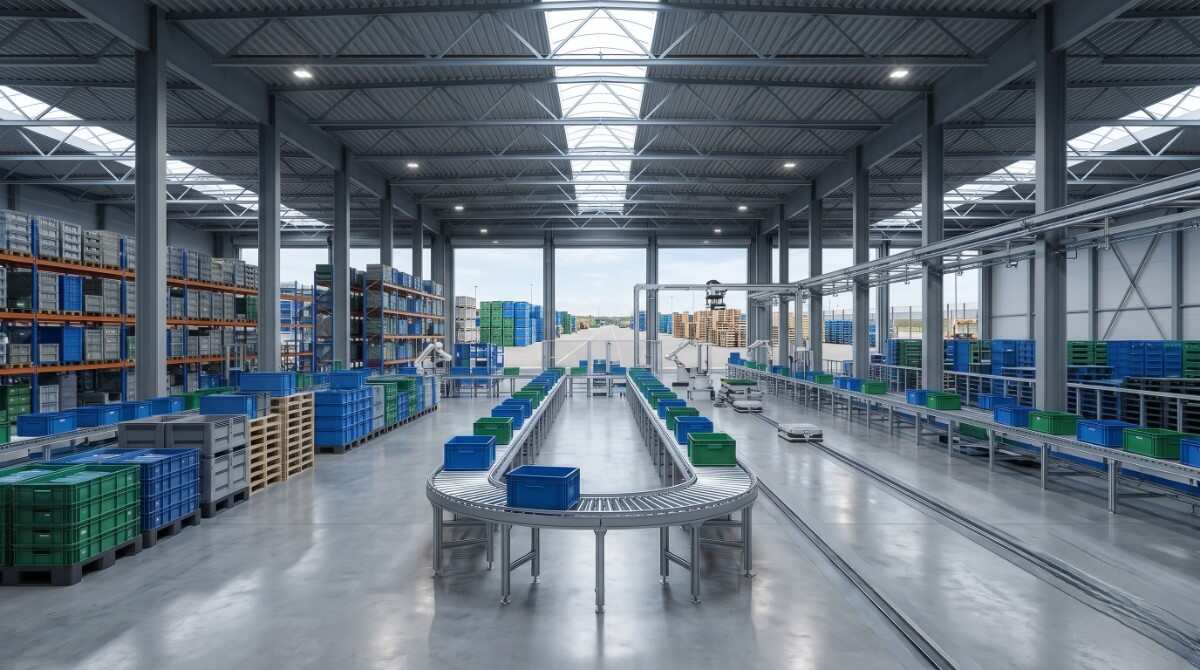
For a freight hub to support circular packaging system logistics, it must be equipped to handle the return flow of empty assets. This requires a different layout and different technology than a traditional outbound-only facility. Hubs are being redesigned with dedicated areas for the sorting, cleaning, and tracking of reusable containers. This is where high-speed robotic palletizing warehouse automation becomes essential, as it allows for the automated handling and stacking of returned totes and pallets at a scale that manual labor cannot match.
Furthermore, the integration of IoT technology is making these circular systems even more efficient. Reusable assets are increasingly equipped with Bluetooth or RFID tags, allowing the hub manager to see exactly where their pool is located at any time. This real-time visibility reduces the leakage of assets from the pool, one of the biggest costs in circular systems, and ensures that containers are returned to the nearest facility for reuse, minimizing empty transport miles.
- Closed-loop systems reduce the risk of product damage through superior container strength.
- Standardized reusable packaging improves the efficiency of automated storage and retrieval systems (ASRS).
- Consolidated return shipments of empty containers contribute to overall network efficiency.
Overcoming the Reuse Gap
Despite the clear benefits, the transition to circular systems faces challenges. The Ellen MacArthur Foundation’s 2025 report noted that only 1.2 percent of signatory plastic packaging is currently reusable. This reuse gap is primarily due to the complexity of managing the reverse logistics required to bring assets back to the start of the chain. To overcome this, the industry is calling for greater standardization of container sizes and materials, allowing for easier pooling between different companies and even different industries.
Regulatory pressure is also playing a role. The European Union’s Packaging and Packaging Waste Regulation (PPWR) is setting mandatory targets for reusable transport packaging, which is forcing many logistics providers to accelerate their circularity plans. As these regulations spread to other regions, the ability to manage a circular packaging system will become a license to operate for global freight hubs.
Future Outlook for Circular Logistics
As we look toward 2026 and 2027, the focus will be on the smart circular economy. This involves the use of AI to predict demand for reusable assets and to optimize the return routes of empty containers. The integration of circularity into the core business process, from product design to final mile delivery, will be the hallmark of the leading logistics companies of the future.
Transport Advancment believes that by embracing circular packaging system logistics, the freight industry is not just reducing its environmental footprint. it is building a more resilient and cost-effective supply chain. The transformation of freight hubs into circularity centers is the final piece of the puzzle, ensuring that every asset in the network is used to its fullest potential and that waste is systematically designed out of the system. This is the future of sustainable, high-performance logistics.
References
- “Global Reusable Packaging Market Size and Forecast” – GM Insights
- “IFCO 2025 ESG Report: 10 Billion Single-Use Boxes Eliminated” – IFCO Systems
- “IPL-Schoeller Allibert Merger Completion Announcement” – IPL
- “Ellen MacArthur Foundation Global Commitment 2025 Progress Report” – Ellen MacArthur Foundation
- “ProMat 2025 Reusable Packaging Showcase” – ORBIS Corporation
- “Sustainable Packaging & Circularity Guidance 2025” – DHL Group
