













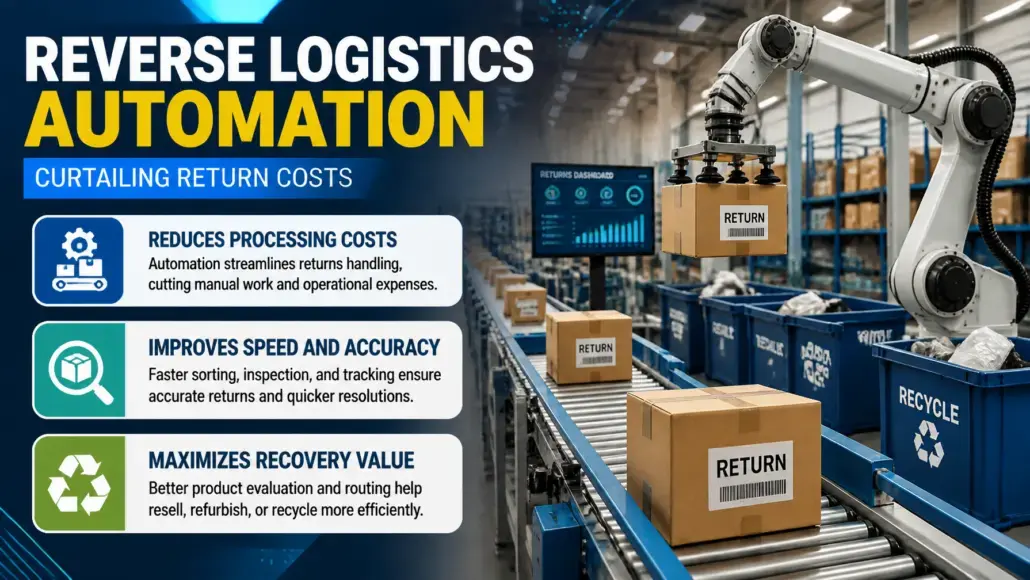
For many years, the returns process was treated as a secondary concern by the retail and logistics industries, a necessary evil that was often managed through manual, disorganized, and expensive workflows. However, as e-commerce penetration has deepened, the sheer volume of returned goods has become an existential threat to retail margins. The cost of processing a single return can range from 20 to 65 percent of the item’s original value. Transport Advancement obvserves that this has led to an urgent focus on reverse logistics automation costs and the implementation of AI-driven systems to recover value from returned inventory.
The financial stakes are staggering. Research from McKinsey published in February 2026 indicates that U.S. consumers returned nearly 1 trillion dollars worth of merchandise in 2024. Retailers are spending an estimated 200 billion dollars annually just to recover value from these goods. McKinsey argues that by shifting from a manual cost center to an automated value-recovery model, retailers can lift their recovery rate from roughly 50 percent to 75 percent. This transformation is underpinned by the global reverse logistics market, which Grand View Research valued at 882.9 billion dollars in 2025, with expectations to exceed 3.1 trillion dollars by 2033.
AI-Driven Dynamic Dispositioning
The most significant breakthrough in managing reverse logistics automation costs is the use of AI for dynamic dispositioning. Traditionally, every returned item followed the same path back to a central warehouse, where it was manually inspected and graded. This was slow and often resulted in seasonal items being ready for resale only after the season had ended. Today, AI algorithms can decide the fate of a return the moment a customer initiates the process on their smartphone.
The system analyzes data such as the item’s condition, its current demand at nearby stores, and the cost of shipping it to a liquidation center. Based on this, the AI might direct the customer to return the item to a specific store where it is out of stock, or even suggest a returnless refund for low-value items where the shipping cost exceeds the item’s recovery value. Companies like Optoro are leading this space with their Return Path software, which is widely used by large U.S. retailers to maximize recovery on returned and excess inventory.
Major Players in the Automated Returns Ecosystem
Global logistics giants are now positioning reverse logistics as a premium strategic service. They are building dedicated facilities packed with automation to handle the unique challenges of returns processing, which often involves single-unit handling rather than full-case picking.
- DHL Supply Chain launched the DHL ReTurn Network in North America in October 2025. This dedicated service combines automated processing, AI dispositioning, and recommerce capabilities into a single offering.
- FedEx continue to expand its Happy Returns network, which features over 10,000 “Return Bar” locations. This system allows for box-free, consolidated returns that significantly reduce shipping and packaging costs.
- UPS is scaling its automated returns platforms, leveraging its vast network of UPS Store locations to provide a seamless digital and physical returns experience for B2B and retail clients.
- Zebra Technologies provides the machine vision and RFID technology that allows for automated grading and inspection in the warehouse, ensuring that returned items are accurately assessed and restocked quickly.
- Amazon expanded its returns consolidation network in late 2025 through a partnership with Goodwill, providing more drop-off points and a clearer path for second-life merchandise.
Curbing Fraud with Automated Screening
A growing challenge in the reverse logistics sector is the rise of returns fraud. A 2025 report from the National Retail Federation (NRF) and Happy Returns found that 93 percent of retailers consider returns fraud a significant problem. Abusive returns, such as wardrobing or returning stolen goods, surged by 64 percent between 2024 and 2025, according to Signifyd.
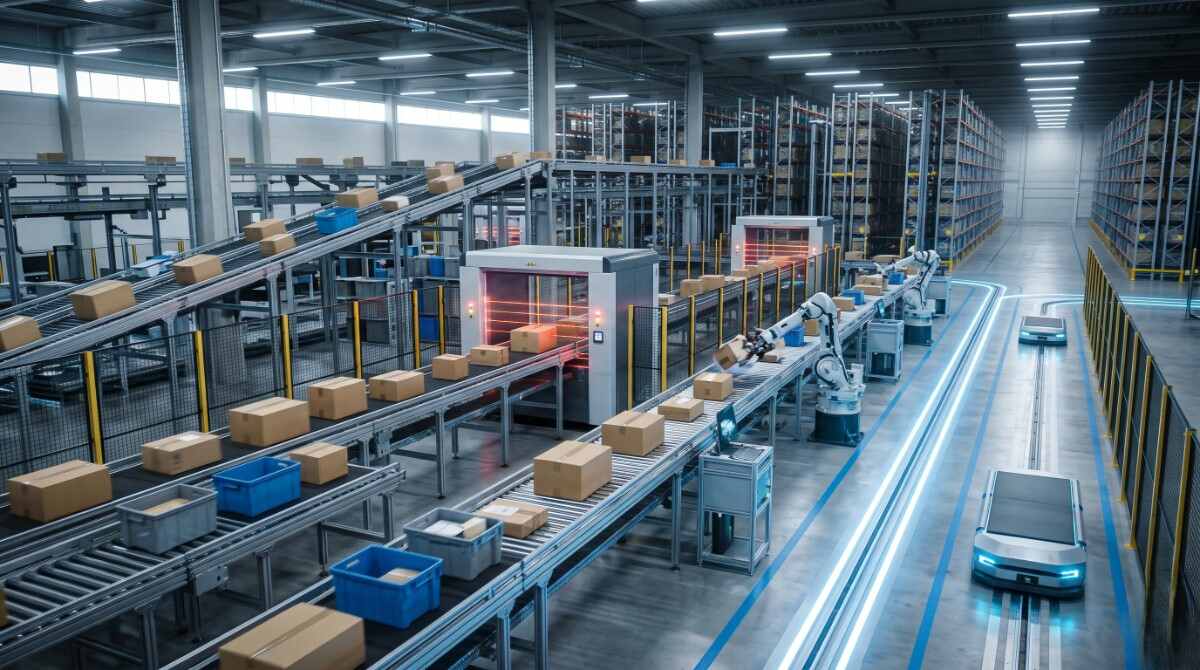
Reverse logistics automation costs are further curtailed by the use of AI-based fraud screening. These systems can identify patterns of abusive behavior across different retailers and block high-risk return requests before they are even approved. In the warehouse, automated inspection stations can verify that the item in the box matches the original purchase and that it has not been tampered with. This reduces the time and cost associated with manual dispute resolution and ensures that only legitimate returns are processed.
- Consolidated shipping via “Return Bars” can reduce the cost per return by up to 40 percent.
- Automated restock-to-shelf systems ensure that returned goods are available for resale within 24 hours.
- Detailed returns analytics help retailers identify product quality issues and reduce future return rates.
The Role of Sustainable Packaging in Returns
To address the waste generated by high return volumes, many logistics hubs are integrating circular packaging system logistics into their reverse operations to replace single-use shipping materials The environmental impact of returns is a major concern for both consumers and corporations. Every return represents a second journey for the product and often involves a new set of single-use packaging. To address this, many logistics hubs are integrating circular packaging system logistics into their reverse operations. By using reusable totes and shipping containers that can be easily cleaned and returned to the forward supply chain, retailers can significantly reduce the amount of waste generated by the returns process.
This closed-loop approach is particularly effective for B2B returns and high-frequency retail loops. When a customer drops off an item at a “Return Bar,” it is often placed into a reusable crate with other returns. These crates are then moved to a processing center, emptied, and sent back to the drop-off point. This eliminates the need for thousands of individual cardboard boxes and plastic mailers, contributing to the organization’s overall sustainability goals.
Future Outlook for Reverse Logistics
As we look toward 2026 and 2027, the focus will be on the recommerce market, the resale of returned and refurbished goods. Automation is making it easier for retailers to grade, photograph, and list returned items on secondary marketplaces like eBay or specialized resale platforms. This creates a new revenue stream from inventory that would previously have been liquidated for cents on the dollar.
The continued investment in reverse logistics technology suggests that the industry is finally giving returns the attention they deserve. Transport Advancement believes that by applying reverse logistics automation with AI to make smarter decisions, retailers are not just cutting costs. they are building a more sustainable and customer-friendly supply chain. The return is no longer the end of the customer journey. in the age of circular commerce, it is often just the beginning of a product’s next lifecycle.
References
- “From Cost Center to Competitive Advantage: Reverse Logistics” – McKinsey
- “2025 Retail Returns Landscape Report” – NRF and Happy Returns
- “Global Reverse Logistics Market Size and Forecast” – Grand View Research
- “The State of Fraud and Returns 2025” – Signifyd
- “DHL ReTurn Network Launch Announcement” – DHL Group
- “Optoro Return Path AI Software Update” – Optoro
